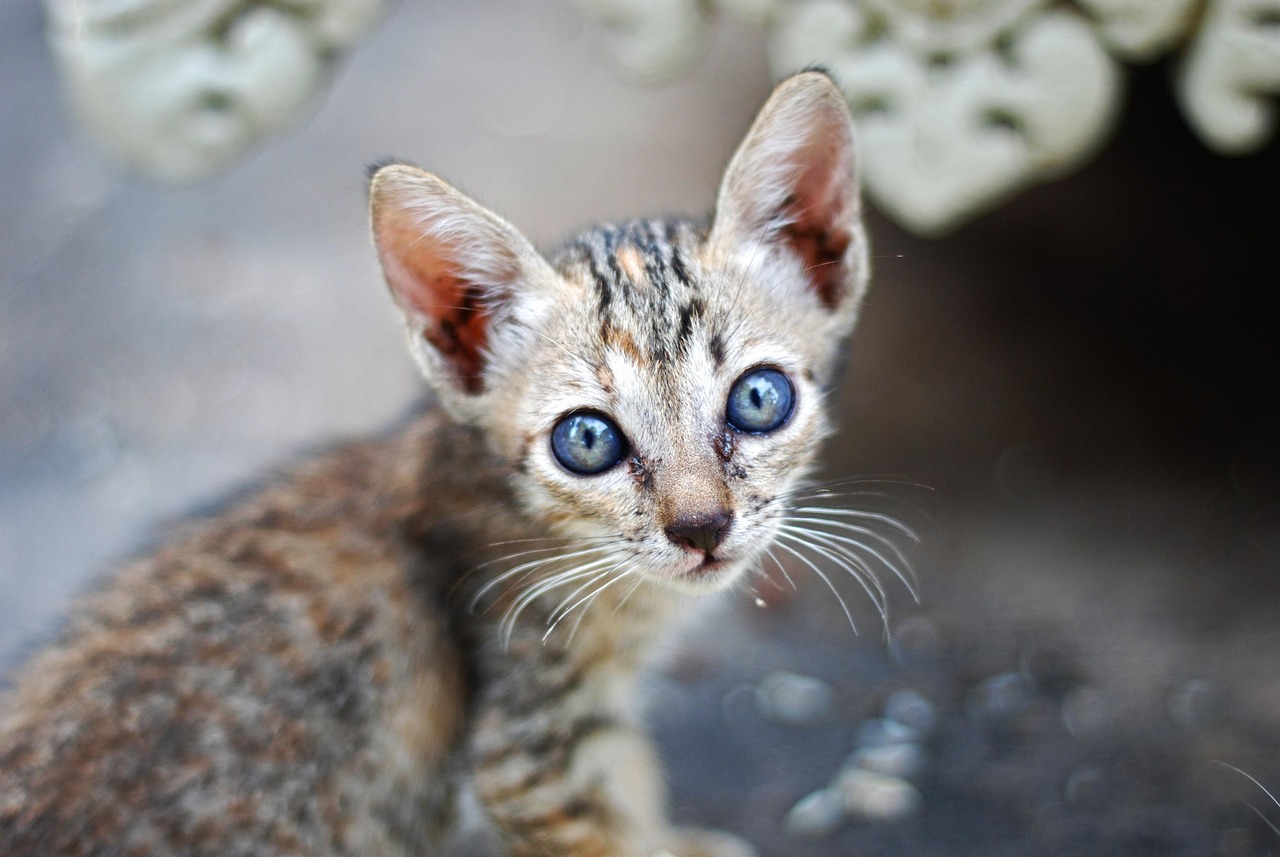

Handling Feral Cats: Challenges and Solutions
Feral cats present an array of challenges for rescue organizations and communities. Understanding their behaviors is critical for effective management and humane treatment. Unlike domestic cats, feral felines often exhibit wild instincts, making them difficult to approach. Their wariness of human interaction requires a tactful approach to provide aid. Communities must create awareness about the feline crisis while also educating the public on how to safely interact with these cats. Another hurdle is the limited financial resources available for rescuing and managing these animals. Fundraising efforts can be tricky, but allocating funds towards targeted sterilization programs is crucial for reducing feral cat populations. Volunteers play a pivotal role in conducting traps, neuter, and release (TNR) practices, which help control populations. Proper training ensures volunteers are well equipped to handle feral cats humanely. Additionally, it’s important for programs to establish partnerships with local veterinarians to facilitate affordable spaying and neutering. The overall goal should focus on decreasing homelessness among feral cats while maintaining community harmony. With education, funding, and compassion, feral cat management can improve, benefiting both the felines and their human neighbors.
The next challenge involves community engagement and support. Implementing feral cat programs requires open dialogue with residents. Many communities have concerns about the health implications feral cats can pose. It’s vital to educate the public about misinformation regarding rabies and disease transmission. One effective strategy is to host workshops and informational sessions, where experts can share their knowledge. Building a coalition of supporters including animal lovers, local businesses, and veterinarians can create a robust network advocating for humane treatment. Many individuals may be willing to volunteer their time or resources once they are properly informed. Funding is another vital area requiring community backing. Successful campaigns can lead to donations that support TNR, shelter operations, and veterinary care. Collaborating with local governments can aid in gaining access to community resources and potential grants. Promoting the benefits of TNR and the role of spaying/neutering can foster greater acceptance of feral cat management. Through ambitious outreach efforts, communities can rally together to create solutions, demonstrating that compassion toward these animals can coexist with public health priorities. Together, fostering this understanding is key in promoting sustainable solutions.
Challenges in Managing Feral Cats
Another significant challenge is the potential for overpopulation if TNR programs are not effectively implemented. Feral cats can reproduce quickly, leading to escalating numbers of stray felines left to fend for themselves. Communities may face backlash from residents if feral cat colonies become too large, leading to conflicts. Establishing successful TNR efforts is crucial for managing these populations sustainably. A detailed plan often includes regular monitoring of colonies to track health and reproduction rates. Engaging with volunteers to perform regular feeding and care is also important. In addition, it’s integral to advocate for socialization programs that allow feral kittens to be raised in a domestic environment. Young feral cats have a higher chance of adapting to home life if rescued early. By fostering positive relationships with feral kittens, rescue organizations can provide homes to these young felines, alleviating future overpopulation issues. Proactive measures, such as educating the public about spaying and neutering, can also create a long-term impact, enabling communities to manage feral populations effectively, thus fostering coexistence. Parts of successful programs highlight the need for ongoing commitment and enthusiasm from volunteers and community members.
Building a safe environment for feral cats is another complex challenge faced. Many feral cats rely on outdoor spaces for survival, often encountering dangers from traffic, predators, or harsh weather. Creating designated feeding stations equipped with shelters can offer protection and consistent resources for these cats. Feeding stations not only provide food but also help monitor the health of local populations. By creating safe spaces, communities can reduce the risk of injury and improve the overall wellbeing of feral cats. Furthermore, organizing community informant groups can assist citizens in reporting and tracking the health and wellbeing of stray cats in their neighborhoods. This helps to create an ongoing network of care while actively engaging the community. Collaboration between animal welfare organizations and local residents can help establish these feeding stations effectively. These initiatives can lead to greater acceptance and support for managing feral cat populations. Having safe spaces for feral cats ultimately encourages healthier conditions and mitigates conflict with wildlife. By investing in infrastructure that supports these animals, communities foster not only the cats’ welfare but also promote human compassion and responsibility.
Benefits of Trap-Neuter-Return Programs
Implementing TNR programs offers significant benefits in managing feral cat populations effectively. One of the most notable advantages is the reduction of reproduction rates, leading to smaller population numbers over time. TNR practices focus on humanely trapping feral cats, spaying or neutering them, and then returning them to their environments. This process prevents litters from being born, which can otherwise exacerbate the issue of overpopulation. Since the cats are often returned to familiar territories, they have a higher chance of thriving. Moreover, TNR initiatives often lead to healthier cat colonies overall, reducing territorial disputes and aggressive behaviors among ferals. Studies reveal that communities utilizing TNR experience fewer complaints regarding noise, behaviors, or disturbances associated with feral cats. Adopting these methods fosters cooperation between residents and feral cat advocates, facilitating open lines of communication. Education about the benefits of TNR and the joy of fostering can engage community members in the solution. In the long run, these programs can lead to improved public perception of feral cats while enhancing their lives and reducing the human–animal conflict dramatically.
Overcoming stigma associated with feral cats can also lead to fruitful solutions. Misconceptions about these animals often result in fear and avoidance. Promoting positive stories about feral cats can alter public perception and encourage compassion. Various organizations have illustrated how ferals can coexist peacefully with residents, proving the importance of normalizing their presence. Public campaigns showcasing successful TNR stories, photographs of transformed feral members of the community, and testimonials can shift the narrative on feral cats. Creating community engagement events such as “Adopt a Feral” days can also encourage citizens to embrace feline inhabitants positively. Educational programs highlighting the differences between domestic and feral cats are critical for fostering better understanding. By involving schools, community centers, and local businesses, options for outreach can expand the audience. Facilitating discussions surrounding feral cats can also create a more compassionate atmosphere. This not only aids in reducing roadblocks when implementing rescue programs but also serves to enhance the lives of these animals. Understanding their needs and fostering positive relationships can prevent harmful stereotypes, as compassion leads the way to change.
Long-term Solutions to Cat Overpopulation
Finally, investing in long-term solutions fosters sustainability in feral cat management. Implementing educational initiatives promotes responsible pet ownership as a foundational step. Encouraging spaying and neutering among domestic cat owners decreases the likelihood of abandonment or uncontrolled breeding. Local governments can implement licensing programs that mandate sterilization, creating incentives for pet owners. Establishing outreach initiatives that provide resources on affordable veterinary care can ensure those in low-income areas receive necessary services. Collaborations with local shelters can facilitate adoption programs for potential pets, diverting focus from feral populations. Fostering partnerships with local businesses may lead to funding or resources for further TNR projects. Additionally, tracking data on feral cat populations can inform future actions. By regularly assessing the number of cats and their health, communities stay prepared for shifts in population dynamics. Commitment to ongoing community-based programs ultimately helps in sustaining these efforts. Communities must work together, engaging citizens from various backgrounds and demographics to change the narrative around feral cats positively. Together, these comprehensive and sustainable approaches create an environment where both feral cats and human residents thrive, promoting harmony.
Ultimately, handling feral cats requires a multifaceted approach that relies on understanding, compassion, and community involvement. Each challenge, whether it’s the stigma about feral cats or the complexity of managing their populations, provides an opportunity for education and outreach. The overall objective remains focused on reducing overpopulation while enhancing the welfare of these animals. By pursuing humane solutions such as TNR, creating safe environments, engaging with communities, and building partnerships, long-term solutions become achievable. Every small effort contributes to the broader goal of caring for and respecting the lives of feral cats. A society that recognizes their challenges demonstrates measurable growth in compassion. Communities that take proactive steps will inspire others to implement similar programs, creating a ripple effect of awareness and responsibility. In understanding feral cats, society can shift perceptions, paving the way for change. Ultimately, fostering healthier relationships between humans and animals remains vital to cultivating empathy. It will provide greater awareness of community needs while ensuring no cat is left to struggle alone in the shadows. Through this collective journey, a brighter future for both feral cats and residents can emerge.