
How to Build a Search and Rescue Training Course at Home
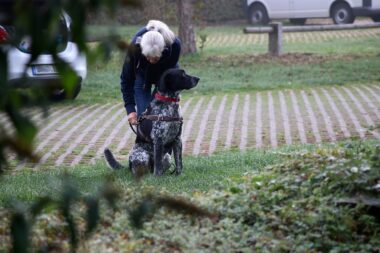
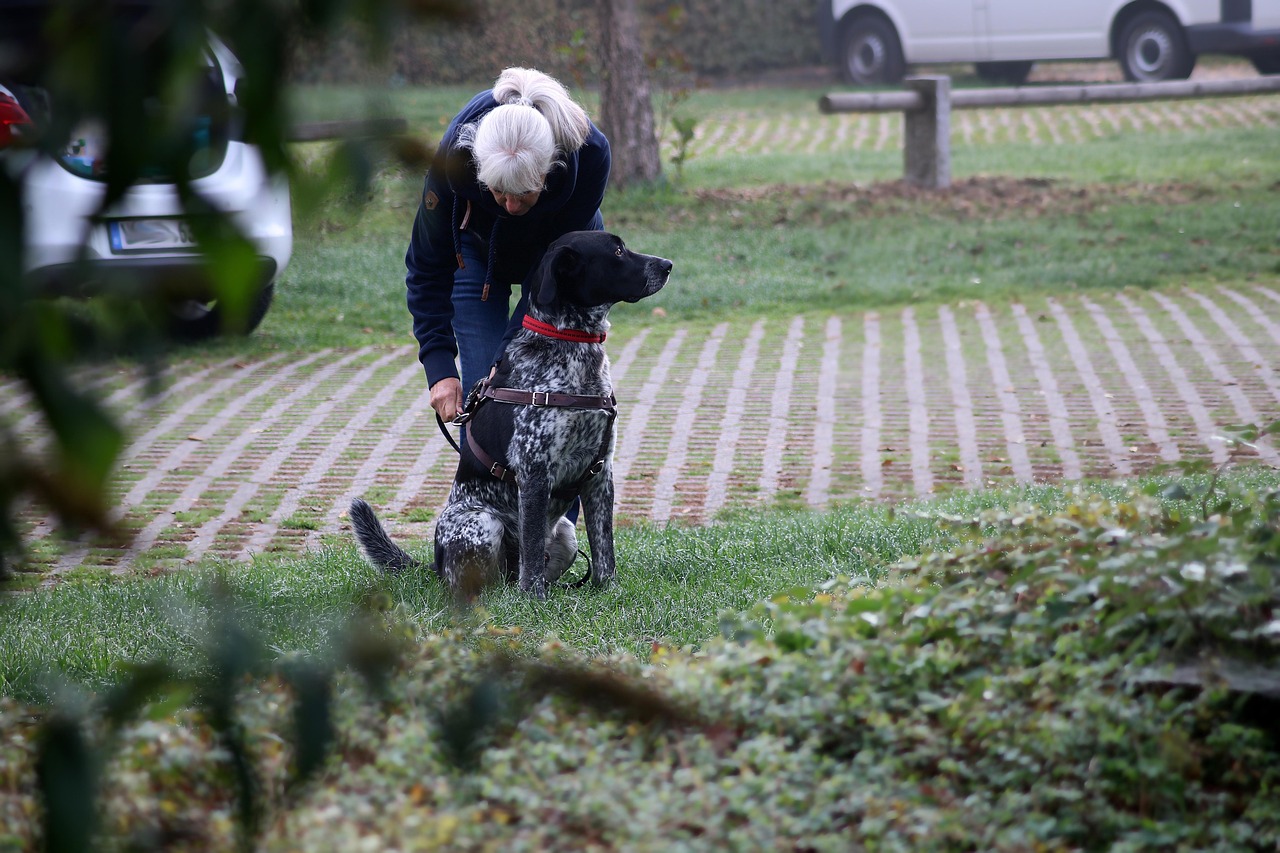
Creating a search and rescue training course at home requires careful planning and a commitment to safety. Start by identifying the goals of your training. Will it focus on tracking, scent work, or a combination? This will help formulate an effective curriculum. Design an area in your backyard or a park where you can safely conduct exercises. It should be spacious and devoid of distractions. Ensure you have the necessary materials, such as training dummies, scent articles, or thanks to the equipment to create simulated search scenarios. Building a good relationship with your dog is vital, as trust enhances learning. Begin with basic obedience commands, ensuring your dog understands and performs them reliably. Use positive reinforcement techniques, including treats and praise. As they excel, gradually introduce them to more complex tasks. Incorporate various training methods to keep activities engaging and stimulating. Additionally, consider joining local training clubs or online communities where you can exchange ideas and receive helpful feedback. Finally, document your progress for both you and your dog to keep motivation high.
Once you’ve laid the groundwork for your search and rescue training course at home, it’s time to establish a structured training schedule. Consistency is crucial for effective learning. Dedicate specific days and times for training sessions, aiming for at least three sessions per week. Each session should last for about 30 to 60 minutes, depending on your dog’s attention span and energy levels. Additionally, always start with a warm-up. This can be simple obedience drills that reinforce commands and strengthen your bond. Afterward, progress to more challenging drills. Introducing variety will keep your dog engaged and eager to learn. Use a mixture of indoor and outdoor spaces to help your dog adapt to different environments. Consider distractions like noisy areas or unfamiliar objects to create real-life scenarios. It’s essential to evaluate your training results regularly. Notice how your dog performs each task over time, making adjustments as necessary. If your dog struggles with a specific element, spend extra time practicing that area. Keeping a log of daily activities will help you track improvements and adapt the training program for better results.
Incorporating Scent Work
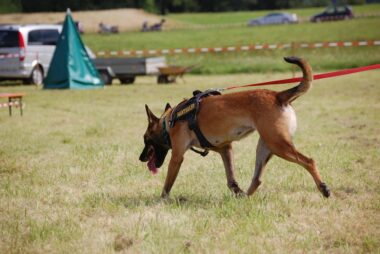
Integrating scent work into your training program is fundamental for effective search and rescue courses. Scent detection skills are crucial for dogs in locating missing persons. Begin by introducing your dog to different scents, starting with familiar items like your clothes or favorite toys. Use positive reinforcement to encourage your dog to focus on these scents. Gradually, you can introduce more complex scent trails. Use small pieces of food or scent articles placed around your training area. Let your dog sniff the item first before asking them to locate it. Once they succeed, increase the distance and the difficulty of the search areas. In time, familiarize your dog with various scents, including human scents. You can achieve this through scent kits available in pet stores or online. Tracking exercises can also be performed via “scent trails.” Lay a trail with specific scent articles, leading to a reward at the end. Consistent practice will build their confidence, enabling your dog to perform effectively under pressure. Ensuring diversity in training scenarios can help them become exceptional working dogs in search and rescue missions.
As you progress with search and rescue training at home, always ensure your dog is up-to-date with vaccinations and preventive care. This consideration enables you to take your training outside into different environments safely. Understanding canine first-aid is also advantageous for any trainer, as administering immediate care during injuries or emergencies can save lives. Consider attending workshops or courses dedicated to canine first-aid skills. Your training area should also accommodate the need for safety gear. Use appropriate safety equipment like vests for visibility, especially in outdoor training. If utilizing water-based scenarios, ensure your dog wears a life jacket. Incorporating these precautions will help maintain a safe training environment for everyone involved. Plus, it enhances your dog’s ability to perform safely during actual rescues. Encourage the inclusion of diverse landscapes and weather conditions in training exercises to further refine your skills. This variety not only keeps training sessions exciting but prepares both you and your dog for real-life challenges. Also, remember to socialize regularly, as it builds confidence and teamwork dynamics essential in search and rescue operations.
Building Endurance and Agility
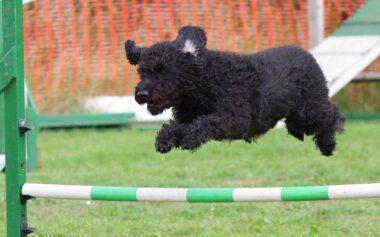
Search and rescue dogs require impressive endurance and agility to cover vast terrains and navigate challenging environments. To develop these skills, include specific exercises aimed at enhancing your dog’s physical fitness in your training schedule. Start by incorporating basic agility courses right in your backyard or take advantage of local dog parks. Set up obstacles like jumps or tunnels to encourage your dog to navigate through various challenges. Introduce different surfaces, including sand, grass, or uneven trails, to build confidence and adaptability. Long-distance runs can be gradually introduced once your dog shows comfort and stamina. It’s essential to take rests during training sessions to prevent fatigue or injury. Use leashed and off-leash activities to develop effective training. Practicing retrieval games can enhance your dog’s focus while improving physical agility. Regular evaluation of your dog’s physical condition is vital as well. Keep an eye on changes in weight or any signs of soreness, helping you to adjust your routine in response. This balanced approach will lead to a well-conditioned and immensely capable search and rescue partner.
In addition to physical exercises aimed at improving your dog’s fitness, mental stimulation is equally essential for a well-rounded search and rescue training course. Engaging your dog’s mind through various problem-solving activities enhances their focus and resilience in critical situations. Consider puzzle toys that challenge their ability to find rewards. This enhances their problem-solving skills essential during actual searches. Incorporating scent games, where you hide treats or toys around the house or yard, can greatly benefit their focus. Another approach includes teaching them new tricks or commands, which can help to keep them mentally stimulated. You can incorporate these elements into daily routines so it feels less like training and more like play. Remember, the bond you share with your dog is enhanced through activities that promote teamwork and trust. Reward your dog often with treats or verbal praise to strengthen their internal motivation. Participate in training workshops that discuss engaging exercises too. Socializing with other dogs during training will also improve your dog’s adaptability and confidence in group settings, important for real-life search and rescue scenarios.
Evaluating Progress and Continuing Education
As you complete certain phases of your search and rescue training course, take time for thorough evaluation. This involves assessing your dog’s skills in various scenarios to determine where they excel and where they may need more practice. Keep a detailed log highlighting specific training sessions and notes on your dog’s performance. Regular evaluations will allow you to track improvement over time and adjust your training methods as needed. Besides personal study, consider enrolling your dog in formal training classes specializing in search and rescue work. This formal education provides additional insights and expert guidance. Participation in workshops and seminars related to canine training and rescue offers opportunities to learn new techniques and connect with experienced trainers. Networking within the search and rescue community can also provide valuable resources. Additionally, using online platforms and forums is an excellent way to gain insights and share experiences. Continuous education is vital to maintain and improve skills. This ensures you and your dog are adequately prepared for any rescue situation. Your dedication to learning promotes a deeper understanding of canine behavior and enhances their performance in searches.
In conclusion, building a search and rescue training course at home requires patience, creativity, and ongoing commitment to improvement. Through mindful incorporation of essential elements like physical training, scent work, and mental exercises, your relationship with your dog will deepen significantly. Establish a structured training program that incorporates regular evaluation and opportunities for socialization. Seek out educational resources within your community and online to continuously refine your skills and knowledge. Remember to keep training sessions fun, engaging, and rewarding for your dog; this ensures they remain enthusiastic about their learning journey. With consistency and dedication, your dog can become an effective partner in search and rescue efforts. Exploring diverse settings for training will prepare you both for real-life challenges while building reliable instincts. Make sure to consider your dog’s health, both physical and mental, at every stage of your training. Celebrate both small milestones and significant achievements as you progress together. Ultimately, your commitment to fostering a supportive and enriching environment will lead to unforgettable experiences. Your faithful canine companion is capable of becoming a remarkable search and rescue partner if nurtured through tailored training efforts.