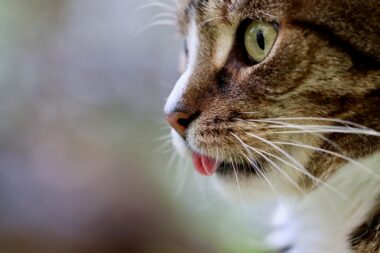

Future Trends in Pricing Models for Cat Insurance
As the world evolves, the cat insurance industry is preparing for innovative pricing models that may significantly impact pet owners. Historically, prices were largely determined by straightforward criteria such as breed, age, and location. However, the emergence of big data analytics has revolutionized this approach. Insurers are now harnessing real-time data on health and behavior, allowing for more personalized premiums. This individualized assessment of risk can lead to better pricing accuracy for pet owners. Additionally, the integration of technology like telemedicine is streamlining the claims process and enhancing customer satisfaction. Insurers may also start offering dynamic pricing based on a cat’s specific health conditions and preventive care maintained by the owner. This forward-looking model not only incentivizes responsible pet ownership but also promotes a proactive stance towards health management. As such, risk mitigation strategies may become more prevalent. Cat insurance will start reflecting these trends, instilling greater confidence in potential policyholders. With more engagement from pet owners, their awareness and understanding of insurance products will increase, paving the way for a more informed market and ultimately leading to a healthier population of pets.
Emphasis on Preventive Care Discounts
One of the prominent trends expected in cat insurance pricing models is an increase in preventive care discounts. Pet owners are becoming more aware of the importance of regular health checks and vaccinations. Insurers recognize that promoting preventive care can result in reduced claim costs over time. Engaging customers through rewards, such as discounts on premiums for maintaining regular veterinary visits, fosters a culture of proactive health management among pet owners. This trend also aligns with a broader shift in personal healthcare towards prevention, thereby establishing a familiar narrative for owners. Additionally, as more pet health data becomes available, insurers will be able to assess risk more effectively and reward responsible behavior. By offering discounts based on the maintenance of preventative measures, insurers can create a win-win scenario; pet owners save money, and insurers benefit from reduced overall risk. Those who adopt a preventive approach also provide a solid foundation for long-term relationships between insured parties and providers. This evolving dynamic promises to pave the way for a more sustainable and mutually beneficial future within the cat insurance arena.
Innovation in technology is significantly impacting the way insurance pricing models for cats are developing. The utilization of artificial intelligence (AI) serves as a powerful tool in redefining how data is interpreted. AI algorithms can process vast amounts of information quickly, identifying trends and patterns more readily than manual methods. Such advancements permit insurers to tailor policies more effectively. With AI predictive analytics, customizable options for pet insurance can be developed. Consequently, pet owners may select flexible plans that suit their unique needs and budget. In parallel, the emergence of wearable devices for cats holds great promise. These devices track daily activity, health metrics, and behavioral patterns. By integrating this data into insurance pricing, insurers can better gauge overall health risks. This drive for precision in cat insurance pricing aims to facilitate a more comprehensive understanding of each policyholder. Furthermore, it encourages pet owners to invest in their cat’s well-being actively. The combination of AI and wearables marks a significant shift towards integrating technology with pet care, directly influencing how insurance products are formulated and delivered to meet customer expectations.
Shifting Customer Expectations
Today’s consumers possess heightened expectations concerning transparency and customer service within the cat insurance sector. Modern pet owners demand clear information regarding policy terms, exclusions, and conditions before making a decision. Insurers must adapt to these changing preferences to remain competitive in a crowded marketplace. Additionally, online platforms and social media presence are paramount for young pet owners, as they predominantly seek information and engage with brands online. The traditional methods of outreach are becoming less effective, contributing to a need for insurers to establish and maintain an approachable online brand identity. Furthermore, the growing demand for instant claims processing indicates the need for automation and modernization in this aspect of service delivery. The feedback loop from these interactions can help inform insurers about evolving trends and expectations from their consumers. This information is crucial for adjusting product offerings and pricing strategies to more efficiently cater to customer needs. To keep pace with these shifts, pet insurers must prioritize technological investment and innovative service paradigms, underlining their commitment to a higher standard of customer care and satisfaction.
Another emerging trend in the cat insurance industry involves the rise of subscription-based models. This approach aligns with the contemporary preferences of consumers seeking convenience and flexibility in payment structures. Subscription models offer predictable monthly payments, making it easier for pet owners to budget their expenses, particularly concerning unexpected health emergencies. This format allows policyholders to spread costs over time rather than burdening them with a large annual payment. Moreover, these plans can incorporate tiered levels of coverage, allowing owners to select options that best suit their financial capabilities. Such customization is appealing and enhances customer satisfaction by offering value for money. Additionally, this approach fosters loyalty, promoting sustained relationships between pet owners and insurance providers. Another positive aspect is that subscription models can facilitate a more straightforward onboarding process, showcasing variations in cover and premiums effortlessly. These features make it easier for consumers to choose the right plan without feeling overwhelmed. To capitalize on this trend, cat insurance companies must ensure that their subscription offerings are transparent, providing reassuring information about contract terms and conditions for potential customers.
Collaboration with Veterinary Practices
An interesting trend gaining traction is the collaboration between insurance companies and veterinary practices. This partnership fosters a seamless experience for cat owners, making healthcare management more efficient. When insurers work closely with veterinarians, it allows for better integration of care and more relevant pricing models. This collaboration can result in reduced friction during claim submissions, as veterinary practices can facilitate direct claims processes, removing the need for extra paperwork for pet owners. Furthermore, veterinarians can play an essential advisory role in helping policyholders choose insurance coverage that adequately addresses their specific needs. This partnership benefits not only pet owners but also strengthens the bond between providers, enhancing overall satisfaction with the services rendered. Additionally, sharing of health information between insurers and veterinary professionals allows for improved risk assessments, contributing to better pricing strategies tailored to individual cats. As this trend grows, it reflects a commitment to ensuring the health and well-being of pets, highlighting the importance of collective efforts among stakeholders in the cat insurance space. This collaborative approach signifies a future focused on value-driven health management.
Lastly, behavioral pricing models are emerging as a significant trend in the cat insurance sector. These models take into account not only the health risks associated with certain breeds but also the behavioral tendencies exhibited by individual cats. Understanding these behavioral patterns can lead to a more nuanced risk assessment. For instance, insurance premiums could vary based on lifestyle factors such as indoor versus outdoor living conditions or an owner’s involvement in training and socialization. By integrating behavior into pricing models, insurers can incentivize owners to foster positive behaviors and lifestyles in their pets while accurately reflecting the associated risks. This innovative approach encourages responsible pet ownership and enhances the well-being of cats. As more pet owners realize the significance of their cat’s behavior on health outcomes, this trend may gain momentum. Insurers will need to educate customers about these developments to ensure broad acceptance. The adaptability in pricing approaches indicates a more comprehensive understanding of pet health, leading to enhanced policy offerings tailored to the reality of a cat’s life. This shift anticipates a more engaged customer base that is informed and encouraged to act in their pet’s best interest.