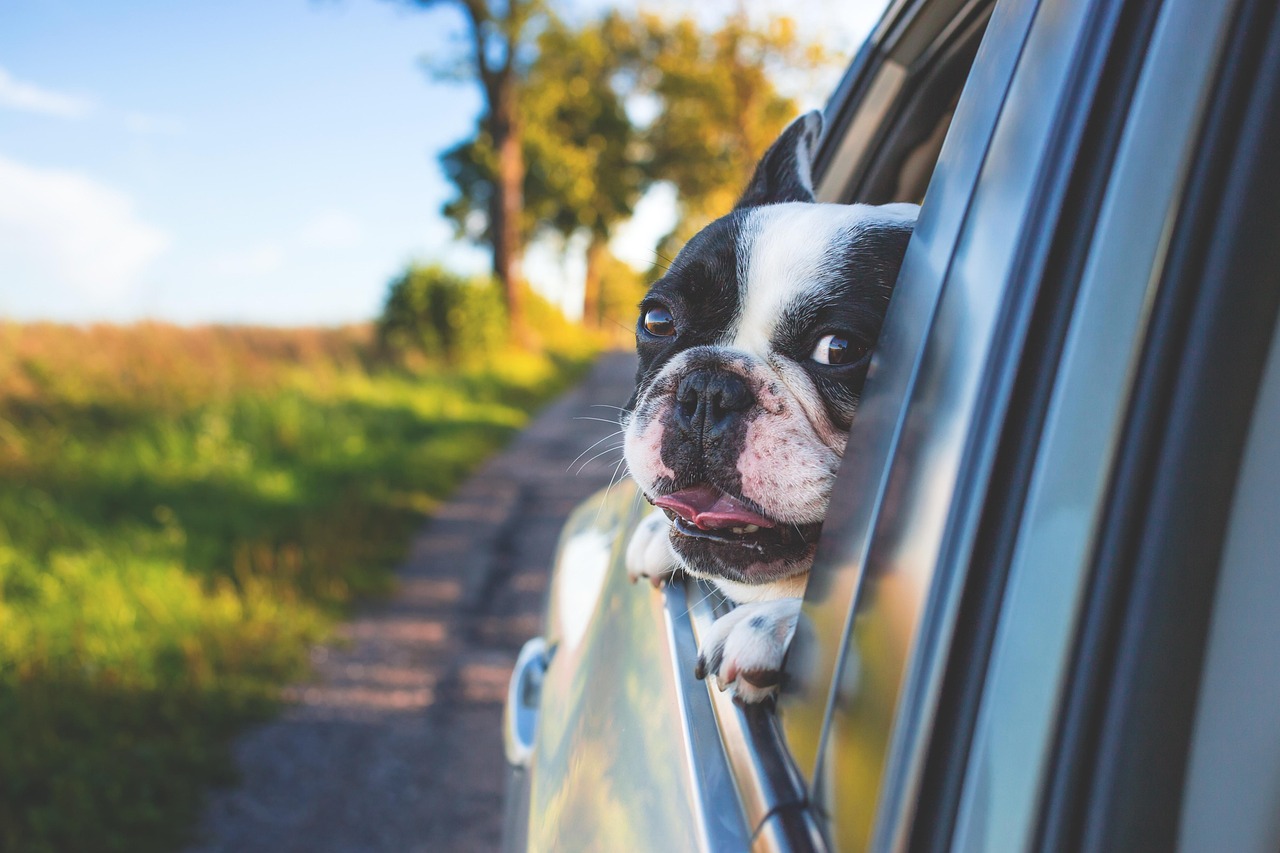

The Role of Exercise in Reducing Travel Stress for Dogs
When planning a trip with your furry friend, it is essential to consider how travel can impact your dog’s emotional state. Dogs can experience anxiety due to unfamiliar environments, long travel times, and lack of routine. Exercise plays a vital role in mitigating these stressors, helping to ground your dog, and providing a sense of stability. Regular physical activity can trigger the release of endorphins, promoting relaxation. Keeping your dog physically active before and during your trip can ensure a smoother travel experience. Take a long walk or engage in a game of fetch prior to hopping into the car. Additionally, it’s important to provide mental stimulation, such as puzzle toys, to keep your dog engaged. If your dog tends to get restless, consider making frequent stops for brief outings. Here are some tips for ensuring your dog gets enough exercise before and during your travels. Always have water on hand, and create a schedule for exercise breaks. Structure your travel itinerary to allow for flexibility so you can meet your dog’s needs. After all, a tired dog is a happy dog, and that leads to enjoyable travels.
When heading out on a long trip, consider how you can prepare your dog both mentally and physically. If your dog is accustomed to a routine, travel can disrupt this, leading to anxiety. Regular exercise can help maintain this routine as closely as possible. Make it a point to stick to familiar exercises while on the road to provide stability. Dogs thrive on predictability. For example, continue morning jogs or evening walks in the new destination. This consistency can help bridge the change in environment, relieving stress levels. A tired dog is less likely to exhibit anxious behaviors, and they will be more adaptable to new situations. Don’t forget hydration and breaks during travel; both are key to maintaining energy levels. This routine can mean visiting parks or areas where your dog can run and play freely. Engage them with toys or training exercises to keep their brain active and distracted from potential stressors associated with traveling. A little upfront planning can create countless benefits, including mental well-being during those travel days. Always keep your dog’s temperament in mind when making travel plans; balance is crucial, ensuring comfort and stability through exercise and engagement.
Understanding Your Dog’s Needs
Each dog is different when it comes to travel preferences and stress management. Their breed, physical condition, and past experiences can greatly affect their responses during trips. Some dogs thrive on adventure, while others may feel fearful in unfamiliar territories. Therefore, understanding your dog’s unique needs is paramount in reducing travel stress. Before embarking on your journey, observe how your dog generally copes with change. Incorporate exercise tailored to their specific needs, such as longer walks for energetic breeds and low-impact activities for older or injured dogs. Familiarizing your dog with the travel environment prior to departure can lessen fears. Consider taking shorter car trips before the actual travel to get them used to being in a vehicle. By understanding their triggers for anxiety, you can provide better comfort during stressful times. If they tend to become anxious, pairing their favorite toy or blanket with exercise can be a soothing tactic. Create a positive environment by using praise during and afterwards. Adjusting exercise intervals to fit your dog’s energy levels will maximize relaxation during travels, proven to enhance the experience for both of you.
Maintaining your dog’s energy levels through exercise can impart a sense of security for both of you, creating a trusting bond during travel. Encouraging exploration during walks, allowing them to sniff, and interact safely with various surroundings can boost confidence. This movement can transform potential anxiety into curiosity and excitement. Developing a travel routine where you incorporate exercise enables your dog to have a proactive outlet for nervous energy. Before and after reaching your destination, take regular walks to adjust. Sometimes it’s important to set realistic expectations; this means not every trip will go perfectly. However, having a well-exercised dog lays the groundwork for resiliency in the face of surprises. Consistency in providing adequate physical activity reinforces positive associations with travel, thereby facilitating better behavior. Always reward good behavior with treats or encouraging words during your journey. Pay attention to your dog’s behaviors and adjust exercise intensity based on their comfort level; avoiding over-exertion is crucial. Engaging in playtime as a part of your travel routine fosters a stress-free mindset, allowing your dog to relax when it really matters.
Creating a Structured Travel Plan
Structuring your travel itinerary to include exercises is a proactive approach to managing travel stress for dogs. Before you hit the road, plan for exercise stops at pet-friendly parks and facilities. This gives your dog ample opportunity to stretch, wander, and expend pent-up energy throughout the journey. A structured plan involves scheduling breaks every few hours or whenever you sense your dog needs to move about. Make it a routine – use these breaks for walks that can also double as bathroom stops. Many destinations offer dog-friendly trails and parks, which serve as ideal spots for both exercise and relaxation. Additionally, consider utilizing travel aids like harnesses or seat belts that can keep your dog safe while allowing for comfortable movement. After arrival, assess your surroundings to determine safe areas for an invigorating walk or run; consistency with exercise post-travel is just as important as during. Taking time for these activities reduces tension, fosters exploration, and can excite your dog about what’s to come. This way, even during travel, your dog is rewarded with enjoyable experiences that ultimately contribute to an enriching journey.
In conclusion, the role of exercise in minimizing travel stress for dogs cannot be overstated. A well-exercised dog is generally more relaxed and adaptable, leading to more enjoyable trips for both of you. Prior auditing of your dog’s behavior before travel is essential, as it permits you to tailor exercise habits that suit their specific needs. As you integrate physical activity consistently, always keep an eye on their comfort level. Adjusting your activities based on their responses can be very beneficial. Consider trying new activities together, letting your dog explore fun and stimulating places while fostering a strong bond. Traveling with a well-prepared dog leads to better adventures and memories. Moreover, planning stays at pet-friendly accommodations with local parks ensures plenty of opportunities for fun exercise. Always remember to celebrate small victories, like overcoming anxious moments with a brief play session. Finally, ensure your dog feels supported through praise and affection after stressful instances. Creating an environment where exercise and comfort coalesce brings joy to traveling moments that, in turn, cultivate stronger relationships and happy adventures ahead.
Additional Tips for Travel Success
To further enhance your travel success, consider investing in travel products specifically designed for dogs. Items such as portable food and water bowls, non-slip travel mats, and canine seatbelts yield comfort and convenience. Moreover, utilizing calming solutions like anxiety wraps can help some dogs feel securely wrapped, reducing stress levels in new environments. Having familiar items such as their favorite blanket or bed provides a comforting scent, ideal for creating a safe space. Additionally, promoting overall wellness through regular vet check-ups ensures your dog is in good health before traveling. Don’t hesitate to consult with professionals for breed-specific advice on managing stress during travel. Also, plan your travel times wisely; avoiding peak hours can alleviate some stress associated with busy environments. As you wander from one destination to another, always be open to flexibility in plans, giving your dog time to adjust and recharge. Finally, always consider their dietary needs and plan meals considering travel breaks. With a little preparation, you can transform every trip into a rewarding experience, creating lasting memories and reinforcing the quality time spent together.
Traveling should be a joyous experience for both you and your furry companion. Understanding the essential role that exercise plays in reducing their stress will pave the way for healthier travel experiences. By staying proactive, engaging, and attentive to your dog’s needs, you both can enjoy the journey, leading to many fun-filled adventures. Remember, every trip is an opportunity to bond, learn, and have fun together. Your dog’s happiness and comfort come first, and prioritizing their exercise needs during travel is paramount. Embrace the challenges that travel presents, and remain flexible in your plans to accommodate their well-being. With proper planning and care, each travel experience can foster a harmonious atmosphere, leading to happier memories in the long run. Dogs thrive on routine yet enjoy exploring, fostering a balance between security and excitement. Successfully combining both elements enhances your travel itinerary, leading to joyful experiences. Be mindful of your surroundings, and ensure your dog remains safe and happy at all times. As you both venture into the world, cherish these precious moments while valuing the joy your dog brings to all adventures.