
Effective Grooming Training Techniques for Dogs
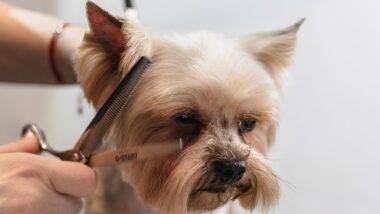
Grooming your dog isn’t just about maintaining its physical appearance; it’s a critical aspect of keeping your pet healthy and happy. To start, familiarize your dog with grooming tools, such as brushes and combs, by letting them sniff and explore these objects. Gradually introduce the brushing process, so that your dog becomes accustomed to the sensations involved. Be gentle and patient, offering treats like small bits of kibble or their favorite toys to create positive associations. Additionally, make grooming sessions short and enjoyable. You can use influential commands, such as ‘sit’ and ‘stay,’ to help your dog remain calm. Frequent praise and rewards during these sessions enhance their willingness to cooperate. Whenever you begin cutting nails or cleaning the ears, provide consistent commands during the process. This way, your dog learns to expect certain activities as part of a routine. Remember to gradually increase the duration of grooming sessions as your dog becomes more comfortable, always emphasizing a gentle approach. Develop a schedule that suits both your timetable and your pup’s comfort level to ensure grooming remains a regular and stress-free activity.
Understanding breed-specific grooming requirements is crucial for effective training. Certain dog breeds may require extensive grooming due to their coat type; for instance, long-haired breeds like Golden Retrievers need regular brushing to prevent mats and tangles. Conversely, short-haired breeds, such as Beagles, might only need occasional brushing for optimal health. You should research your specific dog’s needs, focusing on what grooming techniques will be most beneficial. Incorporate grooming practices early in a dog’s life to lay a solid foundation; puppies are more flexible during early exposures. Early grooming can help minimize behavioral issues and promote a cooperative temperament. Using the right tools for each breed is also vital; invest in quality brushes and combs suitable for your dog’s coat. Some owners find it helpful to observe professional groomers in action, as they can be an invaluable source of tips and techniques. Be sure to pay attention to how groomers handle dogs, keeping the process light-hearted while being efficient. Additionally, always keep a sharp eye on your pup’s comfort during these sessions; adjust your methods if you notice any signs of stress or anxiety.
Positive Reinforcement Techniques
Implementing positive reinforcement methods can greatly enhance your dog’s grooming experience. By rewarding your dog with treats, praise, or playtime immediately after successful grooming sessions, you’re establishing a more enjoyable association with the practice. During each grooming session, create small milestones and reward your dog incrementally as they exhibit desired behaviors, such as staying still or allowing you to brush their fur. Consistency is key; gradually increase the duration of each session, while continuously providing encouragement. Incorporate vocal praise, soft petting, or playtime with their favorite toy to reinforce positive behavior immediately. Furthermore, observe your dog’s body language for signs of stress or discomfort, and reciprocate with moments of guidance and kindness. If your dog reacts negatively, pause the grooming and redirect their attention with a toy or treat. Aim for an environment conducive to relaxation during grooming sessions. While you work, progress in a calm manner and make an effort to maintain a soothing tone of voice. To ensure your pup’s comfort, take breaks if necessary, allowing your dog to feel secure and understood throughout the process.
Incorporating commands during grooming sessions can streamline your training process. By employing basic commands such as ‘sit,’ ‘stay,’ and ‘down,’ dogs learn to associate these commands with specific grooming actions. Start with simple commands so your dog easily understands them while grooming. After initially introducing the commands, implement them consistently during each session, gradually reinforcing the behaviors with treats or toys. This also fosters important communication skills between you and your dog. Make sure grooming tools are also part of your command training; for instance, show them the brush before using it, helping your dog connect the tool to their grooming experience. If your dog demonstrates concerns when you reach for a particular tool, take time to engage with the tool without pressure. Create fun and positive experiences around each grooming tool, normalizing their presence in your dog’s environment. Furthermore, consider vocal cues in combination with hand signals to further provide clear communication during grooming. Over time, you will notice your dog responding more smoothly to these commands, as they realize the benefits associated with their cooperation during grooming.
Establishing a Grooming Routine
Establishing a grooming routine early on can significantly impact your dog’s behavior and comfort with grooming practices. Commit to incorporating grooming activities into your daily or weekly schedule to create a predictable environment for your pet. Dogs thrive on routine and predictability. When your dog begins to expect grooming as part of daily life, they become increasingly relaxed and cooperative. Consider starting grooming sessions after your dog has engaged in play or exercise, helping them burn off extra energy while making them more willing to participate. Additionally, identifying a consistent location for grooming sessions can also create a calming environment. Choose a quiet space, away from distractions, equipped with all necessary tools. Always ensure that your dog is properly positioned in a secure and comfortable spot; this can be on your lap or a low grooming table. Gradually increase both the frequency and the duration of grooming sessions as your dog becomes more accustomed to the process. Adapt and modify your routine as needed, ensuring it suits both your lifestyle and your dog’s comfort. Keep a cheerful attitude; this overall positivity will reciprocate to your pup, making grooming feel less of a chore and more an opportunity.
Regular grooming is essential for your dog’s health, preventing skin issues and matting. Brush your dog regularly based on their needs, e.g., daily brushing may be necessary for long-haired breeds while short-haired ones may require weekly sessions. During grooming, keep an eye out for any signs of potential health problems, such as lumps, irritation, or parasites. Regular inspections during grooming sessions allow for early detection, which is crucial to ensure timely treatment. Additionally, teaching your dog to tolerate handling of sensitive areas, such as paws or ears, is vital. When informing your dog about sensitive areas, remain calm and use positive reinforcement techniques to create a secure environment. Gradually desensitize your dog by performing gentle handling of these areas during every session. Initiating tooth-brushing routines can also be beneficial; exploring this practice opens the door to broader health discussions. To polish off your regular grooming sessions, engage in a play session or a walk to reward your dog further. Staying vigilant toward your dog’s health during grooming will foster confidence while empowering your dog to accept and enjoy grooming as a natural, healthy experience.
Conclusion: The Benefits of Good Grooming Practice
Adopting effective grooming techniques lays the groundwork for a strong bond between you and your dog. Remember, grooming is about more than just aesthetic appeal; it serves significant health benefits. By investing time in grooming your dog, you create a trusting relationship, ensuring your pet feels safe and secure. Moreover, good grooming practices can enhance your furry friend’s comfort level while raising their overall enjoyment of the grooming process. Regular grooming sessions also help reduce shedding in the home, minimizing allergens for both you and your pet. Additionally, the routine helps nurture your dog’s coat, contributing to a shiny appearance while minimizing tangles and mats. Grooming can also serve as an opportunity for bonding, allowing you to spend quality time together. Every positive interaction enhances trust, solidifying the relationship you share. Ultimately, with patience, consistency, and careful planning, you’ll not only maintain your dog’s coat but also support their overall well-being. Make grooming an expected activity; this investment transforms it into an enriching experience for both you and your beloved pet while solidifying a lifelong partnership built on love and trust.
Regardless of your dog’s breed or temperament, the teachings above can enhance your grooming routine. Remember to focus on creating consistent positive experiences that establish trust between you and your dog. Recognize the importance of investing time and patience, as it directly impacts your dog’s reactions to grooming sessions. With dedication, your dog can become accustomed to grooming practices and view them as a positive part of their life. By following these suggested techniques and adapting them to fit your pet’s unique needs, you are opening the door to successful grooming experiences. Continuously assess your dog’s comfort level and confidence throughout the process. It’s ok to modify your strategies if they seem overwhelmed or unwilling to participate. In some instances, seeking the assistance of a professional dog groomer can provide additional support, helping both you and your dog become more familiar with grooming practices. Using these combined efforts will not only create a more enjoyable experience but also promote a healthier lifestyle for your pup. Ultimately, dedication to grooming will enhance your relationship and ensure your dog enjoys this essential component of care throughout its life.