
Signs Your Dog Might Be Overdoing It With Raw Bones
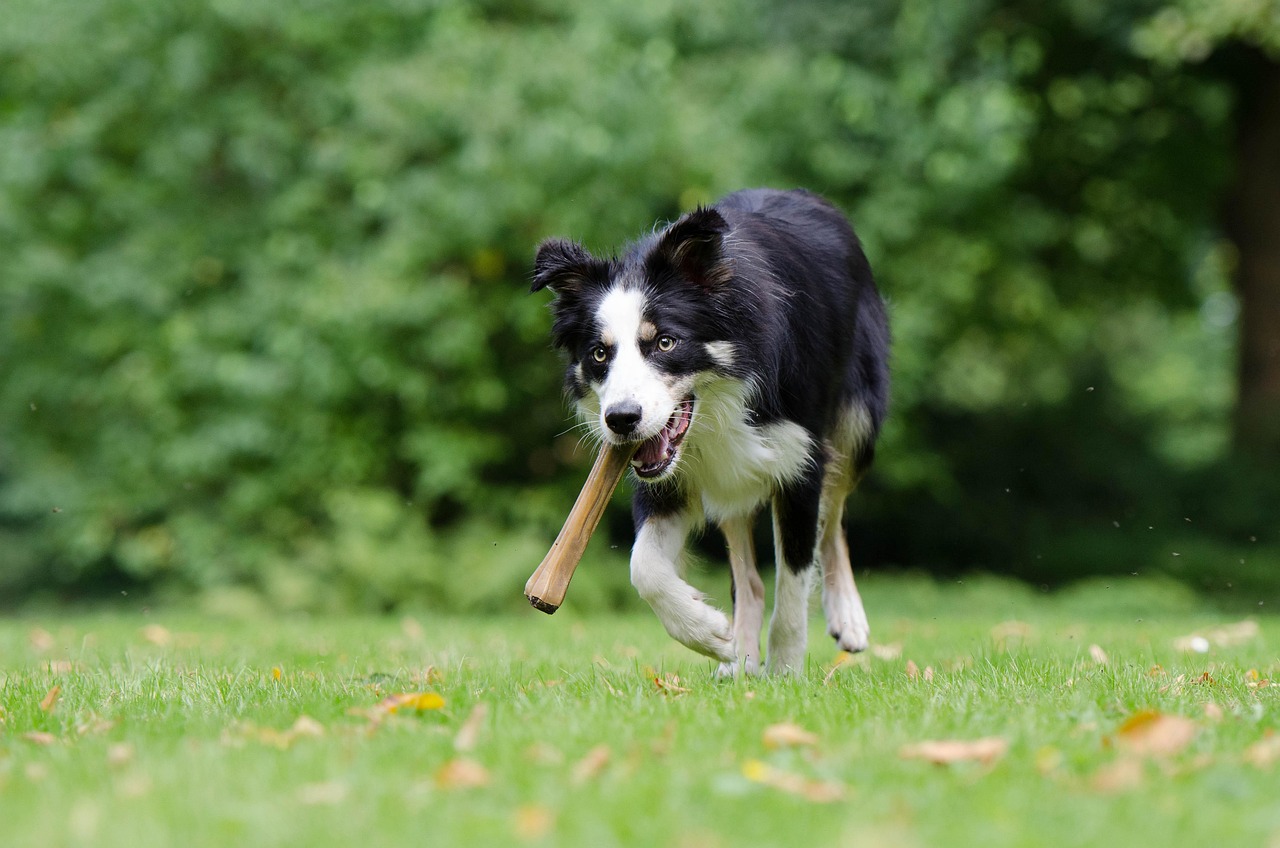
Raw bones can be a beneficial part of your dog’s diet, but moderation is key. Many dog owners may overlook certain signs that indicate their pet has consumed too many bones. It’s essential to monitor their chewing habits closely. If your dog seems obsessed with bones, it could mean they’re overdoing it. You may also notice increased salivation or different chewing patterns, which usually indicate discomfort or obsession. Moreover, if your dog begins to avoid other types of food, the raw bones may be replacing essential nutrients in their diet. It’s crucial to evaluate any sudden changes in behavior. Overconsumption can lead to digestive issues, such as diarrhea or constipation. Recognizing these symptoms early will help in managing your dog’s diet effectively. If you notice any inconsistencies in their normal routine, consult with your veterinarian. Balance is crucial in maintaining a healthy nutrition regimen for your furry friend. Understanding when enough is enough regarding raw bones will contribute to their overall well-being and longevity. Provide your dog with a varied diet, along with raw bones, to ensure healthy bones and teeth, while preventing potential issues.
Another consideration to keep in mind pertains to the size of the bones your dog is consuming. Not all bones are suitable for all dog breeds, and larger dogs may be able to handle bigger bones compared to smaller ones. It’s common for owners to assume that bigger raw bones are better, but that can lead to more severe consequences. If you notice your dog cracking or splintering bones excessively, this can potentially result in choking hazards or internal injuries. In some cases, jagged pieces of bone can cause tears, demanding immediate veterinary attention. These incidents reinforce the importance of keeping an eye on the type of bone given to your pet. Bone fragments that are too small can lead to swallowing without chewing adequately, increasing the risk of obstruction. Thus, always choose proper-size bones for your dog’s breed. A raw bone should ideally be large enough to prevent the pet from swallowing it whole, yet not so large that it becomes difficult for them to manage. Educating yourself on which bones are safe can significantly reduce risks and enhance the overall experience for both owner and dog.
Behavioral Changes from Excessive Bone Consumption
Behavioral changes can starkly reflect if your dog is overdoing its consumption of raw bones. For instance, if your dog becomes irritable or restless, it might indicate discomfort arising from overconsuming. You should also consider any obsessive behaviors, such as demanding bones consistently or being defensive over bone possession. Another sign is increased attention to other animals or food; if fixation or aggression occurs surrounding bones, it’s essential to change feeding habits. Excessive chewing can lead to dental problems unless properly monitored. Regularly checking your dog’s teeth and gums for oral issues is vital. Swollen gums or broken teeth may be indicators that bone consumption is too high. Furthermore, dogs may show reluctance to engage in normal activities if their stomachs are upset from too many bones. This can lead to increased lethargy or withdrawal from regular playtime. Pay attention to mood changes or lack of enthusiasm for walks or play. Altering their diet by reducing bone intake can often improve the behavioral patterns that concern you. Continuing to observe your dog’s general happiness is paramount.
Another critical sign that your dog might be overindulging in raw bones relates to its bowel movements. If you start to notice any significant changes in consistency or frequency of your dog’s stools, the bone consumption might be a contributing factor. Soft, loose stools often suggest excess fat or protein intake, which is not uncommon when dogs overeat bones. Moreover, if your dog shows signs of straining during defecation or produces hard, pellet-like stools, this indicates possible constipation caused by too much bone material. Any bowel changes should not be ignored as they can lead to significant health issues over time. Hence, regular monitoring of bowel health is necessary for maintaining your dog’s well-being. It’s essential to ensure they consume enough water, as bone-heavy diets can lead to dehydration. Inconsistent digestion might necessitate a diet change that incorporates more fiber. Adding some vegetables or grains to their meals can help stimulate more regular digestion. If bowel problems persist or worsen, seeking veterinary advice should not be delayed. This will also help ensure your dog’s dietary source is precisely fulfilling its nutritional needs.
Physical Symptoms to Look For
Paying attention to your dog’s physical symptoms can also inform your management of their bone intake. Signs of excessive bone consumption can manifest as vomiting or regurgitation, which could indicate a possible obstruction or irritation in the digestive tract. Dogs that experience significant discomfort may try to vomit after eating excessively, as the body attempts to relieve the pressure. Bloated stomachs can further signify that they have eaten too much too quickly. Observing your dog for signs of distress, such as pacing or whining, is advisable. Seek to provide smaller portions of raw bones over time to avoid digestive issues. In more severe cases, permanent damage or surgical intervention may be required if left unchecked. Keeping an eye on your dog’s appetite and energy levels will help you determine if they are feeling quite well. If they appear fatigued or uninterested in physical activities they previously enjoyed, it might also signal concerns. This vigilance can help catch issues before they escalate into more serious problems. Regular vet checkups are pivotal if you observe persistent symptoms related to bone consumption.
Finally, always remember the importance of balance when introducing raw bones to your dog’s regimen. While they do offer dental and nutritional benefits, overindulgence can lead to various health concerns. Be proactive by seeking guidance from your veterinarian to establish a proper feeding plan. A well-rounded diet supports your dog’s health, while also allowing them to benefit from the positive aspects of consuming raw bones. If establishing a healthy schedule seems difficult, consider working on a rotation that includes alternative chew items alongside raw bones. Providing a mix helps maintain interest while ensuring balanced nutrition. Observing how your dog responds to these adjustments can provide insight into their preferences and health. Always ensure access to fresh water as bones can be rich and require significant hydration. Regularly consult your vet and adjust the types or amounts of bones to suit your dog’s individual needs. By doing this, you proactively promote your dog’s health, happiness, and longevity through responsible feeding habits. Keep in mind, understanding your dog’s signals will guide you towards making the best choices for their nutritional plan.
Conclusion on Managing Raw Bone Intake
In conclusion, monitoring your dog’s consumption of raw bones is vital for their health and well-being. Identify the signs of overindulgence, such as changes in behavior, digestive health, or physical symptoms. Ensuring your dog has a balanced diet alongside raw bones is essential in promoting long-term health. Also, subtle shifts in your dog’s attitude toward their food can be indicators of a larger issue related to bone consumption. Be vigilant about keeping their feeding practices healthy. Incorporating variety and seeking professional guidance will help mitigate the risks associated with feeding raw bones excessively. Ultimately, establish a dietary regime that supports their overall health while accommodating their natural chewing instincts. A happy dog is a healthy dog, so paying attention to their habits and signs will enrich their lives. Make adjustments as necessary to fine-tune their nutrition needs. Commit to ongoing education about dog nutrition trends and practices. The connection between a nutritious diet and a dog’s overall happiness is immense. Create an environment that promotes well-being, leading to an enriched life for your cherished pet.