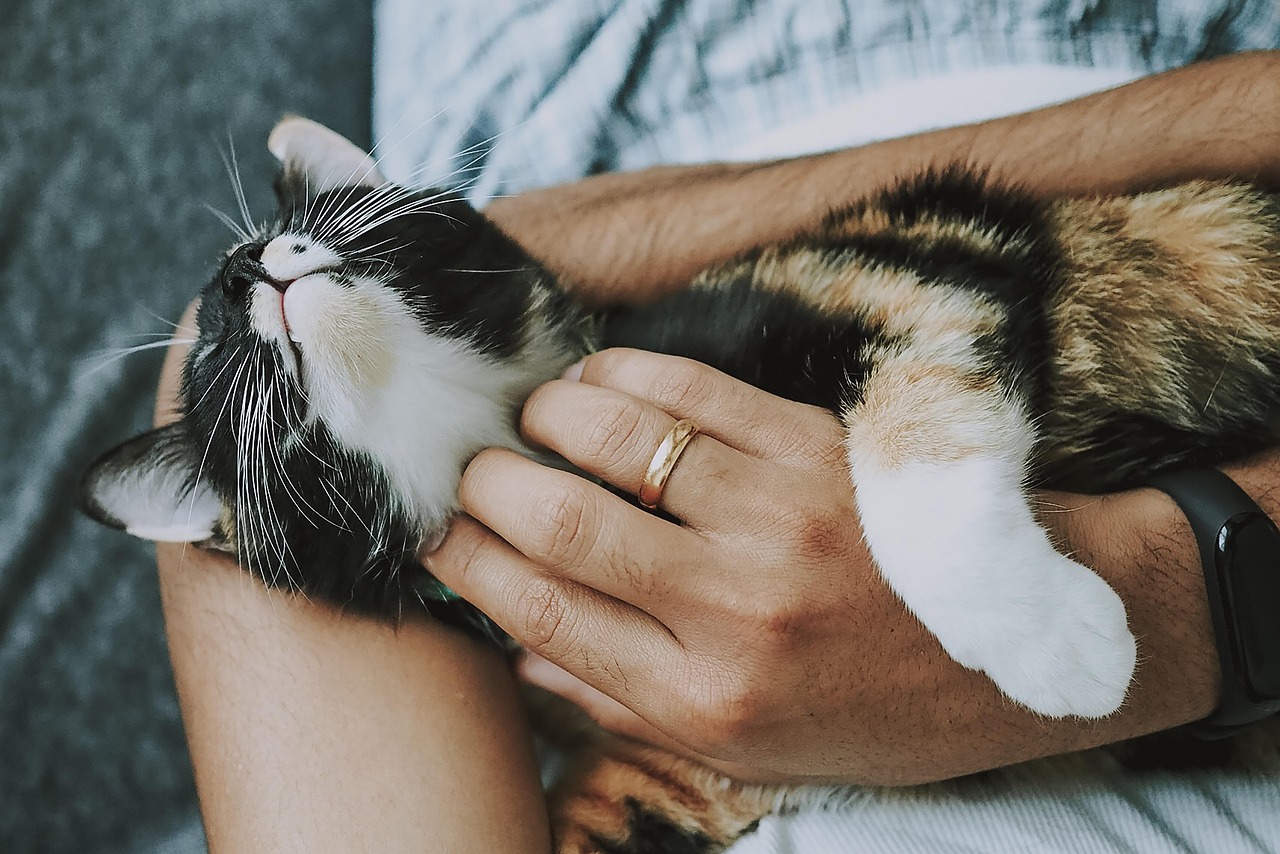

The Importance of Microchipping in International Cat Adoption
When adopting a cat internationally, one of the most essential steps involves microchipping. Microchipping provides a permanent form of identification that increases the chances of reuniting lost cats with their owners. This tiny, rice-sized chip is implanted under the cat’s skin and contains a unique identification number. Shelters and vets worldwide can scan this chip to access owner information. Many countries require microchipping for imported pets, making it crucial during international adoption. Cats often experience stress during travel and may escape when arriving in a new environment. This is where microchipping becomes vital. Even if they lose their collar or tag, the microchip remains implanted and unremovable, providing peace of mind for owners, knowing their pets have a reliable identification method. Moreover, adopting families should ensure their contact details are registered with the microchip company. Regularly updating this information if you move or change your phone number is equally essential. In addition, microchip registration is often less expensive than purchasing a collar with identification tags, making it an economical, yet invaluable investment for cat adopters.
Legal Requirements for Microchipping
Many countries have introduced strict regulations governing the microchipping of pets. Before adopting, it is crucial for prospective cat owners to understand these legal requirements. Different regions may require that all adopted cats have a registered microchip upon arrival. For instance, in the European Union, there are regulations to ensure that cats are microchipped before entering the country. Failure to comply with these regulations may lead to hefty fines or even the denial of entry for pets. Also, microchipping facilitates the tracking of cats throughout their journey into their new homes. Understanding the specifics of microchipping laws in both the country of origin and the new country can help streamline the adoption process. Organizations specializing in international adoptions provide resources to help navigate these legalities. Working with reputable rescue organizations ensures that cats meet all required standards for adoption. Therefore, researching the laws that pertain to the country you are adopting from and into is essential. This knowledge demonstrates the commitment of the new owner to adhere to regulations concerning international cat adoption.
In addition to the legal aspects, microchipping also plays a significant role in cats’ safety and welfare. Cats often face numerous dangers while exploring their new surroundings. Their curiosity can lead them into risky situations, such as busy streets or unfamiliar territories. Many municipalities also have pet ordinances, allowing stray animals to be picked up by local authorities. Consequently, a lost cat without proper identification may not find its way back home. Microchipping significantly lowers the risk of being permanently separated from a beloved cat. Many stray cats end up in overcrowded shelters. Numerous statistics illustrate the high number of animals, including cats, euthanized due to overcrowding. Microchipping allows shelters and rescue organizations to accurately identify cats, improving their chances of being returned to their rightful owners. The emotional toll associated with losing a pet can be immense for both the cat and its owner. Microchipping represents an essential tool that can help mitigate these risks, ensuring that all pets, especially international adoptees, can reunite with their families swiftly during troubling times.
Another important benefit of microchipping in international cat adoption is the potential for travel harmony. Microchipped cats often have fewer complications and health issues when crossing borders, thanks to geo-tracking technology. This allows authorities to verify the cat’s history, vaccination records, and prevent the spread of zoonotic diseases. When a family adopts a cat, knowing they will endure the transition smoothly can bring immense relief. Furthermore, international travel for pets can be tedious, requiring numerous documents and permits. Microchipping can simplify some travel processes, as microchips often comply with international regulations. For example, certain countries need proof that the animal is microchipped to ensure compliance with animal health standards. If an adopted cat gets lost while abroad, having a microchip can expedite the process of recovery. It ensures that those who find the cat can quickly verify ownership. It further underscores the advantages for retirees or expatriates planning to travel with their newly adopted pet. This ease of travel can enhance the overall experience for both humans and their feline companions.
Microchipping also serves as an excellent deterrent against pet theft. Unfortunately, cats are sometimes targeted due to their independent nature. A microchip can significantly reduce the risk of pet theft by identifying the rightful owner. Thieves who realize that a cat is microchipped are less likely to risk stealing it, knowing that proper identification could link the animal back to its owner. This can safeguard adopted cats during their transitional phase into new environments. In numerous cases, a microchip has helped recover stolen pets, allowing families to confront pet theft successfully. Registering your microchip in a national database allows you to improve the chances of recovering stolen pets. Many pet owners often underestimate the value of having a microchip, mistakenly believing that collars, tags, or other methods of identification are equally effective. While these methods can be helpful, they can easily fall off or be removed. A microchip is permanent and cannot be lost. To protect your international cat adoption better, take proactive measures by ensuring that microchipping is performed before bringing your feline friend home.
Another critical aspect is the affordability of microchipping cats. Many shelters provide this service for a nominal fee as part of the adoption process. Surveys have shown that prospective pet adopters often think microchipping is expensive, but this is generally not the case. The costs should be reasonable compared to the potential expenses incurred if a cat goes missing. Additionally, numerous organizations host events where microchipping is free or significantly discounted. In turn, this can alleviate some concerns associated with the financial burden of pet ownership. When adopting internationally, families are encouraged to factor in microchipping costs as part of their overall budget. Equally important, many veterinarians also offer microchipping during routine health check-ups. They can provide more information about the procedure and ease any anxiety surrounding it. Knowing microchipping is a straightforward process helps many cat owners to prioritize it without hesitance. It is essential to remind new owners that this small investment can have a lasting impact on their lives, providing security and peace of mind for both animals and their human companions.
In conclusion, microchipping is an indispensable factor in international cat adoption. Through this process, pet owners ensure lifelong safety and identification for their beloved companions. Without a doubt, microchipping significantly enhances the chances of pets reuniting with their families in various situations. Furthermore, as prospective cat adopters navigate complexities during international adoptions, staying well-informed about regulations and best practices becomes paramount. The commitment to ensuring that cats are microchipped reflects a love and concern for their well-being. Ultimately, microchipping and adoption go hand in hand; it is not just a best practice; it is a responsibility. Ultimately, new families can be confident that they’re doing everything possible to keep their furry friends safe. The process might seem simple, but it plays a critical role in shaping future experiences in their new homes. While preparing for international cat adoption can be extensive, prioritizing microchip identification should remain at the forefront. Every step taken to ensure care for an adopted cat’s safety ensures a positive transition into a loving home environment.