
How Age and Diet Influence Dog Dental Care Needs
As dogs age, their dental care needs evolve significantly. Puppies, with their developing teeth, are often more susceptible to dental issues like plaque buildup and gum disease. In contrast, older dogs may experience tooth loss and other complications due to extended wear on their teeth. Diet plays an essential role in the overall dental health of dogs. Often, the nutrition provided through food can help strengthen teeth and gums, reducing the risk of diseases. A diet rich in fiber can also aid in mechanically cleaning teeth as the dog chews. Furthermore, incorporating specific dental treats or kibble designed for dental health can provide additional benefits. These options usually contain ingredients that promote stronger teeth and fresher breath. Regular vet check-ups are crucial, especially for older dogs, to monitor any changes in their dental health. Professional cleaning may be necessary to maintain optimal oral hygiene. Pet owners should remain vigilant about their dog’s oral care, observing any signs of distress, bad breath, or eating difficulties. Thus, a proper diet adapted to the dog’s age can significantly influence their dental health.
Another critical factor influencing a dog’s dental health is the quality of food being consumed. Dogs fed tables scraps or low-quality food might face significant dental health issues. Poor diets can lead to obesity, which can, in turn, exacerbate existing dental problems. When considering dog food, one must evaluate its ingredients carefully. High-quality, natural ingredients typically lead to better overall health, including dental health. Dog food that contains grains, or excessive fillers may not provide adequate nutrition. Ingredients in some foods can also help clean teeth during chewing. Additionally, some items, like carrots or apples, can naturally help in cleaning teeth. Including these as snacks can aid in preventing tartar buildup. Avoiding sticky or sugary treats is essential since these can contribute to tooth decay. Regularly switching up your dog’s diet by introducing various textures and flavors can keep them interested while also benefiting their teeth. Pet owners should consult with their veterinarian about the best diet tailored for their dog’s age and health condition. Being proactive with dietary choices is crucial for sustaining optimal dental health for your canine companion.
The Role of Chewing in Dental Health
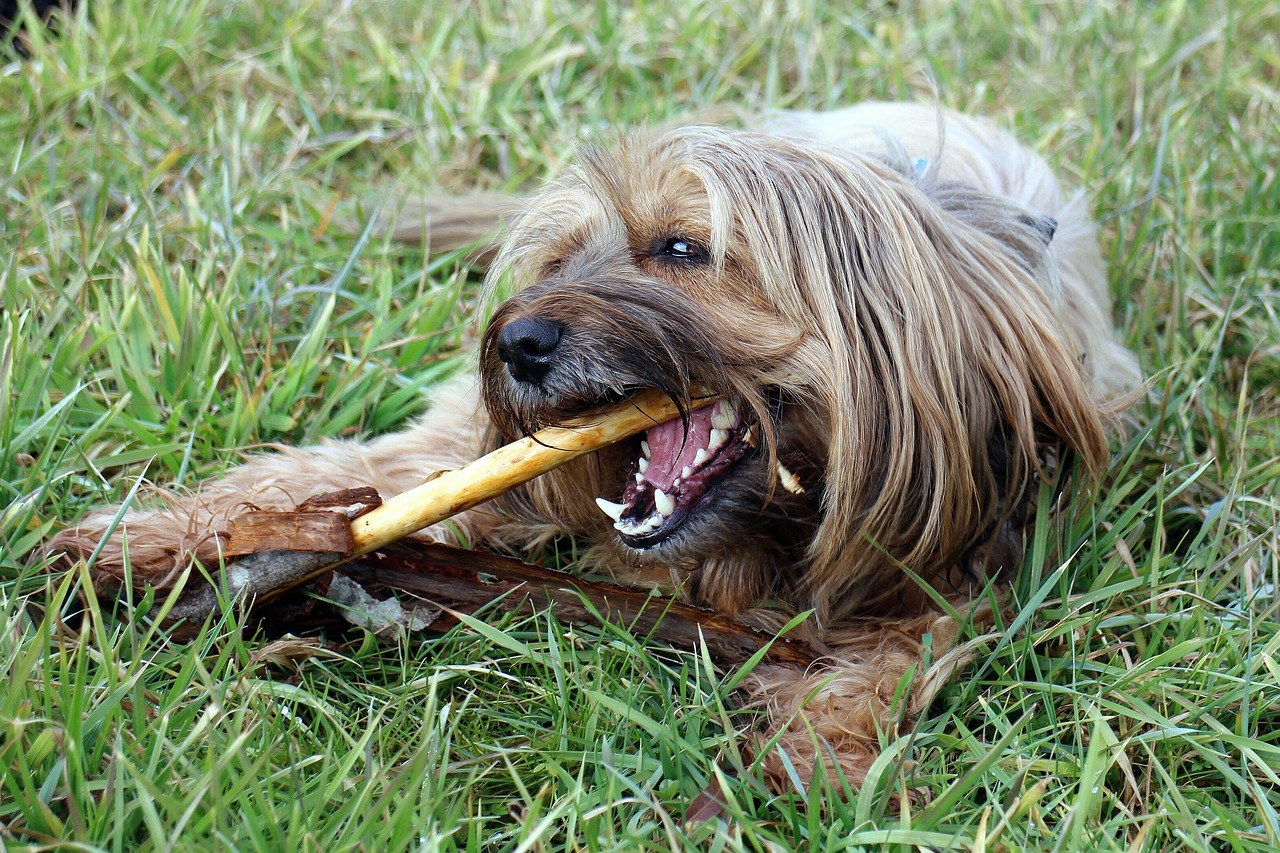
Chewing is a natural behavior for dogs that has significant benefits for dental health. Different life stages of a dog present varying chewing needs and preferences. Puppies tend to chew to relieve teething discomfort, and having appropriate chew toys can prevent them from developing bad habits, like chewing on furniture. For adult dogs, chewing helps to keep teeth clean and can even promote healthy gums. There are numerous chew toys on the market specifically designed to enhance dental health. These toys often have ridges or textures that aid in reducing plaque buildup while providing entertainment for your pet. Another benefit of chewing is freshening breath, which can be a common concern for pet owners. Owners should ensure the chews are of high quality, as inferior products may break easily or splinter. Always supervise your dog during chew time to prevent swallowing harmful small pieces. Furthermore, incorporating dental chews into the diet can yield additional health benefits. Chewy options provide not just enjoyment but also serve the purpose of keeping teeth cleaner. Therefore, the chewing activity is essential for sustaining a dog’s oral health throughout their life stages.
Aging dogs often require more attention concerning their dental care routines. Dental disease is common among older dogs, so it becomes imperative to maintain a consistent oral hygiene regimen. This may include daily brushing, dental wipes, or rinses formulated specifically for dogs. Regular dental check-ups become necessary as the dog ages. These visits help catch any dental problems early before they escalate. The veterinarian can provide tailored recommendations based on the dog’s specific condition. Additionally, monitoring the dog’s appetite and behavior can offer insights into their dental health. A sudden refusal to eat or difficulty chewing can indicate potential dental issues that need addressing. The approach to dental care must evolve with their changing needs to ensure continued health and comfort. Moreover, proper nutrition and specific dental products can further enhance the health of older dogs’ teeth while minimizing risks associated with dental disease. It’s important for dog owners to communicate any concerns to their veterinarians early on. Being proactive can prevent unpleasant experiences related to poor dental health in aging dogs, thus improving their quality of life.
Preventive Measures for Dental Health
Preventive measures play a pivotal role in maintaining optimal dental health for dogs of all ages. Establishing a dental care routine from a young age can set a solid foundation. Regular brushing is perhaps one of the most effective ways to prevent dental diseases. Using specially designed dog toothpaste and brushes is crucial since human products can be harmful. Pet owners should aim to brush their dog’s teeth at least two to three times weekly. In addition to brushing, offering dental chews and toys can serve as an effective way to maintain oral health. Choosing high-quality chews can also be rewarding for your dog. It’s not solely about prevention but coupling these measures with a balanced diet. Scheduling routine vet visits to monitor dental health is critical; the veterinarian can provide cleanings as necessary. Scalings done by professionals can help eliminate tartar buildup and maintain gum health. Additionally, keeping an eye out for bad breath or changes in eating habits can help detect potential problems early. Overall, a multifaceted approach is essential for providing the best dental care for your dog throughout their life stages.
Dental care needs can vary greatly depending on the size and breed of the dog. Smaller dogs often face unique challenges, such as overcrowded teeth and higher incidences of periodontal disease. Their dental structure can make them more susceptible to plaque and tartar buildup. On the contrary, larger breeds may have fewer dental issues but can still experience significant problems, such as fractured teeth. It’s important to educate oneself on the breed-specific dental health concerns a pet may face, as this knowledge can help direct care effectively. Regular dental check-ups tailored to breed-specific needs can help owners ensure their dog receives the necessary attention. Customizing dental care products, such as the type of toothbrush or the kind of dental chews based on size, can further enhance a dog’s oral health. Additionally, feeding sizes varied based on the pet’s size can play a preventive role in dental issues. Owners should always consult with their veterinarian about personalized recommendations. This tailored approach can lead to optimal dental health and a longer, healthier life for all dogs, regardless of their breed or size, while ensuring happier, healthier pets.
Conclusion: Importance of Comprehensive Dental Care
In conclusion, it’s evident that age and diet significantly influence a dog’s dental care needs. Developing a holistic dental care routine is critical for providing long-lasting health benefits. Tailoring dietary choices to your dog’s life stage and health condition is imperative, making it easier to manage dental health effectively. Incorporating dental-friendly foods, regular brushing, and appropriate chew toys into their routine can lead to better outcomes. Moreover, monitoring your dog’s dental health and being proactive regarding check-ups and cleanings can prevent uncomfortable and costly dental procedures down the line. Regularly assessing the dog’s behavior for signs of discomfort is also crucial. Moreover, investing in high-quality dental care products can further enhance the health benefits provided through good nutrition. As dog owners, it’s vital to create a preventative strategy rather than a reactive one. A consistent commitment to dental hygiene can even positively affect a dog’s overall well-being. By ensuring a comprehensive dental care regimen, pet owners can help their dogs live happier and healthier lives through effective prevention and proper care.
The connection between diet and dental care in dogs is irrefutable. Pet owners need to become proactive advocates for their dog’s health by being informed about the impacts nutrition can have on oral hygiene. Making informed dietary choices aligned with the dog’s age and specific needs can facilitate a healthier life free of dental problems. Through education and regular maintenance, dog owners can significantly affect their pet’s dental health. Care should also be taken to select the right food and supplements that support not just dental health, but overall physical well-being. Additionally, understanding the importance of texture or ingredients in dog food can provide significant benefits to maintaining clean teeth. Ultimately, creating an effective health plan involves not just acknowledging but implementing good practices across various aspects of care and prevention. As age and dietary factors interplay within a dog’s dental health, maintaining a strategic plan will lead to enhanced quality of life. Implementing these principles ensures that dogs receive the comprehensive care necessary for lasting dental health. Embracing this proactive attitude can pave the way for better health and happiness for our beloved canine companions.