
The Role of Calories in Dog Food Portions Calculation
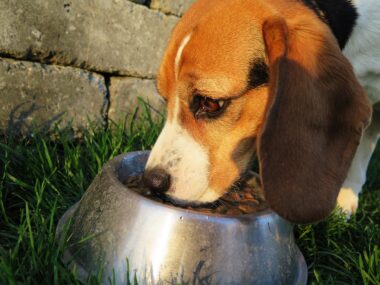
Understanding the role of calories in dog food portions calculation is essential for maintaining your dog’s health. Dogs, just like humans, require a specific number of calories daily for energy, growth, and overall well-being. The total calorie needs of your dog depend on factors like age, size, activity level, and health status. Feeding your dog the correct amount of calories ensures they maintain a healthy weight and energy level. It’s important to consult nutrition guidelines or your veterinarian to determine the appropriate caloric intake for your individual dog. Not all dog food brands provide the same caloric density, thus understanding the calorie content in the specific food you use is vital. Additionally, adjusting portions based on your dog’s lifestyle and changes in activity is often necessary. A productive way to manage food portions is through the use of food portion calculators, which can help simplify the process of determining the right amount of food to feed your dog. By considering all these factors, you can better meet your dog’s nutritional requirements and promote their overall health and well-being.
One critical element to consider in calorie calculations is your dog’s breed. Different breeds have varying energy requirements, often influenced by size and metabolic rate. For instance, larger breeds typically require more calories than smaller ones, as they have larger body mass. In contrast, smaller breeds tend to have faster metabolisms, requiring calories to maintain their energy levels as well. Furthermore, consider your dog’s activity level; an active or working dog will need more calories than a sedentary one. Conversely, if your dog is overweight or less active, calorie intake should be restricted to promote weight loss and overall health. It’s also essential to keep an eye on your dog’s age; puppies generally need more calories per pound than adult dogs because they are still growing. Similarly, senior dogs often need fewer calories to avoid excess weight gain due to decreased activity levels. Understanding these factors will help you accurately adjust portion sizes and caloric intake to suit your dog’s lifestyle and needs.
Portion control is a vital aspect of dog nutrition, and excessive feeding can lead to obesity. Obesity not only impacts a dog’s physical appearance but also leads to various health issues such as diabetes, joint problems, and even heart disease. To prevent these conditions, understanding how to read food packaging can provide insight into calorie content. Most dog food packages will outline feeding guidelines based on a dog’s weight, which can serve as a starting point. One efficient method to ensure actual portions are appropriate is to use a digital scale to weigh your dog’s food. By measuring portions accurately, dog owners can minimize the risk of overfeeding, enhancing their pet’s health. Additionally, incorporating low-calorie treats or fresh fruits and vegetables can keep your dog satisfied without adding excessive calories to their diet. Be mindful, however, as treats should only make up a small portion of your dog’s daily caloric intake. Always be cautious about adjusting portions as necessary and consult your veterinarian to fine-tune your dog’s feeding regimen for best results.
Impact of Quality Ingredients on Caloric Needs
Another crucial factor in calculating the caloric content of your dog’s food is the ingredient quality. High-quality ingredients often provide more nutrients per calorie, improving your dog’s health and overall diet. Ingredients found in premium dog foods are typically more digestible, which means your dog can absorb more essential nutrients with fewer calories. This quality makes it easier to manage portions without compromising nutritional value. In addition, unique dietary needs must be considered; some dogs may have food allergies or intolerances requiring specific diets. The key is to focus on a balanced diet that meets your dog’s needs while providing sufficient energy. Reading the ingredients list on dog food labels can help you make informed decisions about what to feed your pet. Look for meats or fish as the primary ingredient and avoid fillers like corn or soy when choosing food. When you prioritize quality ingredients, you are not only ensuring adequate caloric intake but also contributing to increased vitality and longevity for your furry friend.
Regular monitoring of your dog’s weight and overall condition is vital for proper calorie management. Weight fluctuations may indicate that your dog’s calorie intake is not aligned with their needs. Consistent weigh-ins can help detect weight gain or loss early, allowing for timely adjustments to feeding portions. If your dog becomes overweight, their daily calorie intake needs to decrease. Conversely, if they seem too thin, an increase in calories may be necessary. When making adjustments, do so gradually to avoid digestive upset. Also, assess any recent changes in your dog’s lifestyle, as changes in activity level can affect their caloric requirements. Aim to reassess your dog’s diet every few months or when something significant alters in their routine. This practice aids in finding the correct balance that meets their energy requirement without overfeeding. Engaging with a veterinary professional during this process can provide valuable insight and recommendations suitable for your furry companion’s health.
How to Use Portion Calculators Effectively
Utilizing a food portions calculator can simplify the process of determining appropriate portions for your dog. Start by entering your dog’s weight, age, and activity level into a reliable calculator. These tools consider various factors to calculate the ideal caloric intake automatically. They can be found on many veterinarian and dog nutrition websites, providing a resourceful approach to your dog’s meal planning. Once you obtain the recommended daily calories, divide this number by the calorie content of the food to determine the appropriate feeding amount. Adapting these values might be necessary over time, given fluctuations in your dog’s weight or lifestyle changes. It’s also helpful to keep in mind that these calculators serve as guides; personal adjustments may sometimes be needed. Regular assessments are equally essential after implementing calculator recommendations. This dynamic approach to dog feeding ultimately allows you to make nutritional decisions that favor your dog’s health and happiness.
Finally, the importance of hydration should not be overlooked when discussing dog nutrition and caloric intake. Water plays a crucial role in digestion and maintaining overall health, especially if your dog is consuming dry kibble. Always ensure your canine companion has access to fresh water at all times. Proper hydration can also aid in weight management, as using water-rich foods might help satisfy hunger while being lower in calories. Incorporating wet food can help stimulate appetite, especially in picky eaters or dogs recovering from illness. Observing your dog’s water consumption and ensuring they are hydrated can also influence their caloric needs. Remember that the right balance of solid food and water is vital for effective digestion, nutrient absorption, and energy maintenance. The combination of monitoring caloric intake, portion sizes, and ensuring hydration creates a holistic approach towards your dog’s nutrition, leading to a healthier and happier life.
Conclusion
In conclusion, understanding the role of calories in dog food portions calculation is fundamental to your pet’s health. It’s essential to consider various factors like breed, age, activity level, and ingredient quality in the diet. By accurately measuring food portions, using tools like portion calculators, and continuously monitoring your dog’s weight, you can effectively manage their weight and overall health. As always, regular consultations with a veterinary professional can provide additional guidance tailored to your pet’s individual needs. By prioritizing an informed approach to dog nutrition, you ensure your four-legged friend’s optimal health and quality of life.