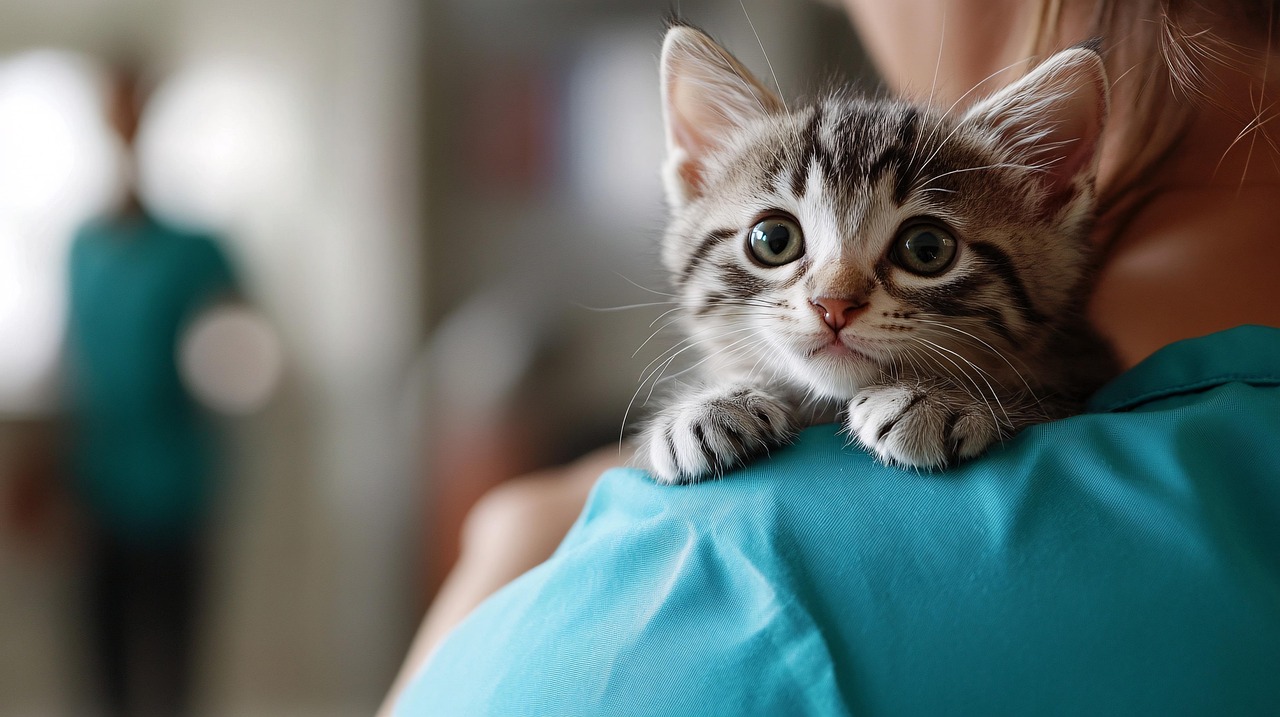

The Importance of Early Veterinary Socialization for Kittens
Early veterinary socialization is a crucial component of kitten development. It profoundly impacts their long-term behavior, health, and well-being. Socialization, especially during the critical period of 2 to 9 weeks, shapes how kittens react to humans and environment stimuli in future. If a kitten experiences positive interactions with veterinarians and handling during this phase, they are less likely to become anxious or fearful later. This early exposure forms their behaviors, easing their transition into adulthood. Fear and aggression often manifest in cats that aren’t socialized properly; thus, acclimating them to different situations is imperative. Taking the time to introduce your kitten to the vet’s office can prevent stressful experiences. Not only pets, but also the people interacting with them benefit from this. If a cat is calm during examinations, it eases the burden for veterinary staff and improves the overall experience. Owners must start this process early to reap the benefits. Some techniques include gentle handling, positive reinforcement, and a schedule for visits, creating a positive association with vet trips. All these aspects contribute to desirable development for a happy, healthy feline companion.
Benefits of Positive Vet Experiences
Creating positive veterinary experiences greatly benefits kittens’ overall behavior. Cats that have been well-socialized tend to exhibit less anxiety during exams and treatments later in life. This reduction in stress not only helps the cat but also creates a calm atmosphere for the veterinarians. Kittens that feel comfortable will display cooperative behavior when examined or treated. Regular and pleasant veterinary visits establish trust, ensuring that your cat will not associate frightful feelings with vet appointments. People often underestimate the profound impact of early socialization, yet it determines the pet’s response to healthcare. A well-socialized kitten becomes an easy-going adult cat, promoting a healthier living environment. This lays the foundation for positive experiences as the cat grows into adulthood. It means fewer emergency consultations and reduced vet visits due to panic or fear. Additionally, positive experiences promote a healthier lifestyle as cats are more willing to accept necessary vaccinations and check-ups. Socialization with animals and different sounds during vet visits contributes to this too. Owners must prioritize these outings, as confident cats make more delightful companions, contributing to a satisfied household. This proactive approach ensures their long-term well-being in various life stages.
Socializing kittens with veterinary settings can begin at home by simulating experiences. Owners can incorporate play, gentle handling of the paws, and introducing toys that mimic medical objects to create associations. For instance, soft brushes can help kittens feel accustomed to sensations similar to those felt during veterinary check-ups. Associating treats with handling encourages positive reinforcement. Regular visits to the clinic, even just to receive a treat, can also normalize such visits. Another effective strategy is to expose kittens to various sounds resembling those at the vet, such as clipper noise or gentle clinking of bottles. Utilizing a gradual approach can ease anxiety while introducing them effectively to the environment. Over time, these strategies condition them to anticipate pleasant interactions at the vet, rather than stressful situations. The game of touch and handling can also prepare them physically for exams. Socialization should be paired with patience and gentleness to ensure safety and comfort throughout the process. Taking baby steps goes a long way in laying the foundation for enjoyable future veterinary interactions. Emphasizing the importance of preventive care allows for healthier habits as they grow, ensuring a smoother, healthier lifestyle for them.
Regular veterinary visits play a crucial role in maintaining a kitten’s health. Owners need to prioritize vaccinations and check-ups, as these visits help detect potential health issues early on. Just as important as socialization, these visits provide essential services for a cat’s well-being. During the initial visits, the veterinarian will assess the kitten’s overall health, ensuring they meet growth and development milestones. Kittens should receive their first set of vaccinations at a young age, which could protect against serious diseases later in life. As they develop, routine check-ups allow vets to monitor their health closely. The vet will also enhance the owner’s understanding of preventive care. When kittens are exposed to the vet’s office early, they develop an understanding of what to expect during regular visits. This understanding can serve as an excellent foundation for ongoing health assessments and improve the chances of a healthy lifestyle. With engaged owners advocating for preventive care, kittens experience less risk of serious ailments. A solid relationship with veterinary professionals is pivotal for ensuring health longevity. Thus, consistent veterinary visits help create a harmonious relationship between the owner, the cat, and the healthcare provider.
Signs of Effective Socialization
Recognizing the signs of successful kitten socialization is vital for every owner. A well-socialized kitten will portray confidence instead of exhibiting fear or aggression in new situations. They are curious about their surroundings, exploring rather than retreating. Socialized kittens will typically show friendly behavior towards new people, demonstrating comfort when approached or held. They may purr, knead, or rub against humans, indicating they feel secure. These affectionate behaviors signal that the kitten trusts their owner and will likely develop into a more tolerant and relaxed adult. Additionally, a positive response to handling during examinations is a notable sign of effective socialization. If a kitten allows gentle touching of their paws, ears, and tail without distress, this indicates confidence. Over time, they should also adapt to various environments, sounds, and other animals without showing signs of excessive stress. This adaptability reflects successful early experiences. Owners should take note of their kitten’s behavior in unfamiliar settings to judge socialization effectiveness. Engaging early with various stimuli leads to a more well-rounded temperament as an adult, ensuring they remain wonderful companions.
It is crucial to regularly assess socialization progress as kittens grow and develop. Monitoring interactions will help motivate owners to continue the process and address any emerging issues. Signs to keep an eye out for include withdrawal or aggression in new situations, as these could indicate a need for additional socialization. Observing whether the kitten accepts handling from different people or interacting with various pets can also highlight strengths and weaknesses in social behaviors. Frequent interactions with various individuals, environments, pets, and sounds are essential components towards exposing kittens to the world outside. Integrating opportunities for structured playtime with new visitors can also promote healthy connections. Owners can enlist help from friends and family, encouraging positive contact experiences for their kittens. It is equally important to recognize breeds that may have higher socialization needs. Some breeds naturally require more interactions, while others adapt quickly. Pet owners should leverage resources, including training classes or consultations with veterinarians, to tailor socialization effectively. By staying engaged and proactive, owners can ensure their kittens grow into vibrant, sociable cats that enrich their families and communities.
Conclusion on Early Veterinary Socialization
In conclusion, early veterinary socialization lays the groundwork for a kitten’s future health and behavior. Owners are encouraged to prioritize positive experiences during early growth stages. Implementing gradual exposure techniques, ensuring regular veterinary visits, and monitoring behaviors will contribute significantly to their well-being. Socialization significantly affects reactions during exams and forms lasting responses to health care. Creating a comfortable environment minimizes anxiety, not only for kittens but also for veterinary staff, ensuring a more positive experience overall. When a stable foundation of socialization is built, it establishes trust between the pet and their caretaker. Consequently, preventive healthcare becomes easier and more effective. Socialized kittens grow into confident adult cats who engage better with their surroundings. By understanding the significance of this early stage, owners can facilitate happier, healthier feline companions, leading to more profound bonds. Furthermore, sharing knowledge with fellow owners helps spread awareness about the benefits of socialization, ultimately contributing to a healthier feline community. Making a commitment to their kittens’ well-being ensures that they enjoy an enriched life filled with love and positive experiences, which translates into long-term health and happiness. Take proactive steps now for a rewarding future with your furry friend.
Taking these insights into account will undoubtedly help build a well-adjusted kitten. Ensure you engage positively with your furry friend from the very start, granting them a strong foundation for their life ahead. Begin the journey towards creating a healthy, affectionate, and well-rounded adult cat by nurturing their socialization and regularly visiting the vet. Incorporating a variety of experiences in a gentle manner can truly make a difference in shaping your kitten’s perspective of the world. Remember that every positive interaction counts, especially in their socialization window. Monitoring behavior, adjusting approaches, and constantly reinforcing positive connections with the vet and people will cultivate a lifetime of wellbeing for your feline companion. The importance of this early investment in veterinary socialization cannot be overstated; it establishes both a loving bond and a proactive approach to health. Your vigilance and involvement are paramount during this period, ensuring the best possible outcomes for your kitten. Ultimately, it’s about creating joy and enrichment in their lives, fostering happiness that lasts well into their adulthood. The effort you put in now not only influences their immediate behavior but also shapes their overall quality of life going forward.