
Troubleshooting Common Issues with Portable Dog Fencing
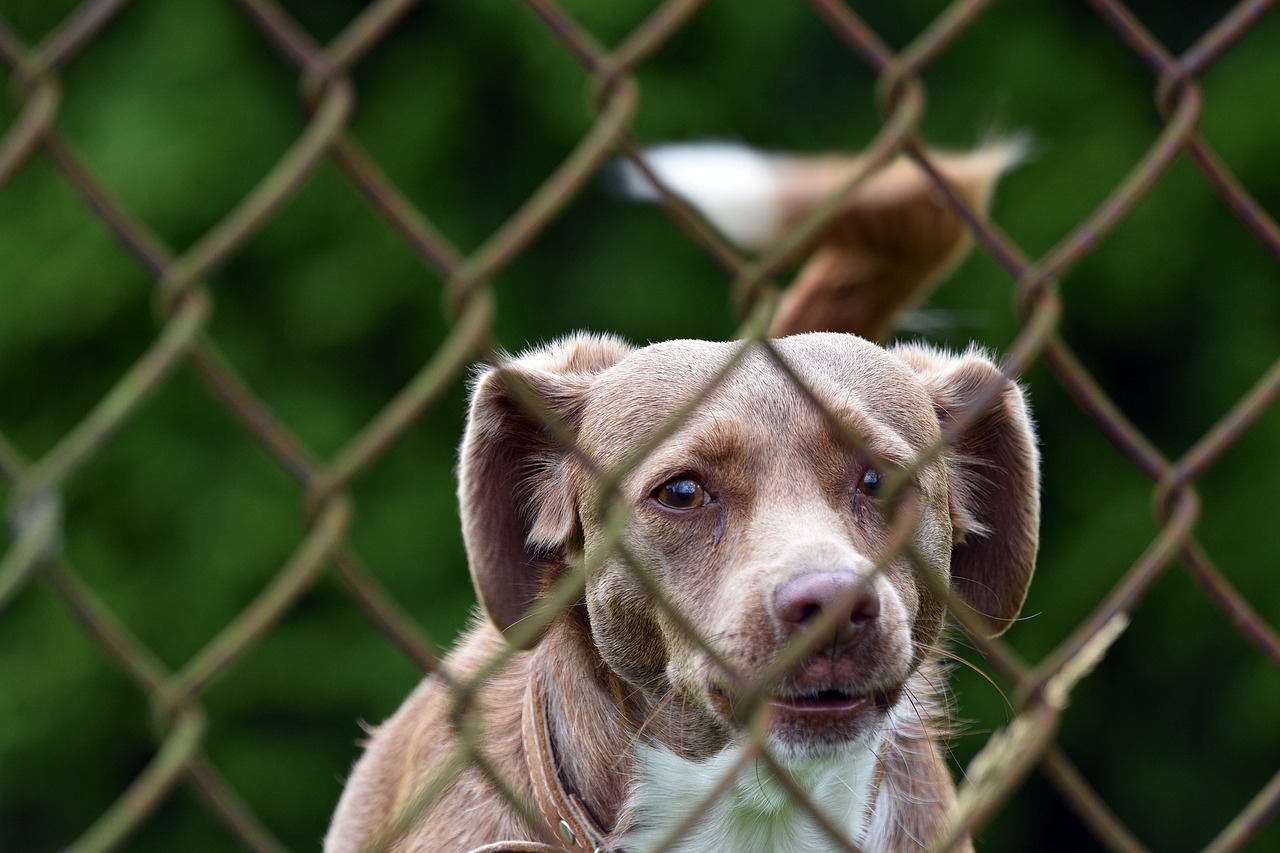
Portable dog fencing offers flexibility and convenience for pet owners who want to create safe spaces for their dogs. However, using these systems can sometimes present challenges. One common issue is the setup process, which might be confusing for first-time users. Arranging the fencing in a secure manner is crucial to ensure your dog remains safe within the designated area. Moreover, if the fencing is not properly staked into the ground, dogs may find ways to escape. For users to successfully troubleshoot this obstacle, it is advisable to consult the manufacturer’s manual, which provides valuable insight into proper installation methods. Another consideration is ensuring that the gates operate smoothly. If they stick or are difficult to open or close, a dog could potentially escape during transitions. Ensuring that locking mechanisms are functional can prevent such instances. Regular maintenance checks can also help ensure your portable fencing remains effective over time, ensuring optimal performance. For additional assistance, engaging with online communities can provide shared user experiences that may offer useful solutions to common problems encountered with portable dog fencing.
Another common issue with portable dog fencing is the effectiveness against larger, more determined breeds. While many systems cater to various dog sizes, some may not adequately contain powerful dogs who learn to push their way through. To address this concern, thoroughly research the specifications of the fencing, targeting those specifically recommended for larger breeds. If your dog has already demonstrated the ability to escape, it may help to add additional anchoring or weights to the fencing for added stability and security. Considering the addition of extra panels can augment size to better suit your dog’s needs. Furthermore, during strong wind conditions, certain models may become unstable. Engaging in site assessments prior to setup can help identify the best spots to combat wind factors. Users should also evaluate alternative locations that are shielded from adverse weather conditions. Adhering to these tips can ensure that your portable fencing remains a secure and effective solution. Additionally, reviewing user feedback on the various products available can assist future purchases and guide users toward more reliable options that meet specific needs.
Safety and Visibility
A major concern with any dog fencing system is visibility. Portable models may not always stand out in outdoor environments with grassy or wooded areas. If the fencing is weakly visible, there is a heightened risk that—especially for larger dogs—an escape or an accident could occur. Users should consider purchasing reflective materials or adding visibility markers to existing panels for extra safety. This provides a clear sight line even in dim lighting, which is vital during early morning or dusk. Adding flags or bright colors to the top of the fencing can help increase visibility further. Additionally, ensure that the chosen fencing material can withstand weather changes and is robust enough to resist wear over time. Regular inspections of the fencing should include checks for rust or fraying that could compromise structure integrity. Investing in a quality portable fencing solution composed of durable materials can mitigate these risks and provide a long-lasting barrier for your pet’s safety. Continue to monitor your pet’s behavior to ensure that they are comfortable within the confines of the fencing and report any concerns accordingly.
Another prevalent issue is training your dog to respect the boundaries set by the fencing. Even with a physical barrier, some dogs may not recognize their limits and attempt to breach them. This disobedience often stems from a lack of training or clear communication. To combat this, integrating training sessions where your dog engages with the fencing can help reinforce its purpose. Use positive reinforcement techniques to encourage your dog to remain within the designated area. Tools such as treats, clicks, or verbal praises can create a positive association with the fencing. Regularly utilizing interactive play around the boundaries can further engrain respect for the fencing. Each time your dog approaches the fence, redirect them back with encouragement. Additionally, visual boundaries can aid dogs in understanding their environment, thereby minimizing potential escape attempts. Employing these methods makes it easier for your dog to adapt to the situation and learn the limitations established by the portable fencing. Patience is key, as some dogs take time to adjust their behaviors. Engage regularly in training until the required behaviors are established and consistent over time.
Durability and Weather Resistance
Durability and weather resistance are also critical factors that can cause issues with portable dog fencing. Many dog owners find that certain models may falter in harsh weather, such as heavy rain, snow, or excessive heat. Evaluating the material of the fencing is essential for ensuring it lasts over time. Users are encouraged to select materials designed specifically for outdoor usage to ensure longevity and effective performance. Additionally, if exposed to severe weather conditions, portable fencing should be regularly monitored and maintained to maintain structural integrity. Any signs of rust, corrosion, or warping should be addressed immediately. Consider seasonal storage options that can prevent prolonged exposure to adverse conditions, extending the life of your fencing system. Learning from fellow pet owners can reveal the best practices for safeguarding your fencing. Joining online forums or social media groups dedicated to dog care can also provide helpful insights into maintenance tips and product reviews. A solid understanding of recommended practices can lead to better long-term solutions and safeguard your dog, offering a trustworthy experience while using portable fencing systems.
Lastly, maintaining the aesthetics of your yard while using portable dog fencing can pose challenges. Some users find that the appearance of the fencing detracts from the overall landscape. This is a common concern that is frequently discussed among pet owners. To mitigate this, many recommend the use of natural-looking fencing options or decorative barriers that blend with the yard’s existing aesthetics. Choosing colors that harmonize with the landscape may also improve visibility without compromising visual appeal. Additionally, incorporating plants or garden features around the fencing can enhance the overall look. Strategically placing decorative elements like potted plants can draw attention away from the fencing. These visual enhancements can still provide boundaries while complementing your yard’s design. Utilizing portable fencing should not have to compromise your outdoor aesthetics. Engaging with landscape professionals can offer creative solutions that balance structure and design. Many dog owners have successfully combined function with beauty, making their yards not only safe for pets but also enjoyable for outdoor living. Rethinking placement and appearance is essential in achieving this goal.
Conclusion and Final Thoughts
In conclusion, troubleshooting common issues related to portable dog fencing is crucial for ensuring a safe and enjoyable experience for your pet. Every owner must remain proactive in addressing concerns ranging from setup, visibility, and training, to durability and aesthetics. Regular maintenance, training reinforcement, and selecting quality materials are all integral steps toward effective solutions. With appropriate effort and planning, these barriers can serve as an efficient solution to keep dogs secure while allowing owners peace of mind. Consider seeking feedback from experienced users when researching products to guide your purchasing decisions wisely. The guidance from fellow pet owners can help identify the best options suited for individual needs. Understanding the specific requirements of your dog in relation to the fencing’s performance can lead to successful outcomes. Ultimately, designing a pet-friendly environment will encourage safe exploration while maintaining a visually appealing space for outdoor enjoyment. By addressing these common challenges, owners can create an optimal setup that promotes happiness and well-being for both dogs and their families. Embrace your responsibilities with confidence and commitment to providing the best for your furry friends.
Portable dog fencing offers flexibility and convenience for pet owners who want to create safe spaces for their dogs. However, using these systems can sometimes present challenges. One common issue is the setup process, which might be confusing for first-time users. Arranging the fencing in a secure manner is crucial to ensure your dog remains safe within the designated area. Moreover, if the fencing is not properly staked into the ground, dogs may find ways to escape. For users to successfully troubleshoot this obstacle, it is advisable to consult the manufacturer’s manual, which provides valuable insight into proper installation methods. Another consideration is ensuring that the gates operate smoothly. If they stick or are difficult to open or close, a dog could potentially escape during transitions. Ensuring that locking mechanisms are functional can prevent such instances. Regular maintenance checks can also help ensure your portable fencing remains effective over time, ensuring optimal performance. For additional assistance, engaging with online communities can provide shared user experiences that may offer useful solutions to common problems encountered with portable dog fencing.