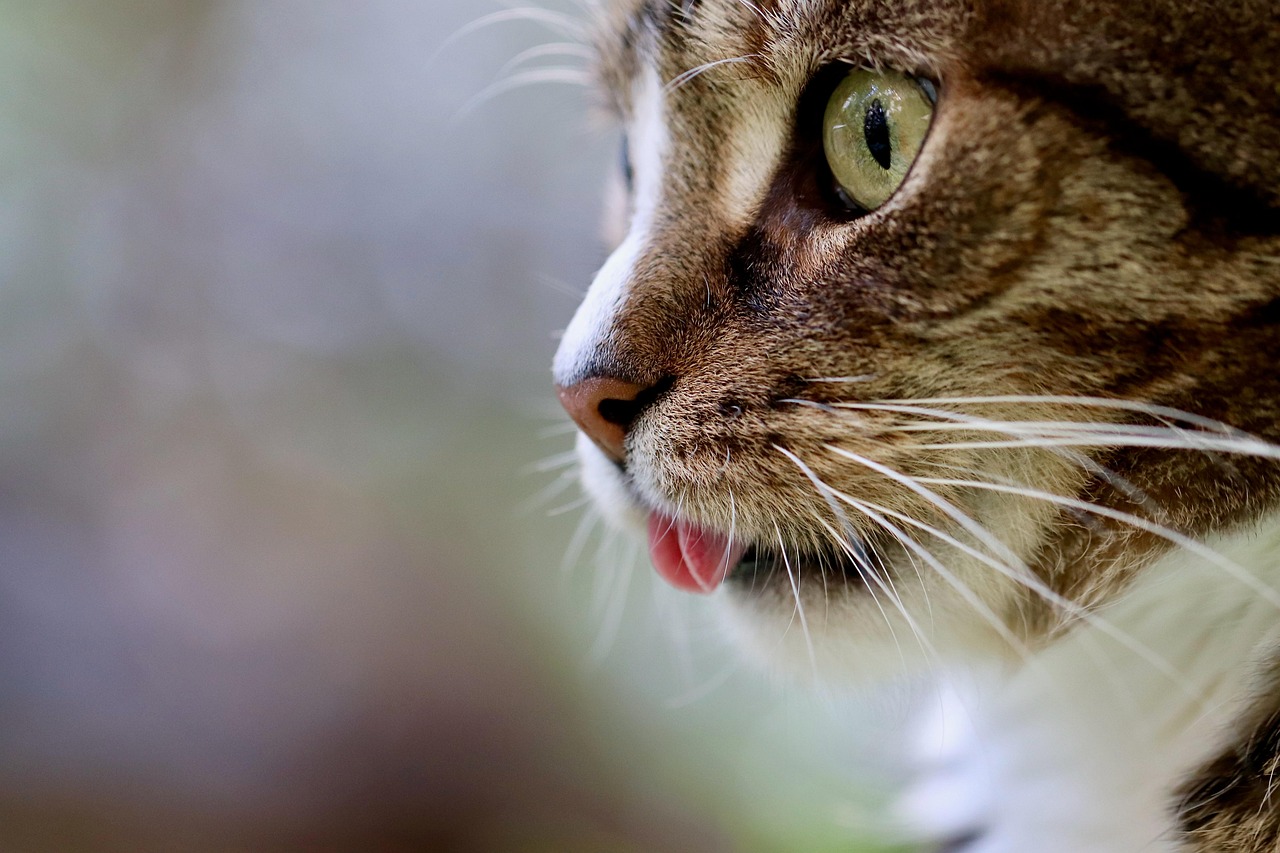

Cat Vaccination Coverage and Its Role in Preventing Common Feline Diseases
Cat vaccination is vital in ensuring the overall health of our feline companions. Vaccinating your cat not only protects them from various infectious diseases but also contributes to controlling the spread of these diseases in the cat population. Many owners may overlook vaccinations, believing indoor cats are safe. However, even indoor cats are at risk of contracting diseases through contact with other animals and humans. Vaccination helps in developing their immune system, equipping them to fight off infections. It is essential to understand the significance of a comprehensive vaccination schedule, which includes vaccines for feline viral rhinotracheitis, calicivirus, and feline panleukopenia. These core vaccines are highly effective in preventing serious health issues that affect overall quality of life and can lead to life-threatening situations if untreated. Regular consultation with a veterinarian can help in designing a tailored vaccination strategy for your cat. Each vaccination has specific timelines and boosters that must be adhered to for optimal effectiveness. Investing in your cat’s vaccination schedule is investing in their long-lasting health and happiness.
Understanding Feline Vaccines
Feline vaccines are divided into core and non-core categories, each playing a unique role in protecting your cat. Core vaccines are recommended for all cats regardless of their lifestyle. These typically include vaccinations against feline panleukopenia, feline herpesvirus, and feline calicivirus. Non-core vaccines, on the other hand, are given based on a cat’s risk of exposure and include vaccinations for feline leukemia virus and feline immunodeficiency virus. Understanding these categories is crucial for cat owners to ensure adequate coverage against potential health threats. It’s important to consult your veterinarian to determine which vaccines your cat needs based on their age, health status, and lifestyle. For instance, if you have a multi-cat household or plan to travel with your cat, additional vaccines may be required. Vaccination timing is also significant because some vaccines require a series of shots to be most effective. Missing these shots can leave your cat susceptible to diseases. Thus, developing a vaccination plan in line with your veterinarian’s advice is essential for maintaining your cat’s health.
The benefits of vaccinating your cat extend beyond the individual animal. Vaccination not only provides immunity to your cat but also helps in protecting the wider feline community. When a significant number of cats are vaccinated, herd immunity is created, reducing the incidence of contagious diseases within the population. This is particularly important in shelters, multi-cat households, and areas with a high density of unvaccinated cats. By vaccinating your cat, you contribute to the overall health of other cats in your community, thereby reducing the potential for outbreaks. Risks associated with failing to vaccinate your cat are extensive, leading to outbreaks of diseases that could be potentially avoided. Additionally, vaccines are generally safe and effective; adverse reactions are rare and typically mild. It’s much more beneficial to have your cat vaccinated than to risk their health on the possibility of disease. Regular check-ups will ensure that your cat remains healthy and up-to-date on shots. Investing in veterinary services for vaccinations is a responsible choice that reflects your love and care for your feline companion.
Common Feline Diseases Prevented by Vaccination
Vaccinations are crucial in preventing several prevalent feline diseases, such as feline viral rhinotracheitis (FVR), calicivirus, and panleukopenia. FVR can lead to severe respiratory issues and ultimately be fatal if not treated promptly. Calicivirus is another contagious virus that impacts the upper respiratory tract and can produce lesions in the mouth, causing significant discomfort. Vaccination against these common diseases not only protects individual cats but also plays an essential role in community health. Feline panleukopenia, often dubbed feline distemper, poses a significant risk, particularly to young kittens. It can quickly lead to severe illness or even death if not addressed. As highlighted, vaccinations generate immunity, preventing these diseases from becoming widespread within cat populations. Early detection through regular veterinary visits allows for timely vaccinations and helps maintain overall feline health. Furthermore, keeping a detailed vaccination record is beneficial for both your veterinarian and understanding your cat’s health history. Monitoring your cat post-vaccination for any unusual symptoms will ensure immediate attention to any potential adverse reactions.
While the benefits of vaccinations are clear, some cat owners still express concerns regarding vaccine side effects. It’s important to understand that vaccines undergo rigorous testing for safety and efficacy before becoming available. Most cats experience no or mild reactions to vaccinations, such as slight lethargy, decreased appetite, or swelling at the injection site. These side effects are manageable and typically diminish within a few days. Severe reactions are exceedingly rare and can be addressed by seeking immediate veterinary care. The health benefits of vaccination far outweigh the minor risks associated with it. For certain health conditions, it may be essential to weigh the pros and cons of vaccinating your cat with your veterinarian. Discussing your cat’s medical history is critical in assessing any specific risks or previous reactions. Your veterinarian can provide insights into the latest research and vaccinations available for your feline companion. Ongoing dialogue with your vet helps keep your cat healthy and vaccinated according to individual needs. Reassurance from a veterinarian can alleviate owner worries and strengthen the bond between cat owners and their furry companions.
The Role of Veterinarians in Vaccination
Veterinarians play a pivotal role in ensuring that cats receive proper vaccinations at the right times. They assess the overall health of your cat, recommend an appropriate vaccination schedule, and ensure all vaccinations comply with the latest veterinary guidelines. Keeping an accurate record of your cat’s vaccinations is vital for maintaining health and compliance, particularly when considering travel or stays at boarding facilities. Additionally, your veterinarian will inform you about vaccination options and any updates or recent developments in feline medicine. They will also educate owners regarding common feline health issues tied to vaccination delays or neglect. Regular wellness check-ups help veterinarians monitor for any health changes or needs for additional vaccinations. This proactive approach not only keeps your cat protected but also promotes a better quality of life. It’s important to establish a trustworthy relationship with your veterinarian, ensuring they understand your pet’s unique needs. By collaborating on your cat’s healthcare, you ensure a safe and healthy environment for your feline friend, ultimately leading to long-term benefits for both your cat and your household.
In conclusion, vaccination coverage for cats is essential in preventing common feline diseases and should not be underestimated. Regular vaccinations protect against serious illnesses that can disrupt your cat’s life and potentially involve costly veterinary treatments. Vaccinations are an effective way to protect individual cats while also ensuring herd immunity within communities. The decision to vaccinate should include consultations with qualified veterinarians to get personalized advice tailored to your cat’s specific needs and lifestyle. A commitment to an extensive vaccination schedule can significantly improve not only the health of your cat but also that of the feline community as a whole. Furthermore, proactive health care measures like vaccinations foster a healthy environment for interactions with other pets and humans. Given the potential seriousness of feline diseases, the advantages of vaccinations are clear. By keeping your cat up to date with their vaccines, you’re ensuring they lead a happier, healthier life. Working closely with your veterinarian will help safeguard your cat’s well-being today and into the future. Remember, preventive care is the best strategy for maintaining the happiness and health of your beloved feline friend.
Final Thoughts on Vaccination Coverage
Understanding the significance of cat vaccination coverage is essential for every cat owner. Vaccination is a proactive measure that protects your pet and contributes to a healthier feline population. As a responsible cat owner, you must prioritize your cat’s health by keeping up with the vaccination schedule recommended by your vet. Regular evaluations of your cat’s health status provide a pathway for tailored vaccination plans, ensuring that your cat receives all the necessary vaccines. The relationship between you and your veterinarian is fundamental; open conversation and guidance will yield better outcomes. Always remember that ensuring your cat’s health enables them to thrive in a safe environment. Take time to educate yourself on feline vaccinations and engage in remarkable health discussions with your vet. Investing in your cat’s health today will protect their well-being for years to come. Additionally, supporting local and national vaccination programs can contribute to broader feline health initiatives. Maintaining a proactive attitude towards your cat’s health will ensure they are more than just a pet; they become a part of your family.