
Understanding Waiting Periods for Chronic Kidney Disease Coverage in Cat Insurance
Navigating the world of cat insurance can be both overwhelming and crucial, especially when dealing with specific health conditions like chronic kidney disease (CKD). One key aspect that cat owners often overlook is the waiting period associated with such coverage. A waiting period is a set timeframe after purchasing an insurance policy during which claims cannot be made. Understanding these details can lead to better preparedness, especially since CKD is a prevalent issue in felines. For pet owners, while it isn’t possible to predict when their cat may develop a health issue, knowing the waiting period allows for informed financial decisions. Typically, waiting periods for pre-existing conditions are longer than those for new symptoms. Therefore, it is essential to read all terms and conditions thoroughly. Researching different insurance providers ensures you find appropriate coverage that fits your cat’s health needs. Asking potential providers directly about how they handle CKD and waiting periods will clarify what costs may arise. Careful research can lead to a well-informed choice that provides peace of mind regarding your cat’s health options.
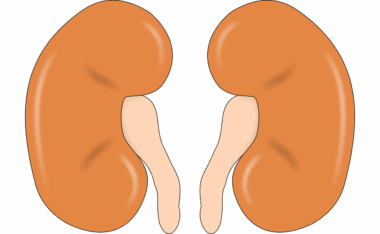
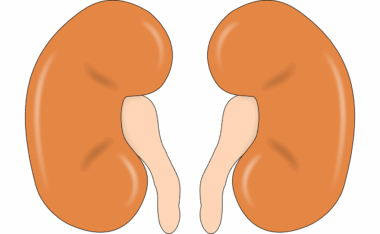
Before diving into the specifics of waiting periods for chronic kidney disease in cat insurance, it’s critical to address what chronic kidney disease actually entails. CKD is a progressive disease where the cat’s kidneys gradually lose function over time. Many cats, especially older ones, are susceptible to this condition. Symptoms often include increased thirst and urination, weight loss, and decreased appetite. Early detection is key to managing this illness effectively. Regular vet check-ups and blood tests can help in identifying early signs of CKD. This makes it vital to have an insurance policy in place before any symptoms arise. By having coverage in advance, owners can ensure that they are financially secure in the event their feline companions need kidney care. Additionally, it’s essential to check each insurance company’s specific terms concerning existing conditions. Some may not cover claims if a diagnosis was made during the waiting period. This underscores the importance of acquiring insurance before any indications of illness. Thus, planning can save time, money, and emotional stress for both cats and their owners.
Typical Waiting Periods for CKD Insurance
The waiting period for chronic kidney disease coverage in cat insurance can vary by provider and policy type. Generally, most insurance companies impose specific waiting periods ranging from 14 to 30 days after your policy begins. Some providers might even have longer waiting periods for chronic conditions like CKD. This means that if your cat shows any signs or gets diagnosed with CKD during this time, the insurance might not cover associated costs. Therefore, understanding your specific insurance policy’s waiting period is crucial. Aligning your pet’s health needs with the insurance policy’s guidelines can prevent unanticipated out-of-pocket expenses. Many owners ask if they can circumvent the waiting period by promptly getting insurance once a problem is noticed. However, providers often restrict coverage for pre-existing conditions. Hence, the earlier you obtain insurance, ideally before any symptoms start, the better your claim conditions will likely be. Consulting websites or professionals who specialize in pet insurance can help clarify waiting periods across different providers.
Chronic kidney disease is not only concerning due to its long-term implications but also because it can accumulate high medical bills if left unaddressed. Treatments for CKD can be extensive and may involve multiple vet visits, diagnostic tests, and sometimes, medication or dietary changes. This potential financial burden makes having insurance sound even more essential. Many pet owners may think they can wait for a diagnosis before purchasing insurance; however, this is not advisable due to waiting periods. Additionally, proactive steps can be taken to mitigate the impact of CKD on your cat’s health, such as regular veterinary visits and maintaining a nutritious diet. The importance of a healthy lifestyle cannot be understated in managing chronic diseases, including CKD. By securing insurance before any symptoms arise, owners can have the confidence to seek care when needed without the constant worry of the hospital bills. Furthermore, understanding your insurance’s specifics will help you make quicker decisions in times of stress should your cat become ill. Ultimately, it fosters a supportive environment for both the cat and the owner, ensuring the best possible health outcomes.
Consequences of Ignoring Waiting Periods
Failure to understand waiting periods when selecting cat insurance can lead to severe financial consequences. If a cat develops chronic kidney disease during the waiting period, the insurance provider might not honor claims related to that condition. This can result in a significant financial burden for the owner, who may then have to pay for treatments out-of-pocket. Additionally, if the issue progresses while waiting for coverage to commence, it might complicate later care options. Being unaware of these waiting periods can hinder timely treatment efforts, which in chronic conditions like CKD can be detrimental. Owners must review their policies thoroughly and factor in these waiting periods when planning care. It’s not uncommon for owners to switch providers; knowing their previous provider’s limitations can also be insightful. Some might find that their current insurance has unexpectedly high costs compared to those who prioritize coverage for pre-existing conditions. Therefore, staying informed will empower you to ask pertinent questions that lead to a beneficial policy for your cat’s future health needs.
Another layer of complexity arises for cat owners when addressing how chronic conditions influence premiums. It’s generally understood that pre-existing illnesses can lead to higher premium rates, especially with conditions such as chronic kidney disease, which late-stage treatment can be costly. Insurance companies assess the risk factors associated with CKD when determining premiums and might increase yours based on your cat’s health history. Keeping this in mind, it can be helpful to gather information on how major insurance brands assess rates in relation to chronic illnesses. Speaking to different professionals in the pet care field, such as veterinarians and insurance agents, will provide insight into how to navigate these challenges. Furthermore, it’s useful to inquire about discount policies or multi-pet insurance coverage that might alleviate cost burdens. Being proactive ensures better financial management and helps prevent surprise expenses. In light of the financial implications tethered to CKD treatment, securing a robust policy with manageable premiums before diagnosis is key in avoiding overwhelming bills and aligns with better health outcomes for your feline.
Conclusion and Key Takeaways
In conclusion, understanding waiting periods for chronic kidney disease coverage in cat insurance can have immense ramifications for your pet’s health and finances. Owners are encouraged to seek out comprehensive policies that address CKD, ideally before any related symptoms manifest. The key aspects to consider include the duration of waiting periods, financial implications tied to untreated CKD, and how existing conditions influence premiums and policy options. Candid discussions with insurance providers can help clarify these nuances. Investing time in research is invaluable and lays the foundation for a happier and healthier relationship with your feline companion. Ensuring your cat has coverage leads to fewer financial barriers when pursuing veterinary care for CKD. Thus, strengthening the bond and promoting more effective health management. Also, never overlook the possibility of a second opinion from your veterinarian regarding insurance options. Uniting proactive healthcare with a strong insurance plan can yield the best results for your beloved feline’s journey ahead. By following these simple steps, you ensure both longevity and quality of life for your cherished pet.
Lastly, as owners navigate insurance options, it is vital to keep an eye on advances in veterinary medicine concerning chronic kidney disease. Research is constantly improving; new treatment options can emerge, presenting happier outcomes for both pets and their owners. Many veterinarians themselves are adapting their practices to provide options that align with the latest standards in pet healthcare. Andrea Smith, DVM, points out that early intervention in CKD can create marked improvements in longevity and overall quality of life. Furthermore, owners should be prepared for potential life-altering decisions regarding their pet’s health and care. By staying informed about latest treatments and their associated costs, a pet owner can negotiate better insurance options tailored to contemporary veterinary practices. This knowledge eradicates uncertainties regarding what is covered and enriches the relationship between pet and owner. Consequently, remaining actively engaged in both the insurance realm and your cat’s veterinary care can empower you to enhance your feline’s welfare continually. Therefore, be diligent, informed, and proactive, guaranteeing that you will provide your furry friend the best chance for a healthy and fulfilling life.