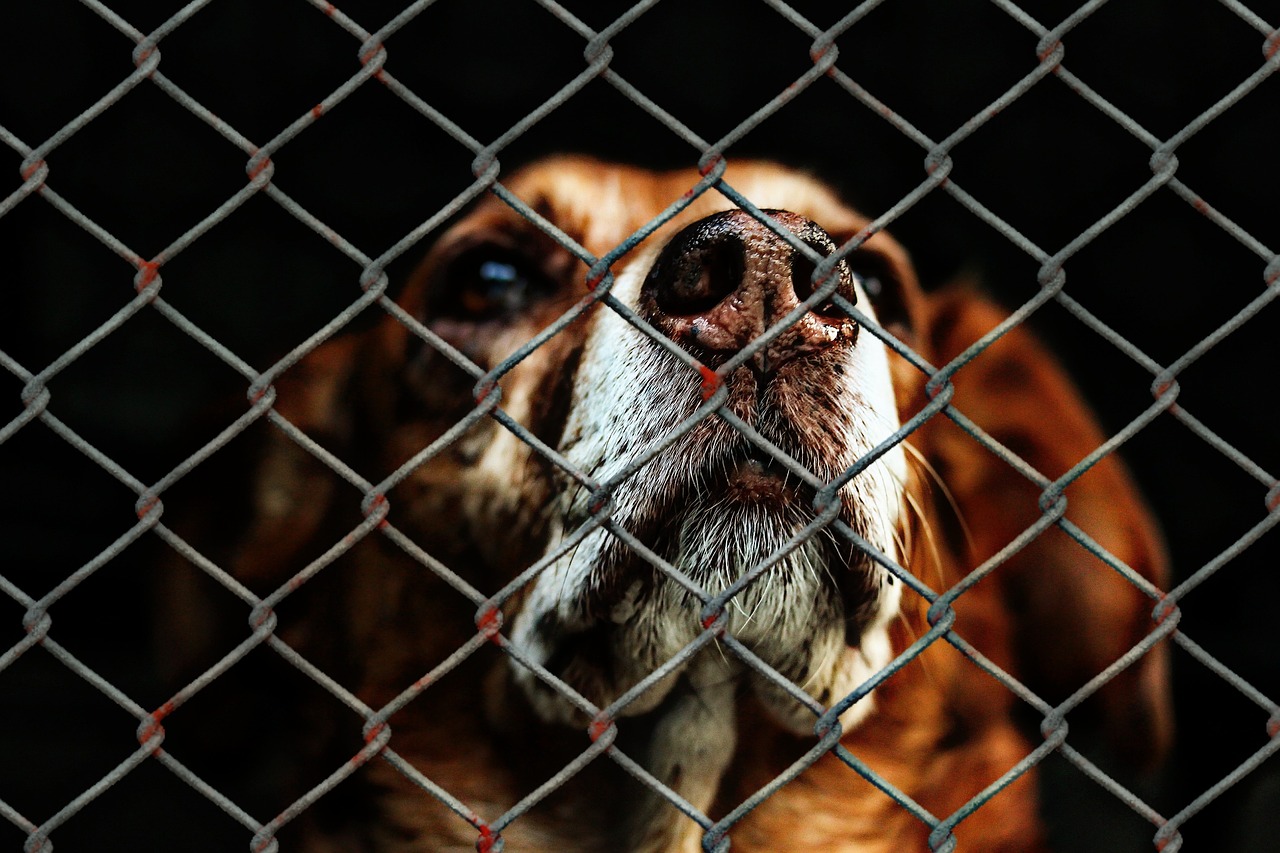

The Role of Shelter Medicine in Improving Rescued Dog Health
Shelter medicine is a specialized field focusing on the health and welfare of animals in shelters and rescue organizations. It plays a crucial role in improving the health conditions of rescued dogs who may have experienced neglect, abuse, or abandonment. These animals frequently arrive at shelters with a variety of health issues, including infections, parasites, and malnutrition. Through the application of shelter medicine principles, veterinarians assess and manage these challenges effectively. This involves not just treating illnesses but also implementing preventive healthcare measures, such as vaccinations and spaying or neutering, to enhance the overall wellbeing of these dogs. Furthermore, shelter medicine promotes co-management protocols that connect animal welfare practices with public health. By doing so, it addresses broader issues like zoonotic disease prevention and community education on animal care. Dedicated shelter veterinarians often form partnerships with local veterinary clinics and animal organizations, creating programs that sustainably support rescued dogs. This mobilization of resources is pivotal in ensuring rescued dogs receive the comprehensive healthcare they need to thrive in loving homes.
Veterinary care is vital for improving the overall health conditions of rescued dogs in shelters. Regular health check-ups, vaccinations, and screenings for common diseases are essential practices that help veterinarians track and improve animal health. Moreover, these practices enable shelters to develop tailored care plans for each dog. For example, knowing specific medical histories allows for proactive treatment strategies aimed at managing chronic conditions prevalent in some breeds. Another crucial aspect of shelter medicine is the effective management of the stress these animals experience. Shelter environments can be overwhelming for dogs, and stress can lead to behavioral issues along with health complications. To combat this, shelter medicine emphasizes behavioral assessments and stress-relief strategies. Techniques such as socialization programs, enrichment activities, and calming environments are effective in reducing anxiety levels in dogs. This, in turn, promotes healthier behaviors and increases their chances of adoption. Implementing a behavioral health plan in conjunction with medical treatment provides a comprehensive approach to restoring the health of these dogs, ultimately preparing them for their future homes.
Preventive Health Strategies
Preventive healthcare strategies are foundational in shelter medicine, significantly improving the lifespan and quality of life for rescued dogs. Early interventions and vaccinations help combat common diseases that affect canines in shelters, like parvovirus or kennel cough. Understanding the vaccination schedule is essential for all shelter staff, ensuring that each dog receives timely immunizations. Another preventive strategy involves spaying or neutering dogs, which reduces unwanted litters and lowers the risk of certain health problems, including cancers. This practice also contributes to a reduction in the number of animals in shelters. Nutrition is another factor to consider; providing balanced diets tailored to individual needs can dramatically impact the health of rescued dogs. Furthermore, regular deworming and flea control are also necessary preventive measures to maintain a dog’s health and comfort. Shelter staff often collaborate with veterinarians to determine the best diet plans and supplemental nutrition when necessary. This multifaceted approach enables shelters not just to address urgent health concerns but to create an environment where rescued dogs can achieve optimal health moving forward.
In addition to preventive health strategies, shelter medicine strongly emphasizes mental health and emotional wellbeing. Many rescued dogs arrive at shelters displaying signs of behavioral problems stemming from their traumatic pasts. Addressing these behavioral issues is essential to their rehabilitation and successful rehoming. Shelter veterinarians typically work closely with animal behaviorists to develop effective intervention plans tailored to individual dogs. Techniques such as positive reinforcement training help reduce anxiety and stress while promoting desirable behaviors. It is crucial that shelter staff understands the importance of socialization and training, as these factors significantly affect the adoption process. Dogs that display sociable and manageable behaviors are more likely to be adopted into loving homes. Furthermore, fostering a positive environment within the shelter can enhance the psychological wellbeing of the animals. This can be achieved by providing adequate space, toys, and opportunities for exercise. Various enrichment strategies encourage dogs to engage in natural behaviors and help alleviate boredom, which ultimately improves their mental health. Elevated emotional health ensures that when these dogs do find homes, they adapt easier and thrive in their new environments.
Collaboration with Local Veterinary Services
Collaboration between shelters and local veterinary services is an essential component of effective shelter medicine. Strong partnerships facilitate access to a broader range of medical resources and expertise, which is crucial for improving the health of rescued dogs. Local vets often provide essential services such as spaying and neutering, vaccinations, and surgical interventions at reduced rates or as community outreach programs. These collaborations can help relieve some of the financial burdens on shelters faced with limited budgets. Moreover, fostering relationships with local veterinary schools can lead to additional resources beyond just expertise. Veterinary students gain hands-on experience while assisting in shelter medicine programs. As part of their training, they learn about the unique challenges faced in shelters such as managing the overall health and well-being of the population. Additionally, continuing education programs for shelter staff offered by veterinary professionals can enhance skills and knowledge for better animal care practices, promoting a culture of continuous improvement. These efforts create a well-rounded support system that ultimately benefits not just the dogs but the entire community.
Community involvement is crucial in supporting shelter medicine initiatives aimed at improving the health of rescued dogs. Engaging with community members promotes awareness of animal welfare issues and encourages responsible pet ownership. Educational programs conducted by shelters can effectively create awareness on the importance of spaying and neutering their pets, as well as responsible breed selection. Community outreach events also help bring together volunteers who assist with shelter operations, foster care, and adoption. This further demystifies the rescue process and cultivates a culture of empathy towards abandoned or neglected animals in need of care. Volunteers often play vital roles in the socialization and training of rescued dogs, making their transition to adoption smoother. By fostering strong ties with local communities, shelters can build networks of support that lead to a sustainable future for rescued dogs. This includes securing donations for medical supplies, food, and other resources necessary for ongoing care efforts. Ultimately, a community that understands and supports shelter medicine practices ensures that rescued dogs receive the optimal care they need to lead healthy and fulfilling lives in loving homes.
Measuring Success in Shelter Medicine
Measuring the success of shelter medicine programs is essential in understanding their impact on the health of rescued dogs. Utilizing data-driven metrics can provide insights into the effectiveness of medical interventions and overall animal welfare. Common metrics include adoption rates, return-to-owner statistics, and health improvement outcomes in sheltered populations. Analyzing these indicators helps identify best practices in shelter medicine and highlights areas needing enhancement. For instance, a high adoption rate combined with low return rates signifies that the shelter’s rehabilitation processes, including behavioral interventions, are effective. Moreover, continued tracking of health improvements in rescued dogs can showcase the success of preventive healthcare strategies like vaccinations and spaying/neutering programs. Collecting and publicly sharing this data not only advocates for transparency but also encourages community support and involvement in shelter activities. Implementing standard operating procedures based on these metrics can streamline processes and empower shelter staff to deliver quality care. Celebrating the successes achieved through shelter medicine reinforces the importance of continuous improvement and innovation in animal welfare efforts. Efforts made today pave the way for a better future for all rescued dogs.
Advancements in technology and veterinary medicine continue to enhance shelter medicine practices, contributing significantly to improved outcomes for rescued dogs. New diagnostic tools, such as portable ultrasound machines and advanced imaging technology, allow for earlier detection of health issues. This leads to timely interventions that can greatly improve prognosis and health outcomes. Furthermore, telemedicine is gaining traction in sheltering practices, permitting veterinarians to remotely assess animals and provide care advice. Adoption of electronic record-keeping systems also streamlines the management of medical histories and vaccination schedules. This technological integration not only benefits rescued dogs but also increases efficiency within shelter operations. Continuous training and familiarization with emerging technologies empower shelter staff to provide optimal care and improve their skills. Additionally, shelters can leverage social media to promote adoption events and raise awareness about animal rights issues while sharing success stories that inspire community support. Engaging the community through online platforms fosters a sense of connection and responsibility. By embracing innovation and technology, shelters can further enhance animal healthcare and elevate the standard of care for the well-being of rescued dogs in their care.