
Role of Socialization in Developing Canine Vocalizations and Communication
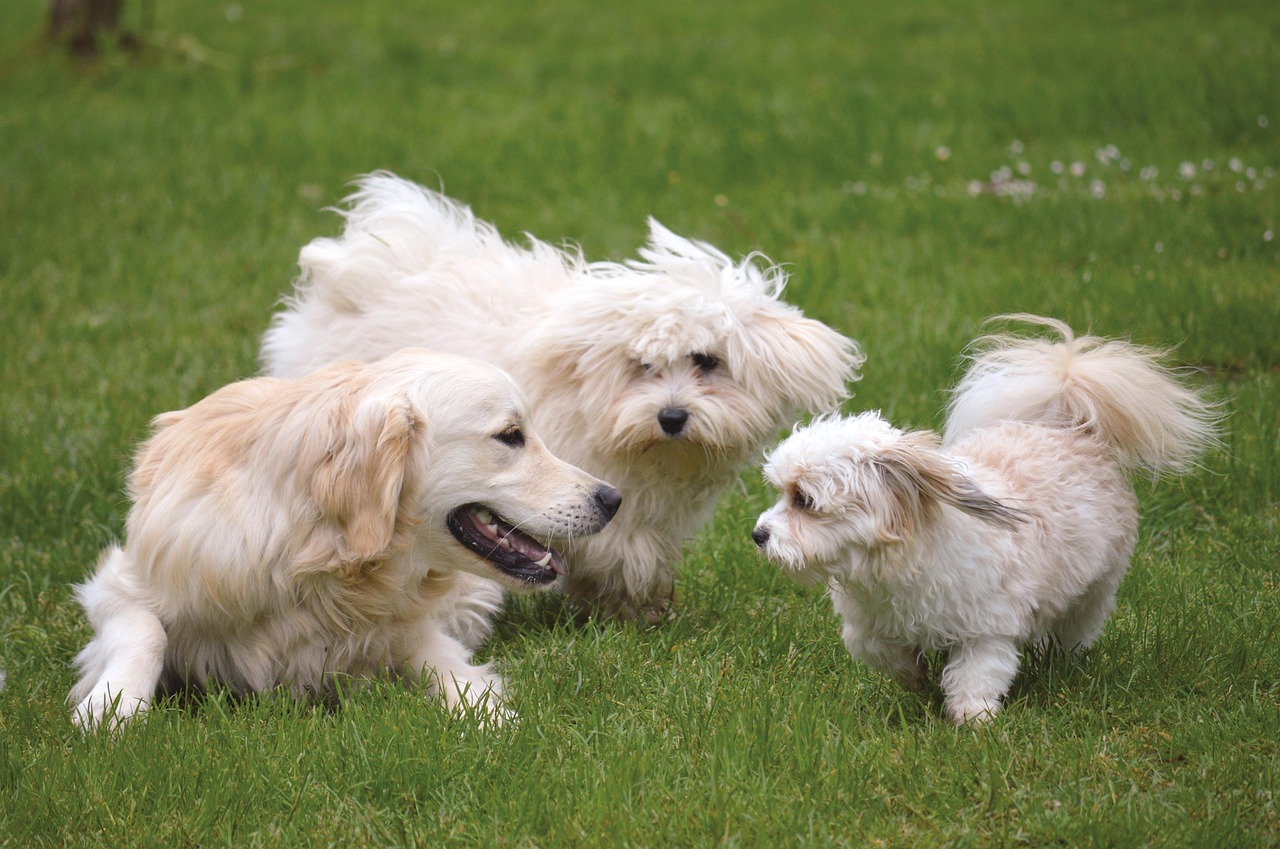
Socialization plays a vital part in shaping a dog’s ability to communicate effectively with humans and other animals. Through early interactions with various environments, people, and other dogs, puppies learn to express themselves using vocalizations that convey their feelings more accurately. This process starts during their critical developmental stages and greatly affects how they respond to different stimuli later in life. A well-socialized dog is less likely to develop anxiety or fear-related behaviors, which can often lead to inappropriate vocalizations like excessive barking or whining. Positive social experiences will also help puppies develop confidence and empathy, which significantly influences their communication skills. Furthermore, dogs that lack proper socialization may struggle to understand social cues when interacting with others. They might misinterpret friendly gestures as threats, resulting in reactive barking or growling. It’s essential for dog owners to invest time in socialization practices, as these will promote better adjustments to different social situations. Engaging them in group classes or playdates can be an excellent way to facilitate these experiences, allowing dogs to explore their social environment while effectively expressing themselves.
During the initial stages of a puppy’s life, socialization significantly impacts vocalization patterns. Puppies exposed to various sounds and environments during their formative months tend to develop a better understanding of vocal communication. Socialization helps normalize their response to different stimuli, such as loud noises or unfamiliar animals, influencing their barking and growling habits. Studies have shown that well-socialized dogs vocalize more appropriately when faced with new situations. This means they are less likely to react with fear or aggression, opting instead for bark signals that allow them to communicate intent. Proper socialization can reduce unnecessary barking by equipping them with the skills to navigate various social settings effectively. Again, the role of positive reinforcement cannot be understated, as praise for appropriate vocalizations encourages dogs to use their barking constructively rather than excessively. Owners should aim to expose their dogs to different environments and people, focusing on creating a positive atmosphere throughout the training process. As a result, the combination of socialization and training enables dogs to become more articulate communicators, increasing their ability to connect with their human companions.
The Connection Between Socialization and Behavioral Outcomes
The relationship between socialization and behavioral outcomes for dogs hinges on their ability to communicate as their confidence grows. Dogs, like humans, often display behavioral traits shaped by their experiences and environments. Socialized dogs generally exhibit more balanced behavior, as interactions with various individuals and animals teach them how to read and respond to social cues. As they engage with others, they develop vocalizations that are more contextually appropriate, such as barking to greet rather than alert. Over time, effective socialization influences how canines perceive threats, leading them to use vocal expressions like growls or barks judiciously. Unsocialized dogs, in contrast, may struggle to navigate social situations and communicate effectively. The lack of exposure can breed anxiety, resulting in habits like excessive barking driven by fear or confusion. Consequently, the ability to vocalize appropriately can dictate behavioral outcomes. Regular and varied interactions during puppyhood foster an understanding that vocalizations can express a range of feelings—from excitement to fear. With consistent social experiences, owners can help cultivate a dog that communicates effectively in various environments.
Moreover, the impact of socialization extends beyond simple vocalizations; it influences the way dogs communicate with their body language. For instance, a dog that has had positive experiences with others learns not only how to bark but also when to combine vocalizations with physical cues. These ensure more effective communication, as most dogs utilize whole-body expressions alongside barks or growls to convey messages. Socialization teaches them to use their tails, ears, and posture, which accompany vocal cues, facilitating optimal communication with humans and fellow canines. In a stressful situation, a socialized dog might bark out of excitement, conveying enthusiasm rather than aggression. In contrast, a less socialized dog may misinterpret similar scenarios and respond with fearful vocalizations, indicating distress and anxiety. Therefore, combining vocalizations with physical behavior greatly enhances their communication toolkit. An effective socialization program incorporates not only vocal sounds but also encourages dogs to exhibit appropriate body language aligned with various situations. As they communicate more effectively, they develop healthier relationships with their environment, which translates to calm, confident behavior.
Exploring Communication Styles in Socialized Dogs
Socialized dogs adopt various communication styles based on their individual experiences and interactions. The diversity in canine vocalizations can be attributed to their personality traits and how they were socialized during their formative years. For instance, some dogs naturally vocalize more than others; vocalization frequency often correlates with their socialization experiences. Dogs that encounter both positive and negative stimuli learn distinct responses to similar environments, negotiating their vocal expressions accordingly. A well-rounded approach to socialization encourages these dogs to develop a versatile communication style. Despite their differences, many dogs make use of common vocalizations that express greetings, barriers, or discomfort. New dog owners should familiarize themselves with their pet’s unique communication traits and observe how these evolve as their socialization persists over time. Listening attentively to a dog’s vocalizations allows owners to decipher their feelings and thoughts more effectively. By understanding a dog’s emotional state, owners can better address their needs and foster a nurturing environment where their pets feel safe. Thus, a dog’s communication style is influenced significantly by both personal traits and the broader impact of early socialization experiences.
This level of responsiveness highlights the importance of consistent training and continued socialization throughout a dog’s life. While early experiences are crucial, ongoing opportunities for social interactions can further enrich a dog’s communication skills. Engaging in community events, classes, or simply allowing interactions with various people and other dogs will strengthen their ability to communicate. Such situations provide real-time feedback, where positive reinforcement for appropriate vocalizations enhances their confidence. Dogs capable of reading and responding to body language and vocal tones can effectively articulate their emotions, creating smoother relationships with their owners and peers. Ultimately, this ongoing learning journey continues to shape and refine a dog’s communication abilities long after puppyhood. Appropriately socializing dogs reflects positively on their behavior, enabling owners to recognize and address their needs promptly. By understanding how socialization directly influences vocal expressions, owners can curate experiences that align their dogs with calmer, well-adjusted dispositions. In turn, this leads to more harmonious living experiences, as properly socialized dogs become a source of joy and companionship for their families.
Conclusion: Enhancing Communication Through Socialization
In conclusion, socialization plays a pivotal role in developing canine vocalizations and communication skills. Positive social interactions during early development equip dogs with the tools to express themselves effectively. This development minimizes the likelihood of excessive vocalizations stemming from anxiety or confusion, improving their behavioral outcomes. By fostering better communication, socialization enhances the bond between dogs and their owners, resulting in better shared experiences. Owners are encouraged to prioritize early and continued socialization practices. Engaging dogs in diverse environments instills confidence, allowing them to grow into articulate communicators. Furthermore, improving their communication styles enhances their relationships with humans and other animals alike. Understanding the subtle intricacies of a dog’s vocal language can unlock deeper connections, strengthen bonds, and improve overall behavior. This lifelong journey of learning encourages responsible dog ownership, as owners educate themselves about their dog’s needs and fears. As communication improves, so do the relationships they share with their dogs. Investing in socialization not only benefits a dog’s life significantly but also enriches the experiences they share with their families and community.
In essence, socialization is an ongoing responsibility of dog owners, ensuring that their pets are prepared to face the world. This ongoing responsibility fosters the relationship between the dog and owner, leading to joyful experiences for both. As dogs navigate through their environments, the ability to communicate effectively becomes a precious tool for mutual understanding. This understanding can keep dogs safe, confident, and vital in various scenarios. Therefore, implementing methods that promote sound socialization skills will yield profound rewards for dog owners. They can achieve the goal of nurturing happy, content, and communicative companions through these efforts. Dogs that thrive in social environments are typically more adaptable and can manage new situations better. Their vocal responses become a reflection of their personalities and experiences, reassuring their owners of their well-being. Furthermore, well-socialized dogs bring peace and joy into families, reducing the chances of behavioral issues significantly. As a result, socialization remains essential in dog ownership, ensuring that each furry companion leads a joyful and fulfilling life alongside their human partners.