
The Role of Dogs in Hunting: Legal Perspectives and Regulations
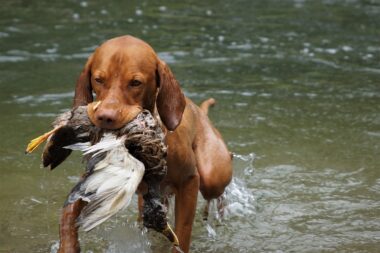
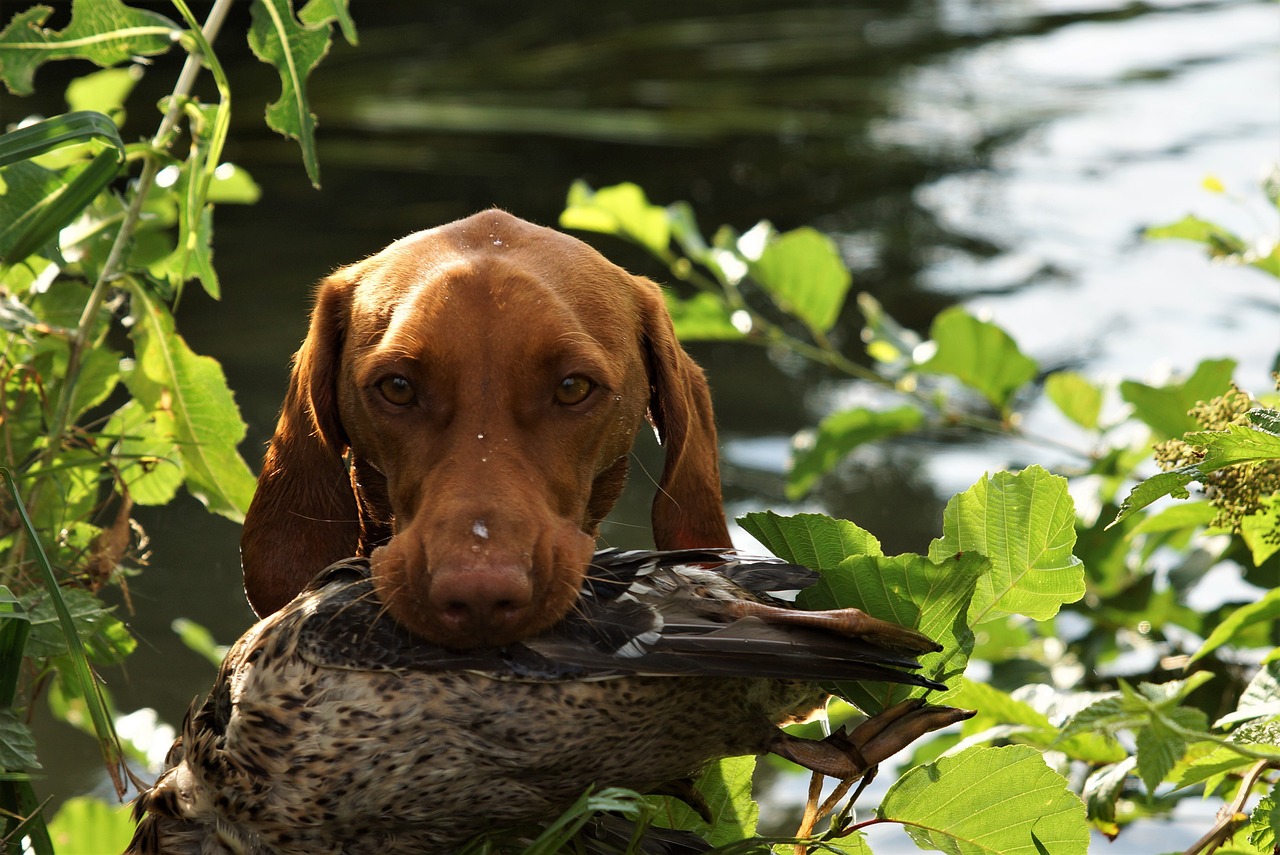
Dogs have played an integral role in hunting for centuries, assisting hunters by retrieving game, tracking scents, and even flushing out birds. Their keen sense of smell and loyalty make them ideal companions for this pursuit. However, the use of dogs in hunting is governed by a variety of laws and regulations that differ significantly from one region to another. Understanding these laws is crucial for both hunters and dog owners. These regulations often dictate what types of dogs may be used, the hunting seasons, and the specific game species that can be pursued. Violating these laws can lead to serious legal repercussions, including fines or loss of hunting licenses. Therefore, it is advisable for hunters to familiarize themselves with the local regulations before engaging in hunting activities. Safety is also paramount, as using dogs in hunting can sometimes put them in dangerous situations. Proper training and adherence to legal guidelines are essential to ensure that dogs can safely and effectively assist in hunts without infringing on wildlife or local laws.
In many areas, hunting with dogs is not merely a tradition but also a necessary practice for wildlife management. In some regions, hunting helps control populations of certain species that may otherwise overpopulate. Laws regulating dog hunting not only aim to ensure ethical practices but also strive to maintain a balance in local ecosystems. For instance, dog breeds used for tracking or retrieving game must be suited for the type of terrain and the specific animal they are hunting. Regulatory agencies may also impose restrictions on training methods to prevent cruelty to animals. Additionally, there are often set times when dogs can be used in certain hunting activities. These designated seasons allow wildlife populations to recover and ensure sustainable hunting practices. Local hunters often work with wildlife conservationists to develop these regulations. They are critical in promoting responsible hunting methods that respect natural habitats and wildlife. Failure to comply with these frameworks leads to increased penalties and the potential loss of hunting privileges, emphasizing the importance of understanding and respecting hunting laws.
State-Specific Laws for Hunting Dogs
The laws surrounding dog hunting can vary markedly from state to state, reflecting local customs, wildlife needs, and cultural attitudes toward animals. For example, some states have strict leash laws that require hunters to keep their dogs on a lead when not actively hunting. Conversely, other states may allow hunting dogs to roam freely within specific zones. These differences highlight the importance of being informed about local regulations before embarking on a hunting trip with dogs. Also, certain breeds may be deemed unsuitable or banned in specific areas, either to protect wildlife or to ensure overall public safety. As a result, hunters should verify the legal status of their chosen breed, including potential limitations on the number of dogs that can be used. Engaging in illegal hunting practices can not only lead to fines but also tarnish the reputation of responsible hunters and dog owners. Therefore, it is vital to stay alert to any changes in state laws regarding hunting dogs, as these laws can evolve due to environmental and cultural factors.
Another dimension of hunting laws is the requirement for proper licensing. Most regions necessitate that both the hunter and the dogs used must be registered with the appropriate wildlife authorities. An up-to-date hunting license often reflects the number of dogs a hunter can use, as well as any special permits required for hunting specific game. Regular checks and balances are typically in place to ensure compliance with these regulations. Failure to have the proper documentation can result in hefty fines and other penalties, further complicating the hunting experience. Additionally, some areas may require proof of the dog’s health and vaccination records before they are permitted to participate in hunting activities. These requirements are in place to protect both the dogs and wildlife populations, ensuring that hunting remains a sustainable practice. If hunters wish to train their dogs for hunting purposes, they must also look to local laws regarding training practices and methods. Negotiating the regulatory landscape is crucial for any seasoned hunter who wishes to legally and ethically pursue the sport.
Safety Measures for Hunting Dogs
As much as dogs contribute to the thrill of the hunt, safety measures for these animals should never be overlooked. Proper safety precautions must be taken to ensure both the well-being of the dogs and the hunters. For instance, ensuring that the dog is adequately trained can prevent accidents that might arise during a hunt. Additionally, it is crucial for hunters to equip their dogs with the appropriate safety gear, including reflective collars or vests. These items can help make dogs more visible in dense wilderness or low-light conditions. Regular veterinary check-ups are also essential to identify any potential health issues that could interfere with a dog’s ability to hunt. Furthermore, hydration and nutrition should not be overlooked; hunters should carry ample water and food for their dogs to keep them energized during long hours outside. Many states have laws in place requiring that hunting dogs remain under control, thus preventing them from wandering off and potentially getting lost. Compliance with these safety guidelines is not only a legal necessity but also an ethical obligation for every responsible hunter.
Moreover, hunters should be aware of the local wildlife and the potential dangers that may exist in the area they are hunting. Certain species, including snakes or large predators, can pose threats to dogs in the field. Being informed about these dangers helps hunters take necessary precautions and minimize risks. Another important aspect is the potential for encounters with other hunters; ensuring that dogs are well-trained to respond to commands can reduce the likelihood of frightening other animals or causing conflicts. In addition, leash laws are crucial in preventing dogs from getting lost or injured during a hunt. Knowing when to use a leash and when to let a dog roam freely is essential for a successful and safe hunting experience. Always keep in mind that dogs are not only hunting companions but also family members. As such, any situation that could jeopardize their safety and well-being should be managed with utmost care and responsibility. Responsible hunting is an enjoyable activity, but it involves adhering to laws and regulations designed to protect both participants and animals alike.
Conclusion: Responsible Hunting Practices
Ultimately, the role of dogs in hunting encapsulates a significant aspect of our cultural heritage, underscoring traditions of companionship and teamwork. However, these practices should always be supported by knowledge of legal parameters and ethical standards. The regulations surrounding dog hunting serve not only to protect wildlife but also to preserve the sport for future generations. Awareness of permits, leash restrictions, and seasonal laws is crucial for ensuring compliance with local regulations. Additionally, responsible dog ownership must incorporate training, safety measures, and health considerations for the dogs involved. The mishandling of hunting activities can tarnish community perceptions of hunting, often painting the entire practice in a negative light. By collaborating with wildlife managers and staying informed about changes in hunting laws, dog owners and hunters can positively contribute to conservation efforts while enjoying this traditional sport. By focusing on these responsible practices, both dogs and hunters can thrive in outdoor activities without infringing upon the rights of wildlife. This highlights the importance of being attentive to laws, regulations, and ethical considerations in all of our hunting ventures.
The relationship between dogs and hunting is a reflection of deeper connections we share with nature. Our commitment to ethical practices can ultimately shape the way these bonds are viewed by future generations. By ensuring the guidelines for hunting with dogs are respected, we promote a culture of awareness and accountability that enhances the sport of hunting.