
Exercise Guidelines for Puppies vs Adult Dogs
Regular exercise for dogs is essential for their health and well-being. Puppies require different exercise routines than adult dogs. For puppies, short and frequent bursts of playtime help develop their physical and mental skills. It keeps them active, well-balanced, and less prone to behavioral issues. Engaging in interactive games like fetch or tug-of-war can provide the needed physical stimulation, while basic training can enhance their mental agility. However, it’s crucial to avoid over-exertion, as their bones and joints are still developing. Establishing a routine that accommodates their energetic nature is vital for puppy growth.
Adult dogs typically have a well-defined exercise regimen that varies by breed, age, and health status. Most adult dogs benefit from daily moderate exercise lasting 30 minutes to two hours. Activities such as brisk walks, jogs, or swimming can significantly improve their cardiovascular health. Dogs with higher energy levels, like Border Collies or Retrievers, require more extensive physical engagement to keep them mentally stimulated. Additionally, ensuring their wellbeing through socialization with other dogs can enhance their mental health, promoting a harmonious behavior over time. Owners should tailor activities based on their dog’s individual needs and preferences.
Physical Health Benefits
Engaging in regular exercise plays a vital role in promoting dogs’ physical health. For both puppies and adults, staying active assists in weight management, reducing the risk of obesity. Exercise helps bolster cardiovascular health, builds muscle tone, improves flexibility, and strengthens bones. Adult dogs, particularly, benefit from activities that increase stamina and endurance, enhancing their overall quality of life. Moreover, exercise supports the efficient functioning of various body systems, including the digestive and metabolic systems. Encouraging engagement in interactive play also leads to significant behavioral improvements, resulting in a happier, better-adjusted companion.
While both age groups enjoy physical benefits, puppies gain extra advantages as their bodies develop. Regular exercise helps puppies build coordination and balance, essential for their growth and mobility. The play stimulates their socialization skills, as they learn to interact with different environments and other dogs. Consequently, early exposure to various surfaces, sounds, and sights contributes to their overall adaptability. Moreover, ensuring their engagement with various animated objects can help develop their hunting instincts, creativity, and problem-solving skills. However, monitoring their exercise levels is crucial to prevent injury associated with overexertion.
Mental Stimulation and Bonding
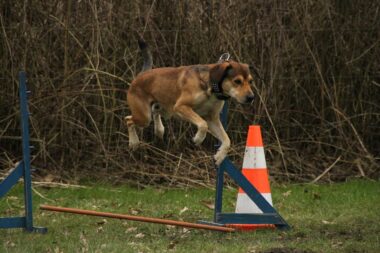
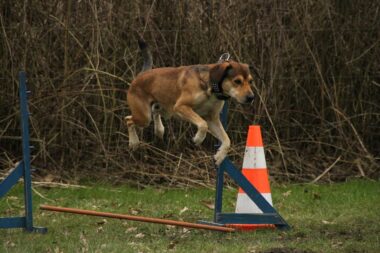
Physical activity is fundamental for successful dog training. Regular exercise helps stimulate their minds, reducing anxiety levels, and combatting behavioral issues. It’s essential to include training sessions as part of their exercise routines. Teaching commands, tricks, or engaging in agility training can provide effective mental stimulation while strengthening the bond between the dog and its owner. This positive interaction reinforces trust and companionship, ensuring a healthy emotional connection. Furthermore, socializing with other dogs can enhance cognitive skills, as dogs learn to navigate different dynamics and develop essential life skills.
Providing an ideal mix of exercise and mental stimulation is key. In addition to physical activities, incorporating agility courses, puzzle games, or scent-based games can challenge their minds. These activities enhance their intelligence, improve problem-solving capabilities, and help build confidence. Such a combination of physical and mental engagement encourages their natural curiosity and motivation to explore. By creating a stimulating environment, owners can prevent boredom, promote a peaceful household, and minimize destructive behaviors. Ensuring a comprehensive approach to a dog’s exercise needs will significantly enhance its overall wellbeing and the happiness of both parties.
Conclusion
Recognizing the differing exercise needs of puppies and adult dogs enables owners to foster a healthier lifestyle for their pets. Regular exercise is fundamental to both components of their health, physical and mental. Adequate activity not only promotes physical fitness but also encourages stronger connections between dogs and their owners. By understanding specific needs and designing appropriate routines embracing both play and training, owners can cultivate positive habits for their furry companions. Ultimately, engaging in regular vet visits ensures that exercise regimens remain in line with any health considerations, ensuring a happy, healthy pet.
Regardless of the dog’s age, exercise remains a non-negotiable aspect of responsible pet ownership. Both puppies and adult dogs thrive on the inclusion of physical activity in their daily lives. Tailoring routines that fit their personalities while ensuring both mental and physical objectives are met creates a fulfilling experience for pet owners and their furry friends. This commitment to their holistic needs fosters lasting relationships and nurtures their overall quality of life, enriching their shared journey together.