
Balancing Socialization and Training: Finding the Right Approach
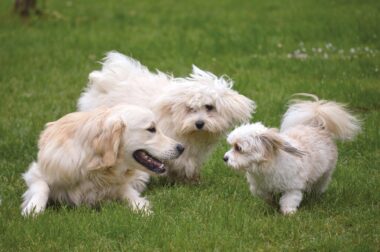
In dog training, socialization is a fundamental skill that every dog needs. It involves exposing puppies and older dogs to various environments, people, and other animals. This exposure is essential for developing a well-adjusted and confident pet. When dogs are well-socialized, they learn to respond appropriately to different situations. They become more relaxed in new scenarios, minimizing the chances of anxiety or aggression. Moreover, socialization skills help dogs communicate effectively, both with humans and other animals. When a dog understands social cues, it’s less likely to react negatively. Early socialization can significantly reduce behavioral issues in adulthood, making training easier. Owners should start socializing their dogs as early as possible and seek positive experiences. This can involve puppy classes, trips to parks, or playdates with other dogs. It’s crucial, however, to ensure these interactions remain positive and nurturing. Avoid negative experiences during the crucial period of socialization, as they can lead to fear and anxiety. Owners play a significant role in creating positive experiences that foster healthy social skills in their companions.
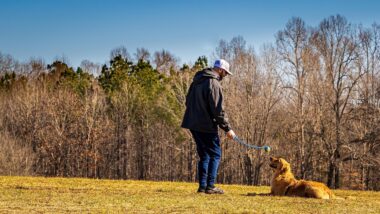
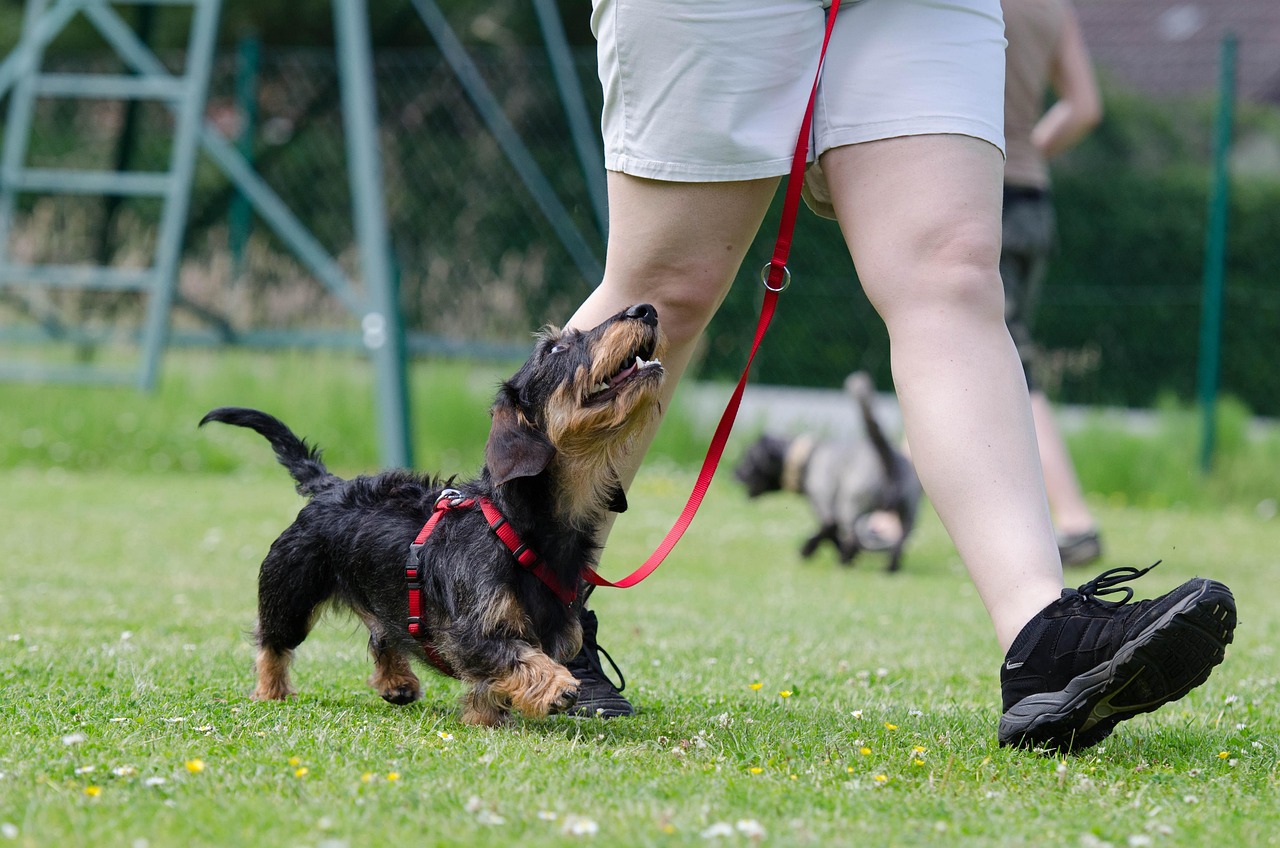
Effective training goes hand in hand with socialization, reinforcing skills learned in diverse contexts. While training involves teaching commands and obedience, socialization focuses on behavioral adaptations to varying circumstances. A well-rounded approach blends both elements, providing dogs the framework to thrive in social interactions. Training should ideally start early, combining essential obedience lessons with exposure to various environments. For instance, while training your dog to sit, practice in parks, busy streets, or family gatherings. This diverse approach ensures your dog does not merely learn commands but applies them appropriately in real-world situations. Consistency is vital; use the same commands during training sessions, and reward positive behavior with treats or praise. Positive reinforcement can dramatically enhance learning, encouraging dogs to replicate desirable behaviors. Owners must also recognize their dog’s individual pacing; not all dogs will respond equally during socialization. A balance between patience and persistence is required to harmoniously integrate training and socialization. Observing your dog’s comfort level in different situations contributes to effective learning, illuminating the path toward a confident and well-mannered pet.
Common Challenges in Dog Training and Socialization
When integrating training and socialization, various challenges may arise. Some dogs are naturally more anxious, making social situations especially daunting. To assist these dogs, owners should introduce new experiences gradually. This method offers them time to acclimate, reducing stress levels. On the other hand, overly boisterous dogs may struggle with self-regulation in social situations. It becomes essential, in such cases, to focus on teaching impulse control. Commands like ‘sit’ and ‘stay’ can serve as initial steps to instill appropriate behavior during interactions. Additionally, distractions such as loud noises or unfamiliar environments can inhibit training efficacy. Owners should prioritize consistency in training amidst these distractions to maintain a dog’s focus. Sometimes, a situation may escalate beyond the owner’s control; recognizing when to retreat is essential. If a social interaction leads to aggressive behavior or undue stress, removing the dog from the environment can be beneficial. Seeking professional assistance from trainers can also offer additional guidance on addressing these challenges. Ultimately, understanding each dog’s unique temperament contributes significantly to balancing training and socialization effectively.
The integration of training and socialization is not a linear path; there will be ups and downs. Owners must take the time to reassess their strategies regularly. Taking notes on what works and what doesn’t can provide valuable insights, ensuring continued progress. Establishing a routine that combines both elements consistently creates a balanced training schedule. A blend of structured training sessions and spontaneous socialization opportunities will enhance engagement. Owners can enlist the support of family or friends to create diverse social scenarios. Planning these carefully assists in ensuring the environment remains positive and welcoming. Additionally, utilizing controlled settings, such as training classes, allows for progressive socialization and learning simultaneously. A crucial takeaway is that socialization does not stop once a dog reaches adulthood; it’s an ongoing process. Continually exposing adult dogs to new situations reinforces their adaptability and confidence. This evolution of experiences helps maintain their social skills, ensuring they remain enjoyable companions. Cost-effective techniques also exist, such as group walks with other dog owners or organized playdates. Such practices contribute to healthy socialization pathways without requiring constant professional training.
Using Positive Reinforcement in Training
Positive reinforcement plays an invaluable role in shaping behavior during training and socialization. Dogs respond better when they associate actions with rewards, creating a stronger bond with their owners. A common mistake among dog owners is relying solely on correction methods. This can foster fear and mistrust, ultimately leading to behavioral issues. Instead, focus on encouraging good behavior. For instance, rewarding a dog for interacting well with another dog can cement this positive action, paving the way for future ventures. Implementing a reward system could involve using treats, verbal praise, or engaging playtime. Timing of the reward is equally vital; administer it immediately after the desired behavior occurs for maximum effectiveness. It helps solidify the link between the action and the reward in the dog’s mind. Gradually reduce the frequency of treats as the dog becomes more accustomed to the desired behavior. That approach ensures the dog continues to act appropriately not out of expectation of treats, but through an understanding of its owner’s wishes. A positive approach yields lasting results, ultimately reinforcing the importance of socialization during training.
Monitoring your dog’s behavior during various interactions is essential to effective training and socialization. This observational approach allows you to identify triggers and preferences, which play a vital role in crafting successful training strategies. By understanding what excites or frightens your dog, you can tailor experiences to ensure comfort and engagement. For instance, if your dog responds positively to calm canines, organizing play sessions with such companions can foster confidence. Conversely, should your dog become overly aggressive or fearful in group settings, it may need a break or exposure to fewer distractions. Keep in mind that gradual exposure is key, so instructing your dog through calmer environments can also enhance comfort levels. Owners should not hesitate to implement controlled scenarios, utilizing obedience skills alongside social interaction. Recall exercises, for example, can help maintain control during social events. Establishing clear communication around commands encourages dogs to respond accurately even amidst distractions. The ongoing assessment of training and socialization techniques helps track effectiveness, leading to adjustments that further bolster your dog’s social skills over time.
The Importance of Continuous Training
Continuous training should remain a pivotal focus even once a dog has developed basic commands and social skills. Dogs thrive on consistency and structure, and ongoing reinforcement can safeguard their well-being and behavior. Regular training refreshers can also help solidify previously learned behaviors, ensuring they remain reliable. Engaging in ongoing training sessions can foster a stronger bond between owner and dog through shared activities. Exploring new tricks or behaviors keeps the training dynamic and enjoyable. Incorporating fun elements encourages dogs to participate willingly, enhancing their motivation. Group training classes or organized social meets can be highly effective in maintaining skill levels. These gatherings allow dogs to interact while also practicing learned commands amidst distractions, reinforcing the depth of their training experiences. Dog sports, such as agility or obedience courses, provide opportunities for enrichment and exercise while honing both socialization and training skills. Additionally, consistent training habits manifest positive behavioral adjustments, enriching your dog’s life. The goal is to foster a lifelong collaboration, ensuring that training and socialization intertwine seamlessly throughout your dog’s life.
Balancing training and socialization culminates in producing well-rounded dogs who adapt seamlessly to diverse environments. This balance requires the investment of time, energy, and commitment from their owners. The positive impacts reflect on the dog’s ability to navigate both familiar and unfamiliar scenarios with confidence. Ensuring that training emphasizes the significance of socialization amplifies these benefits. As a dog grows, her needs may shift; adjusting training methods in response fosters continued progress and understanding. Reassessing training practices periodically helps maintain an effective balance, accommodating both individual dog temperaments and evolving social environments. Additionally, frequent interactions with other well-socialized dogs can expand the learning opportunities available. By exploring varied situations through training, owners can create enriching experiences that contribute profoundly to social skills. Dog ownership is not merely about compliance to commands but providing a holistic approach. Such a philosophy honors the emotional and psychological needs of the pets while fostering a respectful, enjoyable relationship. Socialization and training reinforce each other’s benefits along this journey, and commitment to this balance ensures the aspiration of raising a happy, adaptable, and well-trained dog becomes a tangible reality.