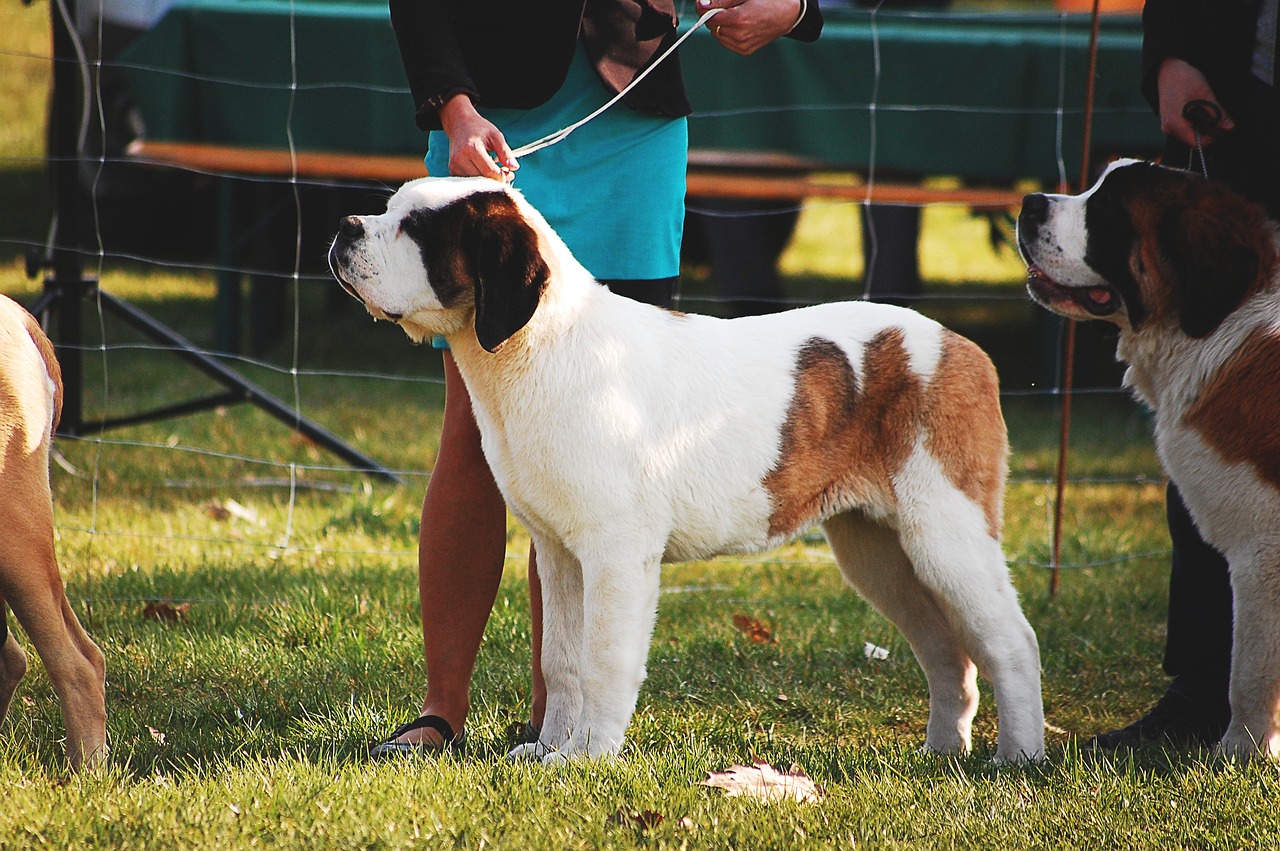

The Role of Judges and Their Expertise in Breed-Specific Shows
Breed-specific dog shows are events that showcase canines from particular breeds while highlighting their unique qualities and characteristics. These events are steeped in tradition and carry significant prestige among breeders and dog enthusiasts. Judges play a pivotal role in evaluating the dogs and determining which exhibits exemplify the breed’s standards. They possess extensive knowledge about conformation, temperament, and breed history, which enables them to assess various aspects of each dog accurately. The judge’s expertise not only impacts the outcome of the show but also influences breeding programs and the subsequent generations of the breeds. A well-respected judge is often consulted by breeders prior to formal evaluations, seeking advice and guidance. Each breed has specific standards set forth by recognized kennel clubs, and judges must adhere closely to these criteria during their assessments. The judging process involves not just observation but an understanding of each dog’s lineage and potential future. Moreover, judges must foster a fair and sportsmanlike atmosphere, ensuring all participants feel valued in the competitive environment that surrounds these prestigious gatherings.
During breed-specific dog shows, judges assess numerous parameters beyond basic appearance. This includes evaluating movement, temperament, and overall health of the dogs. Each judge’s aim is to choose winners that reflect the breed’s ideal depiction as per established standards set by kennel clubs. Judges must be attentive and experienced to handle various breeds, with training that comprises extensive knowledge concerning the specifics that differentiate one breed from another. In preparation for these events, judges often partake in rigorous educational programs and apprenticeships. This educational process helps them to gain exposure to the nuances of each breed, allowing them to recognize and reward dogs that truly stand out. The competition encourages efforts to elevate breed standards and responsible breeding practices. Judges also serve as educators, sharing their expertise with participants and spectators alike, fostering greater awareness of breed specifics. Their insights contribute to better understanding among the community on responsible pet ownership and breeding ethics. Judging, therefore, is not simply a formality; it is a critical aspect of ensuring the future health and diversity of various dog breeds.
A significant factor influencing the quality of judgment in breed-specific shows is the delineation of breed standards. Kennel clubs provide detailed criteria that encompass various traits, including size, coat texture, and behavior, enabling judges to make informed decisions. Experienced judges are familiar with these standards and assess competing dogs based on them. Consistency in judging is essential, as it lays the foundation of credibility in breed-specific competitions, helping to maintain a level playing field for all participants. Moreover, judges must communicate effectively during the show, sharing insights regarding their evaluations respectfully. Proper communication fosters transparency, which can bolster trust among breeders, handlers, and spectators. Beyond the competition itself, the influence of a qualified judge can expand to training practices within the community. Their experience can guide not only winners but also enthusiasts keen on improving their dog’s capabilities, ensuring dog shows contribute meaningfully to the canine culture. Judges thus wear multiple hats: evaluators, educators, and advocates for the breeds they love. Such dedication impacts future generations of dogs significantly, ensuring heritage and excellence remain intact.
The Impact of Judge’s Decisions on the Dog Show Community
The decisions made by judges in breed-specific dog shows reverberate through the canine community significantly. When a judge selects a dog as the winner, it often elevates that dog’s breeding status. This recognition has implications for stud fees and future breeding opportunities, reinforcing the dog’s reputation as a top representative of its breed. As such, breeders aspire to produce champions, which raises the overall quality of dogs within that breed. Moreover, successful dogs contribute to breed popularity, potentially increasing interest and registration numbers. Consequently, judges play an essential role in shaping the trajectory of dog breeds over time. Their decisions can lead to trends impacting breeds on a large scale, sometimes resulting in a resurgence of interest in certain breeds. In addition, reputable judges often have a platform where they can educate the public about the unique traits and stories behind breeds. By familiarizing audiences with various dogs, judges help foster appreciation for diversity within the canine world, making dog shows an essential aspect of pet culture. Thus, the influence of judges extends well beyond the confines of individual competitions.
Furthermore, judges must remain impartial to maintain the integrity of breed-specific dog shows. Personal relationships with breeders or handlers can understandably cloud judgment, which is why ethical standards are crucial in this setting. Judges abide by strict codes of conduct established by kennel clubs, which include guidelines on fairness and transparency. These codes help preserve the honor of the sport while defending the welfare of all participants involved. In recent years, there has been increasing scrutiny regarding how judges are selected and trained to ensure accountability. Breed clubs also advocate for judges with suitable backgrounds, pushing for continued education and awareness on breed issues, including health problems or behavioral traits that should be considered during evaluations. Ethical judging contributes to a robust system that not only acknowledges merit but maintains high breeding standards. This approach fosters a canine community which values not just awards, but also responsible practices concerning breeding and training. As such, the responsibility placed on judges extends to all breeders, handlers, and dog lovers invested in ethical standards, shaping an admirable culture in dog shows.
The Future of Breed-Specific Judging
The future of breed-specific judging in dog shows is evolving as new trends and technologies emerge. Digital platforms now allow for easier access to training materials for judges and even online seminars about breed standards. This shift encourages judges to stay informed and adapt their strategies as dog breeding practices and preferences evolve over time. Moreover, advancements in genetic testing and health screenings impact how judges evaluate conformation and soundness. Judges may increasingly weigh health qualities more heavily than before, leading to breed improvements and higher standards of welfare. Furthermore, the canine community is placing greater emphasis on diversity, and judges must embrace a wider understanding of how different traits manifest within breeds. Inclusivity within judging can contribute to the health and viability of various breeds. Judges also need to embrace education as a vehicle towards shaping public perception. They are often seen as authoritative figures in dog shows, although they must remain approachable and willing to engage with a broader audience. Creating an inviting atmosphere encourages learning, allowing dog enthusiasts to connect with judges and appreciate their insights.
In closing, the role of judges in breed-specific dog shows is multifaceted, serving as a cornerstone of the canine culture. By evaluating dogs with expertise and impartiality, judges not only influence individual competitions but also shape the future of breeds. Their insights can lead to better breeding practices, wary of health concerns while fostering a culture of cooperation among breeders and dog lovers alike. This dynamic creates a ripple effect that extends well beyond the competition arena. Judges educate audiences about the rich history behind breeds and the traits that define excellence in each. The passion displayed by judges often ignites a sense of values among participants, marking a notable change in attitudes within the community. The evolving landscape of dog shows promises exciting potential for enhanced standards, education, and appreciation. By adapting to progress in training and regulatory practices, judges play an integral role in honoring and preserving canine heritage while promoting responsible breeding strategies. As we look ahead, the contributions of knowledgeable judges will remain a vital part of the success in the world of breed-specific dog shows.
Conclusion
In summary, breed-specific dog shows not only spotlight individual excellence but also uphold the standards and future of entire breeds. The expertise and discernment of judges are crucial to this process, ensuring that it contributes positively to the canine community. Judging goes beyond a mere contest; it embodies tradition, education, and a commitment to improving the welfare of our beloved breeds. The impact of their decisions resonates throughout generations, guiding breeding practices, and enhancing the appreciation of different breeds. Continued emphasis on ethics, impartiality, and education will pave the way for a promising future in these showcases of canine beauty and skill. Judges stand as gatekeepers of breed integrity, fostering a sense of responsibility among all competitors. Their role is indispensable, reflecting not only the rich history of breeding but also a commitment to maintaining standards for the future. With evolving practices, judges must embrace new knowledge while remaining true to established criteria. Thus, the future of breed-specific dog shows remains bright, rooted in passion for canines and a dedication to promoting excellence within their ranks.