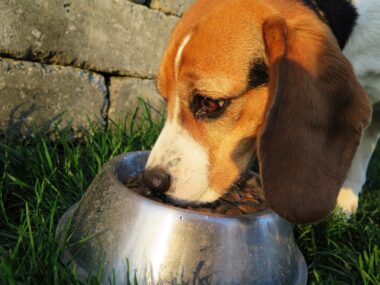

How Anxiety Contributes to Feeding Time Aggression in Dogs
Feeding time aggression in dogs can be a distressing issue for owners, often leading to tension during mealtime. This behavior can stem from various factors; however, anxiety plays a significant role in exacerbating aggression. Understanding the relationship between anxiety and aggression can help owners manage problematic behaviors. An anxious dog may perceive food as a resource worth defending. Therefore, recognizing these triggers is crucial. In some cases, anxiety develops from previous experiences where a dog was either competing for food or lacked sufficient resources. The dog’s environment and history significantly influence behavior. Identifying these issues empowers owners to take constructive action. Adopting strategies to minimize anxiety directly contributes to reducing aggressive behaviors during meals. It’s essential to create a calm feeding environment. Providing plenty of space during mealtime can ease tensions and foster a more pleasant atmosphere. The technique also involves feeding routines that are consistent. For some dogs, positive associations with food can help diminish anxiety. Consulting a professional can provide owners with guidance tailored to their unique situations. Monitoring progress allows for adjustments whenever necessary, fostering a peaceful mealtime experience.
Moreover, owners should acknowledge signs of anxiety in dogs. Common signs include panting, pacing, or changes in body posture. These indications can signal that the dog is uncomfortable during mealtimes. When such signs arise, it’s crucial for owners to respond with empathy and patience. Instead of forcing the dog to eat, consider providing a stable routine to help manage anxiety effectively. This structured approach can greatly benefit dogs who feel insecure about their food and surroundings. Creating a safe, designated eating space is another effective strategy. The location should be free from distractions and disturbances. Owners can utilize barriers to help the dog feel secure during feeding time. Additionally, changing the type of food or using food puzzles may alleviate some anxious tendencies. Engaging the dog mentally while eating can detract attention from perceived threats. Such modifications can foster a positive association with feeding and gradually reduce aggression as anxiety fades. Owners are encouraged to keep track of their dog’s behavior during mealtime. Recognizing specific triggers allows for tailored solutions to emerge, leading to a more harmonious relationship.
Implementing Positive Reinforcement
Utilizing positive reinforcement techniques is instrumental in managing feeding time aggression. Rewarding preferred behaviors during mealtime establishes a more positive association with food. This positive engagement transforms a previously stressful experience into a desirable one. Encouraging calm behavior around food can help diminish aggressive tendencies. Owners should practice patience as they work with their dogs. Gradually introducing food while rewarding calmness is essential. Differentiating between aggressive and non-aggressive behaviors assists owners in identifying which actions to reinforce. Consistency in rewarding appropriate behaviors helps solidify desired habits over time. Additionally, food scarcity can amplify aggressive tendencies. Ensuring dogs have sufficient access to food can mitigate anxiety and aggression related to resource guarding. Moreover, engaging in training sessions focused on impulse control can further assist dogs in managing their response to food during feeding times. Behavioral training techniques promote a structured environment in which dogs can thrive. Observing the dog’s progress enables owners to adjust their strategies as needed. Ultimately, positive reinforcement not only improves behavior but can also enhance the bond between dog and owner.
Seeking Professional Help
In instances where anxiety and aggression escalate, seeking professional help is advised. Experienced trainers or behaviorists can assess the situation and develop comprehensive training plans tailored to the dog’s needs. Professional intervention often proves beneficial in understanding the underlying causes of feeding time aggression more deeply. Similarly, veterinarians can provide insight into any health issues that may exacerbate anxiety. Addressing physical concerns can significantly influence behavior positively. Moreover, depending on the severity, behavior modification plans may incorporate medical advice or treatments. Experts can empower owners to implement strategies effectively for fostering tranquility during mealtime. Training programs focusing on behavioral management can solidify positive changes over time. Continuous monitoring by professionals ensures the strategies remain effective and evolve as necessary. Educating owners not only benefits the dog but fosters a supportive environment where family members can also practice the techniques. Such collaboration aids in maintaining a consistent approach, ultimately reducing anxiety-related aggression. Addressing the issue holistically can transform mealtimes into calm experiences, benefiting both dogs and their human companions.
A crucial component to alleviating anxiety entails understanding the dog’s body language. Specific signals indicate heightened stress levels during feeding, prompting the need for intervention. Awareness of these signs fosters better communication with the dog. This understanding allows owners to preemptively address problem behaviors, which can minimize aggressive actions. In addition, owners should consider creating a more engaging feeding experience. Implementing feeding routines that involve interactive toys or food dispersal systems can help shift the focus from resource guarding. This novelty can relieve anxiety by redirecting attention and prompting mental stimulation. Alongside switching to food toys, developing rituals that involve different settings or environments can aid in managing aggression. Trying out new locations allows for adaptability, encouraging the dog to associate feeding time with positive, anxiety-free experiences. Owners may find that increasing the dog’s overall daily exercise contributes to reducing anxiety as well. Increased physical activity can help mitigate potential outbursts by promoting relaxation and contentment. Combining various techniques results in a holistic approach to addressing feeding time aggression, ultimately enhancing the dog’s welfare and comfort.
The Role of Environment
The dog’s environment greatly influences its emotional well-being and behavior. A chaotic or noisy setting can exacerbate feeding time aggression due to heightened anxiety levels. Reducing such stimuli is essential for creating an optimal feeding environment. Owners should establish a quiet space for meals, free from disturbances. Using barriers such as baby gates can further isolate the feeding area, providing security for the dog. Ultimately, environmental modifications play a paramount role in managing anxiety and aggression. Understanding the effects of environment on behavior empowers owners to take appropriate actions. Furthermore, stable routines help dogs predict and feel secure around mealtime. Consistency breeds confidence, improving behavior noticeably over time. Employing calming fragrance diffusers or background sounds can also foster a soothing atmosphere during meals. Using tools designed to reduce anxiety benefits the feeding experience, easing aggression significantly. Additionally, creating an often predictable feeding schedule can help dogs manage their expectations and anxiety levels. Owners should continue monitoring their dog’s behavior to assess whether such changes yield improvements in feeding time dynamics.
As a final consideration, the importance of early training cannot be overstated. Addressing feeding time aggression as soon as it becomes apparent will yield more effective results. Early intervention plays a crucial role in preventing the development of more severe aggression issues. Training puppies to associate food with positive experiences while discouraging aggressive tendencies dramatically influences future behavior. Owners must cultivate a nurturing atmosphere where dogs feel secure enough to express their needs without resorting to aggression. This feat requires dedication and patience; owners must develop and commit to a structured plan addressing behavioral concerns. Establishing trust between owner and dog is key, as it will significantly reduce anxiety levels over time. With patience and positive reinforcement, the relationship between the owner and dog grows stronger. In doing so, owners can create a joyful feeding environment, ultimately leading to healthier, happier dogs. Relying on a multifaceted approach that encompasses environmental, behavioral, and social strategies promotes long-lasting changes. Encouraging a positive outlook on mealtime yields substantial benefits for both owner and dog alike.
Conclusion
Addressing feeding time aggression in dogs is an important endeavor that requires patience, understanding, and tailored strategies. Owners are encouraged to consult professionals to manage severe cases effectively. Through consistent training and environmental adjustments, dogs can learn to associate mealtime with calmness rather than aggression. The combination of various techniques can lead to a significant transformation in behavior over time. Owners must also recognize that the journey might take time; however, every effort counts towards fostering a healthier relationship with their pets. Positive reinforcement strategies, along with modification of environmental factors, greatly contribute to addressing anxiety-driven aggression in dogs. Additionally, creating an atmosphere that welcomes security and trust will support better behavior during feeding times. A well-rounded perspective contributes greatly to achieving success. Fostering an understanding of each dog’s individuality will ensure that strategies remain effective and compassionate. Overall, with proper guidance, owners can nurture a supportive environment that leads to happier, healthier dogs. By employing a thoughtful, holistic approach to addressing feeding time aggression, mealtimes can become peaceful opportunities for bonding, joy, and satisfaction.