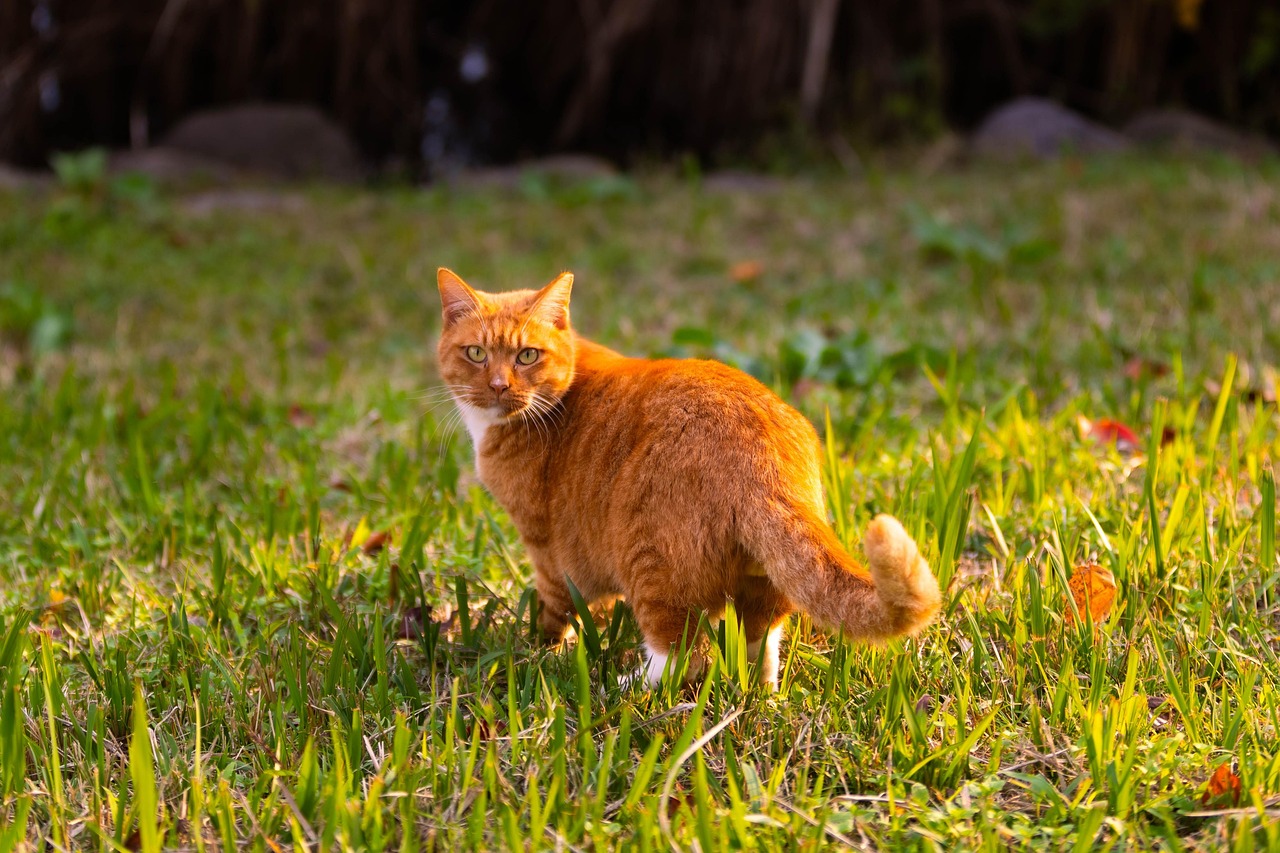

Summer Travel Precautions for Cats: Keeping Your Feline Safe
Traveling with your cat during the summer requires careful planning to ensure their health and safety. Cats, like humans, can suffer from heat-related illnesses. One of the most critical considerations is temperature regulation. Always ensure your cat is kept in a cool environment during travel, preferably in a well-ventilated vehicle with air conditioning. It is also essential to avoid leaving your cat in a parked car, even for short durations. The temperature can rise quickly, leading to heatstroke, which can be fatal. Additionally, consider taking frequent breaks to allow your cat to hydrate and stretch. Provide them fresh water at these intervals, as dehydration can occur easily. Seasonal allergies may also affect your feline companion, so observe if they exhibit any unusual symptoms during travel. Make sure to consult your vet for any specific precautions, especially if your cat has existing health conditions. Remember, a happy and healthy cat makes for a stress-free travel experience for both you and your furry friend.
When preparing for summer travels, it’s essential to consider your cat’s diet. Changes in routine can lead to gastrointestinal upset in many pets. Before you travel, it’s wise to stock up on your cat’s usual food. Introduce any new food gradually to avoid digestive issues. Carry enough supply for the entire trip, including extra in case of delays. Don’t forget to pack treats that keep your cat motivated and entertained during the journey. The heat can also make cats less interested in food. To ensure your cat stays nourished, provide frequent small meals rather than larger ones. Hydration should be a top priority too; ensure your cat drinks water regularly. You might also consider a portable water dispenser for convenience. Also, monitor your cat’s behavior and appetite during the trip. If you notice any significant changes, consider stopping for a check-up with a veterinarian. Keeping your cat comfortable and content is imperative for a successful travel experience that will lead to cherished memories when you reach your destination.
Medical Preparations Before Traveling
Before embarking on your summer journey, it’s wise to have a complete check-up for your cat. Vaccinations and preventive medications should be up-to-date. Consult your veterinarian regarding any specific health concerns that may arise during travel. Flea and tick prevention is critical, particularly if you are traveling to areas where your cat may be exposed to these pests. Additionally, ensure that your cat is protected against any weather-related health risks. Taking along a copy of your cat’s medical records can be incredibly beneficial while traveling. It’s also helpful in case of emergencies or if you need to find a vet on the road. Pack necessary medications in a sealed container to avoid spills and ensure easy access. In the event of an allergic reaction to environmental factors, having antihistamines on hand can also be a lifesaver. Always have a first-aid kit on board that includes items like gauze, antiseptics, and thermometer. By prioritizing your cat’s health needs, you can reduce stress and ensure a seamless travel experience.
Keeping your cat secured in a comfortable carrier is paramount during travels. Choose a sturdy yet cozy carrier that provides enough space for them to stand up, turn around, and lie down. Ensure the carrier is well-ventilated but also offers protection from the direct sun. Familiarize your cat with the carrier before the trip by allowing them to explore it at home with treats or toys. This way, your cat is less likely to feel anxious. Also, consider placing soft bedding inside for comfort, alongside their favorite toy to provide reassurance during the journey. Place a tag with your contact information on the carrier in case of an emergency. While traveling, safeguard your carrier from sudden movements like braking or turning sharply. Additionally, it’s crucial to keep your cat confined inside the carrier while the vehicle is in motion. This ensures both their safety and prevents distractions. Lastly, avoid opening the carrier inside the vehicle to prevent your cat from escaping. Following these practices can ensure a secure and enjoyable travel experience for your beloved pet.
Environment and Acclimation During Stops
During long trips, plan for stops to allow your cat to stretch and acclimate to new environments. Exposure to unfamiliar surroundings can be overwhelming. When stopping, first take the time to assess the area, looking for a safe place away from busy streets or animal distractions. Keep your cat in the carrier until you ascertain that the area is safe. Offer them water, and if possible, allow short supervised walks on a leash. Familiarize your cat with the temporary location’s sights and sounds by allowing them some time to explore. Carry a familiar blanket or bed to provide a sense of comfort in new environments. However, keeping them secured on a leash is crucial to avoid escapes. Recognize signs of anxiety in your feline, such as hiding or excessive vocalizations. Responding with gentle reassurance can help ease their nerves. This acclimation can greatly affect their travel happiness. Make sure to monitor the temperature and avoid leaving them in overly hot or cold conditions, as these can cause distress or health issues. Remember, a calm cat contributes to an enjoyable travel experience.
Summer travel can introduce several stressors during the journey, including loud noises, strange scents, and new environments. Keeping your cat comfortable is key to reducing anxiety. Consider bringing a favorite toy or blanket that smells like home. This familiarity can help your cat feel more at ease during travel. Try incorporating calming remedies or stress-relieving techniques, like pheromone sprays or calming treats, which can mitigate anxious reactions. Regular maintenance of a consistent schedule regarding feeding, breaks, and playtime can also help alleviate stress. Create a rhythm that mimics their typical day at home as much as possible. Offer playtime during breaks to engage your cat and expend energy. Avoid crowded and loud places to reduce anxiety triggers. If your cat exhibits excessive fear, consult your veterinarian about alternative stress-relief options. Consider using a calming collar if appropriate. Adapting your travel to accommodate your pet’s needs ensures you both have a positive experience together. The objective is to create an itinerary that balances fun activities for you while staying sensitive to your cat’s wellbeing.
Conclusion: Safe Travels with Your Cat
The key to enjoyable summer travel with your cat lies in careful planning and consideration of their unique needs. From ensuring they are well-hydrated to keeping them comfortable in their carrier, every detail contributes to their wellbeing. Regular stops during the journey allow not only for stretching and bathroom breaks, but also provide chances for reassurance and play. Maintaining a calming environment mitigates stress and contributes to your cat’s happiness. Always have a first-aid kit on hand, and familiarize them with safe areas during stops. Consult with your vet ahead of time to discuss any potential health issues or travel concerns. By anticipating their needs and being prepared for the unexpected, you set the stage for a smooth travel experience. Whenever possible, remain flexible and adapt your plans to accommodate your cat’s mood. It will make your travel a pleasant experience instead of a source of anxiety for both you and your pet. With these practices in place, you’re on your way to creating lasting memories with your beloved feline companion this summer.
Understanding Cat Behavior During Travel
When embarking on summer travel with your cat, it’s also important to understand their behavior. Cats often express their discomfort in subtle ways—changes in their behavior can indicate they are stressed or unhappy. Pay attention to their body language; for example, a cat standing tall might be feeling assertive, while a crouching position suggests fear. If your cat starts vocalizing excessively, it may be signaling anxiety. Just like humans, each cat is different, and it’s essential to recognize their unique responses during travel. In addition, try using calming products specially designed for pets, such as herbal remedies or pheromone dispensers, for added comfort. Engaging your cat with interactive toys or treats can also help divert their attention away from stressful stimuli. Your patience and understanding go a long way in managing their behavior. Always be observant, ready to respond to their needs proactively. A calm environment will not only benefit them but enhance your overall travel experience. With an empathic approach, you foster a bonding experience that creates precious memories during your summer adventures together.