
How to Avoid Overstimulating Your Injured Cat During Recovery
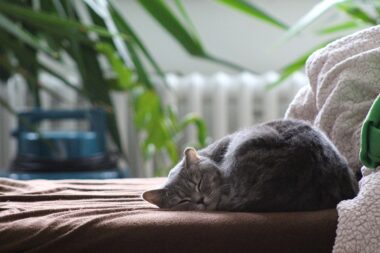
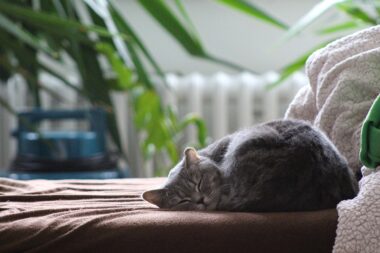
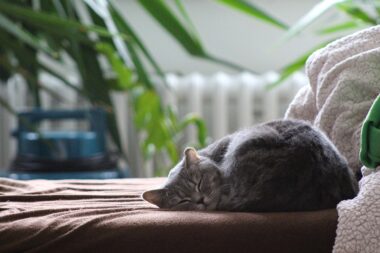
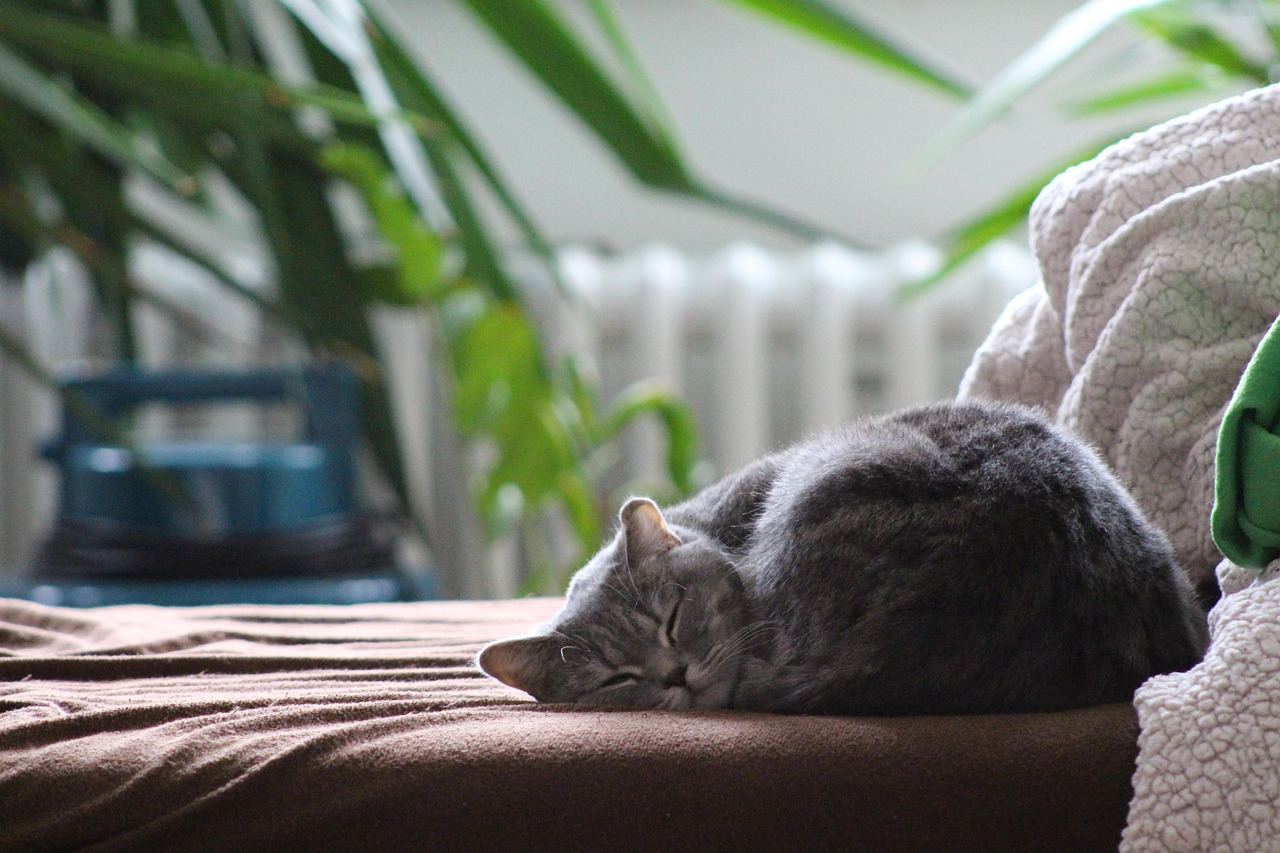
When your cat is injured, recovery becomes a priority, and creating a calm environment is vital. A soothing setting can significantly reduce your feline’s stress levels, promoting healing. Start by designating a quiet area in your home, away from the hustle and bustle of daily life. This secluded space should be comfortable, featuring familiar bedding and toys. Additionally, ensure that your cat has access to their litter box, food, and water without feeling overwhelmed. Overstimulation during recovery can prolong the healing process, as it may cause anxiety and discomfort. Observe your cat’s behavior frequently; signs of stress can include excessive meowing, hiding, or aggressive responses. If your cat displays these behaviors, you might need to further limit stimuli in their environment. Soft music or white noise can create a soothing background, helping to mask potentially jarring sounds. Be mindful of visitors, as unexpected guests can contribute to your cat feeling unsafe. Gradually introduce visitors, and make sure they understand the importance of a calm disposition around your recovering pet. Focus on creating a sense of security, and your cat will appreciate your efforts during this challenging time.
Consider the lighting and temperature in the designated recovery area to help your injured cat feel secure. A soft, warm light will create a cozy atmosphere, while avoiding harsh or flickering lights will help eliminate unnecessary stressors. Keeping the room temperature comfortable is crucial; not too hot and not too cold. Cats are sensitive to temperature fluctuations, which can affect their overall well-being. Make sure the recovery area is well-ventilated but free from drafts. Adding a few cozy blankets or pillows can also help your cat feel more at ease. Ensure that their favorite hiding spots and perches are accessible, allowing them to choose where they feel safest. Removing any potential hazardous items will further protect your cat from injury and enable them to focus on their recovery without distractions. It might also be helpful to use pheromone diffusers designed specifically for cats, as these products can alleviate anxiety and promote a serene environment. Consult with your veterinarian to explore these options further, ensuring your approach suits your cat’s specific recovery needs. By shaping the environment thoughtfully, you can facilitate a smooth and stress-free recovery process.
Minimizing Noise Levels
Noise can have a detrimental impact on your cat’s mental state, especially after an injury. To ensure a peaceful recovery environment, it is essential to minimize noise levels as much as possible throughout your home. The first step is to identify frequent sources of noise, whether it’s the television, loud conversations, or home appliances. When your injured cat is in their recovery area, limit the sound produced by such devices on a temporary basis. Alternatively, you could consider utilizing soundproofing techniques such as acoustic panels or heavy curtains to help dampen any surrounding noise. Another effective approach is to maintain a calm household atmosphere. Encourage family members to speak softly and avoid sudden movements around the recovery area. Moreover, consider designating specific hours during the day for quiet time when loud activities are minimized. For some cats, background noise, such as soft music or nature sounds, can promote relaxation rather than create tension. Experiment with various sound levels until you identify the right atmosphere conducive to your cat’s healing process. A tranquil environment contributes significantly to your injured cat’s recovery by allowing them the peace they need.
Emotional support plays a significant role in recovery for injured cats. Be sure to provide gentle reassurance and emotional comfort consistently throughout their healing process. They may require extra attention during this time, so consider spending more quality time with your feline friend, ensuring they feel safe and loved. Gently stroke or knead your cat, but if they seem sensitive to touch, respect their boundaries. It’s critical to assess their comfort level continuously; often, a simple presence can provide much-needed reassurance. Reading softly or speaking calm, patient words around your injured pet can further contribute to a nurturing environment. Avoid forcing physical interaction if your cat seems distressed, as this could inadvertently make them feel anxious. Encouraging them to come to you instead will foster a sense of control, allowing them to engage at their own pace. Additionally, monitor their behavioral changes as they heal. Be prepared for fluctuations as recovery allows your cat to gradually regain confidence. Supporting your cat emotionally is essential, ensuring they adapt as they recuperate. Healing takes time, and your patience can help them make a smoother transition back to full health.
Providing Consistent Routine
Another important aspect of creating a calm environment for your injured cat is establishing a consistent daily routine. Familiarity helps reduce anxiety, allowing your cat to feel more secure during recovery. Implement regular feeding schedules, playtimes, and even quiet moments to give your cat a sense of predictability in their day. The routine should remain calm, accommodating your cat’s energy levels. For example, you might choose to schedule short play sessions, which can be beneficial for their mental and physical health while respecting their need for rest. Keep an eye on your cat’s recovery status as this will dictate the types and lengths of activities to engage in. Be prepared to make adjustments based on their physical limitations or mood changes. Consider incorporating interactive toys or puzzles to keep their minds engaged without overstimulating them. Infusing their environment with stimulating yet calming activities is essential too; therefore, observe your feline’s triggers and preferences. A daily routine can help restore order and tranquility, which contributes to an environment that supports health and well-being during the recovery process.
During your cat’s recovery, be cautious about introducing new pets or significant changes in the household that may increase anxiety. Such events can be overstimulating when a cat is healing from an injury. Instead, focus on reinforcing the existing bonds and providing a nurturing environment. If you plan to have other pets in the vicinity, closely monitor their interactions to ensure they are gentle and supportive. A new addition to the family may add stress or lead to competition for your cat’s attention, possibly impacting their recovery. If you need to rearrange furniture or introduce new items, do so gradually. Consult your veterinarian for advice on how to ease any transitions if necessary. Additionally, avoid introducing new toys or changing your cat’s environment drastically, as even small changes can elevate stress levels. Establishing boundaries and rules in the household can also help create a stable recovery area. Striking a balance between care and consistency ultimately assures your injured cat feels secure in their home. A calm and harmonious environment fosters healing and promotes overall well-being.
Monitoring Recovery Progress
Keep a close eye on your cat’s recovery progress to ensure they are healing well in the calm environment you’ve established. Regularly assess their physical condition, appetite, and behavior to understand how they are coping with their injury. If you notice any changes, whether positive or negative, it’s essential to communicate with your veterinarian promptly for guidance. They may recommend adjustments to your cat’s recovery plan or environment based on their observations and requirements. Checking for overactivity is vital to prevent disruptions in the healing process. Ensure your cat does not overexert themselves during this period as active play can sometimes worsen injuries. Encourage gentle stretches or movements only when advised by professionals to promote safe recovery activities. Additionally, take note of any behavioral changes; increased anxiety might indicate a need for further calming adjustments in the environment. The goal is to create a nurturing space that allows your cat to heal without unnecessary stress. Remember that recovery timelines can vary significantly between individual cats, and your dedication to monitoring their progress denotes your commitment to their health and well-being.
In conclusion, creating a calm environment for your injured cat during their recovery is imperative for a successful healing process. This involves careful planning and consideration of various factors such as noise control, emotional support, and routine adherence. Maintaining a tranquil space allows your cat to feel secure and fosters the healing process. The environment plays a crucial role, wherein even subtle adjustments can yield significant benefits. Focus on understanding your cat’s needs during this challenging time and adapt accordingly to ensure their comfort. With consistent love, attention, and a calm atmosphere, you can help promote a smooth recovery for your feline friend. Also, don’t hesitate to consult with your veterinarian for additional recommendations tailored to your pet’s specific needs. Your proactive approach in evaluating and modifying their surroundings can lead to better health outcomes. Remember that patience and understanding are key as your cat heals and gradually transitions back to their regular activities. Taking the necessary steps will not only support your pet’s recovery but will also strengthen the bond between you, transforming the entire experience into a nurturing one.