
Recognizing Signs of Stress in Cats During Grooming
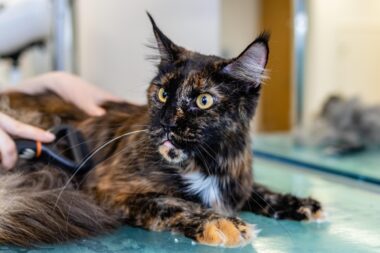
When grooming is necessary, identifying the signs of stress in your shy cat is critical. Cats can display various stress signals, making it essential to understand their behavior. Common indicators include hiding, excessive grooming, or vocalizing more than usual. You may also notice changes in their body posture, such as lower tails or flattened ears. Additionally, their eyes may appear wide when they feel threatened. It’s crucial to pay attention to these signs of discomfort, as it can help you adjust your grooming techniques. If your cat is displaying any of these behaviors, it’s advisable to pause and reassess the situation. Creating a calm environment can significantly impact your cat’s comfort. Consider introducing grooming tools slowly and allowing them to investigate these items independently. Place the tools nearby, letting your cat explore at their own pace. Building this trust leads to a less stressful grooming experience. Positive associations can be formed using treats or playtime. These techniques will ensure your shy cat feels more relaxed. By learning to read their body language, you can foster a healthier relationship with your feline friend.
Understanding your cat’s unique personality is essential in recognizing signs of stress. Every cat reacts differently to grooming; some may initially resist while others might be more accepting. Keep an eye on their behavior during grooming sessions. Slow, steady movements with grooming tools, such as brushes or clippers, are key to preventing stress. Too much sudden action can startle your shy cat. Instead, if your cat exhibits fear, break grooming into shorter sessions. Take breaks frequently to allow your cat time to decompress. Gentle reassurances while you groom can make a notable difference. Talk to your cat soothingly, and ensure they feel safe. It’s also helpful to know that some cats responded safely to pheromone diffusers before grooming. These products can mimic the scent of feline facial pheromones, promoting calmness. Consistently engaging in these practices leads to a more enjoyable grooming experience for both you and your cat. The objective is to ensure that your feline companions have a comfortable grooming routine. Long-term strategies will contribute to a healthier grooming relationship over time. Every step taken towards understanding your shy cat will ultimately enhance their well-being.
Common Signs of Stress
There are several common signs of stress to look out for during grooming. One primary behavior is excessive vocalization. Your cat might meow or hiss when feeling anxious, which is their way of expressing discomfort or fear. Another sign includes attempts to escape. If your cat tries to pull away or flee from the grooming session, it’s essential to take that as a sign of distress. Hiding is another powerful indicator. Cats may retreat to their favorite hiding spots when feeling overwhelmed. These behaviors are natural responses, signifying your cat’s stress during grooming. Body language also plays a critical role; cats may arch their back or flatten their ears when scared. Observing these signs can inform your approach. If your cat shows obvious stress signals, consider changing your methods. Patience is vital; rushing can increase anxiety. Each cat has their comfort threshold, and you’ll need to find it. Frequent short sessions will build your cat’s tolerance over time. Ultimately, maintaining calmness and reduced stress will lead to a more successful grooming experience.
It’s important to remember that every cat is an individual with their own comfort levels when it comes to grooming. If your cat is particularly resistant to grooming, consult with a professional groomer or veterinarian. They can provide expert advice tailored to your cat’s needs. Potential issues could include past trauma or health problems that make grooming uncomfortable. A gentle approach is necessary. Start by slowly introducing your cat to the grooming process, using rewards and treats. Associating grooming with positives can change their perspective. Also, ensure that your grooming supplies are appropriate for their fur type and sensitivities. Cats with long hair may require specific brushes that reduce pull, while short-haired cats may need a different tool altogether. Monitoring how your cat reacts can help you determine what works best for them. The key is to prioritize their comfort. Learning to adapt your grooming techniques can make a world of difference for your shy feline. The combination of understanding and patience goes a long way in establishing a grooming routine that feels safe and pleasant for your cat.
Creating a Safe Environment
Creating a safe environment can significantly reduce stress levels in your cat. Start by designating a quiet grooming area in your home away from distractions and loud noises. A calm space will help your shy cat to feel more secure. Ensure that this area is well-lit but not overpoweringly bright. It should be a space so your cat can observe but can easily retreat if they feel overwhelmed. Having tools organized and close at hand can also reduce nervous energy. Cats respond positively to predictability; maintaining a routine can help them feel safe. Introduce scents or toys that your cat enjoys to this space. Familiar items can help in easing tension. You can also incorporate soft music or white noise to mask sudden sounds that may frighten them. A relaxed atmosphere encourages trust and comfort, making it easier to approach grooming positive experiences. Furthermore, using gentle touches while grooming will promote bonding between you and your cat. Reinforce a sense of security by allowing breaks to explore the safe space. Creating this environment is essential for stress reduction during grooming.
Consistency is key when it comes to monitoring your cat’s behavior during grooming. Pay attention to how they react each time you attempt to groom them. Gradually introducing grooming activities into their routine fosters trust. Whether it’s brushing for a few minutes or gently handling their paws, your cat will acclimate over time, leading to less stress. Another helpful strategy is to use positive reinforcement techniques. Reward your cat with treats and affection after grooming sessions. This encouragement makes them more likely to cooperate next time. Additionally, being mindful of your cat’s preferred grooming times can help you pick the best moments to groom. Some cats may be more relaxed after playtime or when they’re tired. The primary goal is to build a positive association with grooming by making it a pleasant experience. Moreover, never force grooming on a cat that is visibly stressed or frightened. Taking your time and being patient will ultimately lead to long-term success in your cat’s grooming journey. Keeping their comfort as a priority will transform grooming into a bonding experience rather than a source of fear.
Final Thoughts on Grooming
Recognizing the signs of stress in cats during grooming is crucial for their comfort and your relationship. Understanding individual needs can positively affect their grooming experiences. Cats may exhibit various behaviors indicating stress, so being attuned to these signs can help you adjust your approach. Key strategies involve patience, creating a safe environment, and offering rewards for calm behavior. It’s vital to prioritize your cat’s comfort during the grooming process. Your cat’s response should guide how you proceed. Should stress levels stay high, consulting with a professional or veterinarian can provide valuable insights. This guidance will assist in developing better grooming practices tailored to your cat’s personality. Remember, this is a learning experience for both you and your pet. Long-term, building trust and consistency will transform grooming from a source of fear into an enjoyable routine. Every small action you take towards recognizing and addressing your cat’s stress will contribute to their overall well-being and happiness. At the end of the day, nurturing your feline friend while addressing their grooming needs will foster a loving and trusting relationship that benefits you both immensely.