
Preventative Measures to Protect Your Dog from Distemper
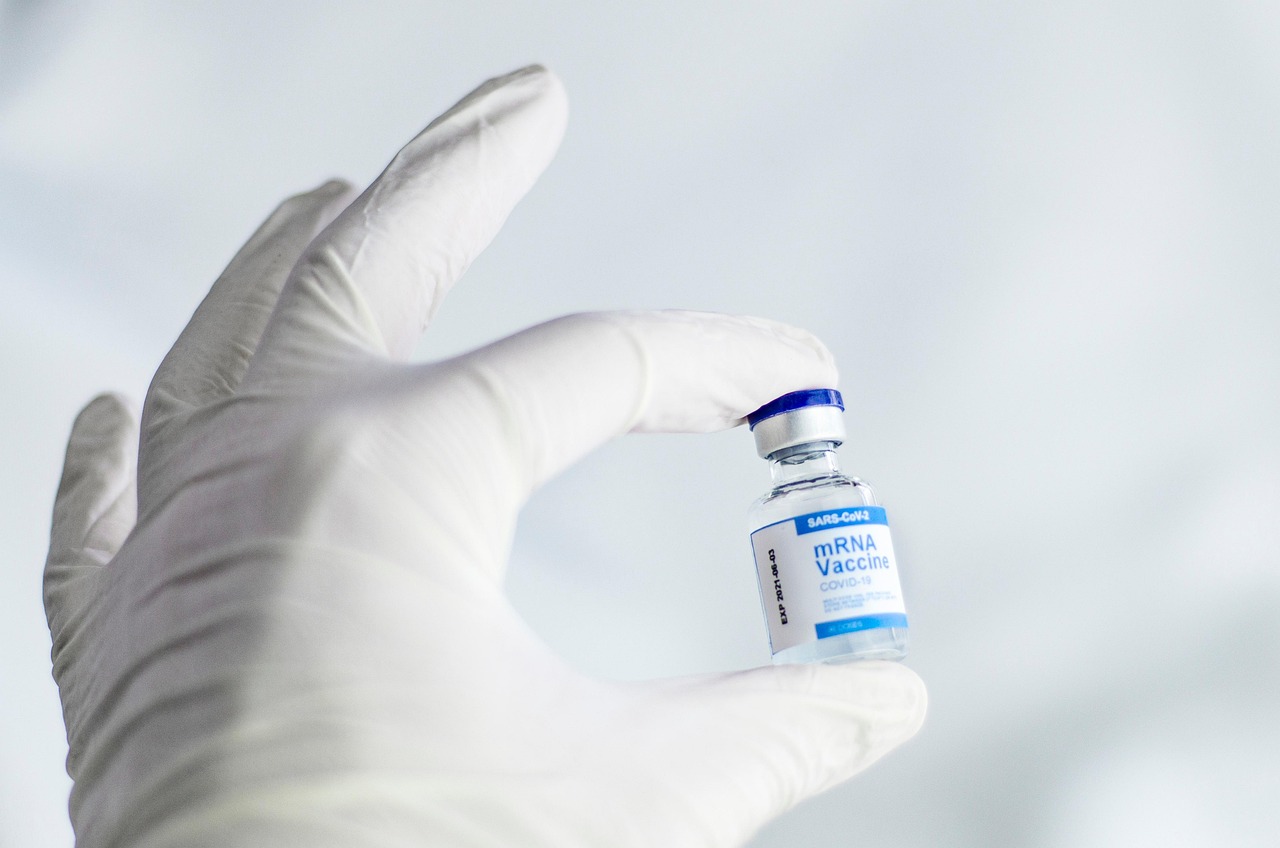
Distemper is a serious viral disease that affects dogs and can be fatal. To protect your furry friend, awareness and preventive measures are vital. Understanding how to recognize symptoms is the first step. Common signs include fever, nasal discharge, coughing, and vomiting. If you observe any of these signs, seek veterinary attention immediately. Vaccination remains your first line of defense against distemper. Puppies should receive their initial vaccinations between six to eight weeks of age. Booster shots will follow, ensuring long-lasting immunity. Schedule regular veterinary visits, as these play a crucial role in overall health. Your veterinarian can provide updated information on the necessary vaccination schedule. Avoid contact with sick dogs and public spaces during outbreak periods. This careful approach can greatly reduce exposure risk. Another preventative measure is to maintain a clean environment. Regularly disinfect areas where dogs play or rest. Providing good nutrition also supports a healthy immune system. A balanced diet rich in essential vitamins and minerals keeps your dog strong. Overall, staying informed can make a significant difference in preventing distemper.
In addition to vaccinations, it’s important to ensure your dog is in optimal health. Regular exercise contributes to both physical and mental well-being, making your canine less susceptible to infections, including distemper. Outdoor playtime, walks, and social interactions can keep a dog physically fit. Providing a stress-free environment also boosts immunity. Stress can weaken your dog’s defenses, making it easier for viruses to invade. Create a stable routine that includes play, rest, and training, as it ensures emotional stability for your pet. Another effective preventive strategy is proper hygiene. Wash your hands before and after handling your dog, especially after interacting with other pets. This reduces the risk of bringing home the virus. Ensuring your dog’s living space is clean is essential, so frequently clean bedding, toys, and food bowls. Isolation is key if your dog starts showing any signs of illness. Quarantine any new or sick pets to minimize the risk of spreading, especially during outbreaks. Keep your dog’s vaccinations updated, and keep detailed records. Understanding vaccination schedules can help you avoid lapses in protection.
Another vital aspect of preventive care is understanding the risks associated with dog parks and group settings. While these environments can provide excellent socialization opportunities, they can be breeding grounds for diseases such as distemper. Monitor your dog’s health closely after visits to such places. Watch for changes in behavior, eating patterns, or general demeanor. If your dog interacts with other canines, rely on trust and knowledge about their vaccination status. Educate yourself about local outbreaks, as health alerts can guide pet owners. Continuous learning about distemper and other canine diseases equips owners with the knowledge needed to protect their pets. Furthermore, establish a good relationship with a trusted veterinarian who can provide expert advice on vaccination and overall canine health. Regular check-ups are essential, allowing for early detection of any health issues. Understanding the importance of preventive care saves not only money but also shared grief due to lost pets. In emergencies, have a first aid kit specifically for dogs on hand. This kit can include antiseptics, gauze, and any medications advised by your veterinarian, ensuring preparedness.
Emergency Preparedness
In cases of suspected exposure to distemper or other illnesses, understanding the symptoms will aid in quick action. Symptoms of distemper may evolve over a period, but knowing the early signs can expedite treatment. Behavioral changes, excessive whining, or lethargy warrants immediate attention. Consult with your veterinarian for further steps if symptoms are noticed. While vaccines are the best preventive method, educating yourself about general canine health enhances care. Regularly update yourself on advancements related to vaccines and treatment options. Attend seminars, workshops, or read reputable online resources concerning canine diseases. Consistent engagement in community activities can further enhance awareness as many dog owners face similar challenges. Having conversations with fellow pet owners can yield valuable insights on preventive measures. Foster strong relationships with the local veterinary community and participate in vaccination drives. Setting up vaccination reminders through your veterinarian helps maintain routine shots. Furthermore, consider having pet insurance. This will help manage unexpected veterinary costs that may arise due to acute illnesses like distemper. Make informed choices that benefit your pet’s overall health by staying proactive.
Diet plays a crucial role in your dog’s overall health and immunity. Providing high-quality dog food filled with nutrients ensures they stay healthy. Consult with your veterinarian for guidance on the best diet that meets your dog’s individual needs. A well-balanced diet can help strengthen their immune response against various diseases, including distemper. Supplements such as omega fatty acids can promote skin health and overall wellness. Regularly check your dog’s weight and adjust its diet accordingly, as obesity can lead to numerous health issues. Fresh, clean water should always be available as hydration is vital for your dog’s survival. Regular brushing, bathing, and grooming contribute not only to their appearance but also their health. This routine can prevent skin infections that may compromise their overall well-being. Make grooming a bonding activity; they will grow to enjoy it. Regular checks of your dog’s ears and teeth should also be a part of their health upkeep. Dental hygiene is as important for dogs as it is for humans, preventing serious health issues later on. Make these habits routine to create a culture of health care in your household.
Understanding the importance of training and socialization empowers both owner and dog. A properly trained dog is more likely to stay safe in various situations. Basics like sit, stay, and come can help manage risks. It is also crucial to explore positive dog training methods that don’t involve harsh corrections. Enroll in classes to enhance your dog’s behaviors and reinforce learning. Training can be essential for teaching your dog not to interact with unknown dogs, keeping them safe from illnesses. Socialization with a variety of people, environments, and other dogs can help prevent future behavior problems. Encourage positive interactions in controlled settings, exposing them gradually to different experiences. Early socialization is particularly important for puppies, as it shapes their future interactions. Create a safe environment for gradual exposure to various stimuli. Have playdates with vaccinated canine friends to further enrich social experiences. Frequenting parks or other social spaces enhances their comfort levels with various surroundings. This culture of interaction reduces anxiety in public spaces, easing their stress levels. These proactive measures can prevent emotional diseases, making for a healthier, happier life.
Always stay alert for new updates on dog health and welfare, especially concerning contagious diseases like distemper. Be aware of seasonal outbreaks in your locality to make informed decisions. Following reputable veterinary blogs and local animal healthcare updates can assist in staying informed. Attending puppy classes or local community pet events offers both knowledge and networking with other dog owners. Hearing fellow owners share experiences can add to your understanding of the disease. Build relationships with fellow community members for additional resources and support. Engaging in dog training or socialization can lead to lifelong friendships with other pet lovers. Make it a family affair; everyone involved in your dog’s care should be educated. Share caring responsibilities, so all family members understand the signs of distemper and preventive measures. Your pet will benefit from the collective knowledge that everyone in the family possesses. Taking proactive measures ensures a healthier future for your dog, enabling them to enjoy longer lives. Always remember your obligations as a pet owner, extending love and protection to your four-legged family member.
The emotional well-being of your dog also plays a role in their overall health. Addressing behavioral issues and providing enrichment activities can reduce stress. Engaging toys and puzzles cater to your dog’s instincts, making them happier and less anxious. Time spent together can strengthen bonds and provide security. Promote good behavior by rewarding training accomplishments, building confidence in your dog. A well-socialized dog typically manages stress better, allowing for resilience against illnesses. Participate in activities like agility or obedience classes to enhance their skills and promote mental engagement. Mindful efforts lead to happier dogs, thus supporting their immune systems. Keep in mind that prevention goes beyond physical care. Mental stimulation is equally significant, particularly in high-energy breeds. Dogs require outlets to expend energy aside from regular exercise. Maintaining a strong relationship with your pet cultivates an environment where they feel safe and loved. These interactions eventually contribute to their overall well-being, impacting their susceptibility to diseases. Be proactive in recognizing and addressing behavioral concerns before they escalate. Your attention and dedication to your camera translates into a healthy and happy pet.