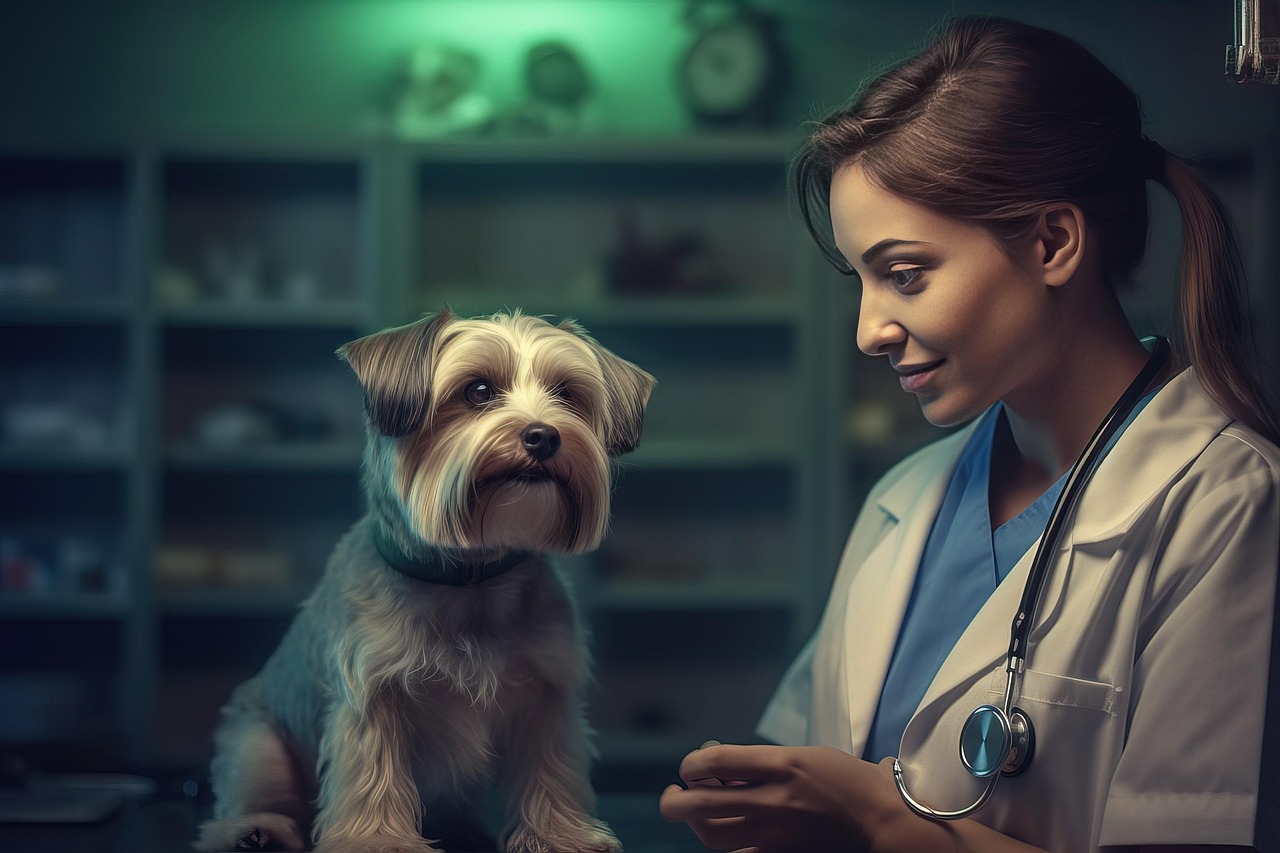

Managing Vaccination Appointments Around Your Work and Family Life
Scheduling dog vaccinations can often be overwhelming, especially when trying to balance work commitments and family responsibilities. Your dog deserves timely vaccinations, but it may feel like a juggling act amidst your busy life. Understanding how to organize appointments effectively can ease this stress and ensure your furry friend stays healthy. Begin by highlighting the timelines for each vaccination; routine vaccines often follow a schedule during specific life stages. Researching and confirming your dog’s vaccination needs based on age, lifestyle, and doctor recommendations is essential. Utilize a calendar app to track due dates and consider physical reminders around the house for upcoming appointments. Creating a dedicated family member or pet care support system for transportation to vaccination visits can also be beneficial. Strategic planning allows you to optimize time usage for both work and personal commitments. This proactive approach not only benefits your dog’s health but also alleviates the mental burden on you. Written reminders and alerts will keep you informed about the scheduling process and related updates, so you never overlook important vaccination dates.
Understanding Your Dog’s Vaccination Needs
Each dog has unique vaccination needs based on various factors such as breed, environment, and health conditions. It’s vital to communicate with a trusted veterinarian to formulate an appropriate vaccination schedule tailored for your dog. Regular check-ups should accompany vaccinations to assess general health and any specific risks your dog may encounter. Building a comprehensive vaccination plan includes initial puppy shots and subsequent boosters as the dog ages. Creating and maintaining an organized log or a spreadsheet can help track when vaccinations are due and when they have been administered. Additionally, sharing this information with family members, pet sitters, or dog walkers can ensure everyone is informed of your dog’s health requirements. Staying proactive about vaccinations helps in early identification of potential health issues. This way, you can address any problems before they escalate into serious concerns while also maintaining your pet’s overall health. Remember, keeping vaccinations current is not only important for your dog but also protects other pets in your community. Don’t hesitate to ask your vet for recommendations and tips on minimizing the disruption to your busy schedule.
Besides keeping vaccinations on schedule, consider batching other veterinary appointments with vaccination visits. This can prove effective in maximizing efficiency while minimizing stress for both you and your dog. By aligning visits, you reduce unnecessary trips and save time in your daily schedule. Many veterinary clinics allow for multiple services during a single visit, helping streamline the process. Services could range from exams to nail trims and even tick treatments. When calling to book appointments, express your desire to consolidate services if possible. Moreover, ensuring a positive experience can ease your dog’s anxiety about future visits. Familiarizing them with the clinic environment beforehand can create a sense of comfort during vaccinations. Preparing a checklist of items like your dog’s favorite toy, treats, or calming sprays can ease anxiety. Often veterinary clinics have a separate waiting area for dogs, which can minimize stress further. Transitioning smoothly through these visits makes it easier for you to remain on top of your dog’s health needs. Consider keeping all records and vaccination history updated, as this will also come in handy for traveling or boarding in the future.
Plan Ahead for Busy Seasons
Planning vaccination appointments strategically around busy seasons can significantly reduce conflicts. For instance, avoid scheduling during peak vacation times or company deadlines when you are preoccupied. It’s wise to make appointments well in advance, enabling you to choose the best time slots available. Prioritize specific time frames when the clinic is least busy, often earlier in the morning or later in the afternoon. Being flexible with appointment days helps to secure a slot that fits into your life seamlessly. Many clinics provide reminders via text or email for upcoming appointments, ensuring you stay on track without conflicts. Be proactive and call your veterinarian ahead of busy seasons, discussing your scheduling needs and concerns. This open communication can help them suggest the best workaround while accommodate both your work and family life. Always take into account your travel time and possible delays. This awareness ensures you arrive prepared and on time, rather than feeling rushed. Creating a multi-functional calendar dedicated to your dog’s health can help ease scheduling strains throughout busy times.
Consider the role of technology in keeping vaccination schedules consistent and accessible. There are numerous applications and online platforms designed specifically for pet health management. Such apps can send reminders, keep medical histories, and even offer telemedicine consultations when necessary. Investing time to explore these platforms helps you find one that suits your family’s needs effectively. Integrating pet health management apps into your daily routine supports proactive monitoring of your dog’s health. Many devices offer calendar integration and allow you to send appointment invitations easily to other family members involved in your pet’s care. Engaging family members in this process ensures that everyone is on the same page when it comes to vaccination appointments. Changing schedules can be comfortably shared and adjusted through these technological avenues, making it easier to work around everyone’s availability. It also ensures a greater responsibility shared among family members, reducing the burden from solely one person. Engaging younger family members in discussions about vaccinations occasionally can create a supportive educational environment around pet care.
Prepare for the Appointment
Preparation for vaccines ensures a smoother experience for you and your dog. When scheduling appointments, allocate time in your day post-appointment for potential delays due to waiting periods. Taking this precaution helps you avoid feeling rushed, allowing both you and your dog to maintain a relaxed demeanor. Always have all necessary documents, such as health certificates and vaccination records, ready before the appointment. Double-check that you are aware of the clinic’s policies regarding payment methods and potential wait times. Preparing your dog by ensuring they have gone outside before the visit helps keep them calm during waiting times. Familiar items like their favorite toy can provide comfort in unfamiliar surroundings. Packing a travel bag with supplies such as water, treats, and clean-up items makes the experience more pleasant. Utilizing calming sprays or medications prescribed by your vet can alleviate anxiety for nervous dogs. Confirming your booking through the clinic means no surprises on appointment day. Planning for these aspects significantly increases your chance of successfully managing vaccination appointments while navigating your busy schedule.
Following your appointment, keeping your dog comfortable is equally important. After vaccinations, your dog may exhibit mild side effects, such as fatigue or soreness. Provide a cozy, quiet place at home for them to relax, ensuring they feel safe and secure. Monitoring your dog for any unusual symptoms after vaccinations is crucial. This can involve keeping track of changes in behavior, appetite, or activity levels in the days following the appointment. If you notice anything concerning, do not hesitate to contact your veterinarian for guidance. It’s wise to avoid strenuous activities like long walks or playdates for at least 24 hours post-vaccination. Instead, facilitate gentle play or short, calming walks to help keep them physically active while in recovery. Reward positive behavior with treats or love during this recovery period, reinforcing good feelings associated with the visit. Regular follow-ups can also ensure that your dog is advancing well. Ultimately, managing dog vaccinations successfully will lead to a happy, healthy dog while still accommodating your busy work and family routine.
A reliable vaccination schedule significantly contributes to your dog’s health. Being proactive, well-organized, and informed creates a healthy cycle of care. Each step taken to manage vaccination appointments around your work and family life fosters better relationships among caregivers, pets, and veterinarians. Building such a routine encourages a commitment to your pet’s health without sacrificing quality family time. This not only ultimately helps protect both your dog’s health while ensuring you can fulfill roles at work or home without stressful interruptions. Continually evaluate and adapt your schedule as family dynamics and responsibilities change, adjusting plans accordingly when needed. This adaptability ensures that your dog remains on track for vaccinations, helping to dodge setbacks to their health. Remind everyone involved in your pet’s care about the importance of maintaining their vaccinations. This also promotes responsible and caring pet ownership within your family and community. Each successful vaccination appointment reinforces the great bond between you and your que. Through empowered choices and thorough planning, you can enjoy a harmonious balance in both pet care and family life.