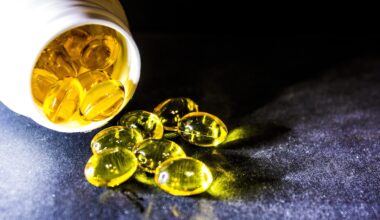

How to Recognize Vitamin Toxicity in Kittens
Kittens are adorable but require proper care to thrive. One critical aspect is managing vitamin intake. Over-supplementation can lead to vitamin toxicity, which can be harmful to your kitten. Understanding the symptoms is essential for early intervention. Common vitamins that can cause toxicity include Vitamin A, D, E, and K. Each plays a unique role in your kitten’s development. For instance, Vitamin A is crucial for vision, while Vitamin D aids calcium absorption. Symptoms of toxicity may manifest as lethargy, vomiting, or even more severe complications. If you notice any unusual behavior in your kitten, consult a veterinarian immediately. They can offer advice on the appropriate dietary needs for your feline friend. It’s important to follow guidelines based on your kitten’s age, weight, and health. Proper nutrition provides immunity and supports overall growth. Seek out vet-approved dietary options to safeguard your kitten against potential issues. Regular check-ups ensure that your kitten remains healthy as they grow. Always remember that prevention is better than cure. Be cautious with vitamin supplements to avoid unintended consequences. Nutritious, balanced diets can usually meet all necessary requirements effectively.
Monitoring vitamin levels can prevent toxicity-related health problems in kittens. Always be aware of the signs indicating potential overdoses. Depending on the vitamin type and dosage, symptoms vary among kittens. For instance, excessive Vitamin A can lead to bone deformities or even skin problems. Additionally, vitamin D overdose can result in hypercalcemia, a condition where calcium levels in the blood are dangerously high. Keeping a diet log can help track vitamin intake. Discuss your kitten’s diet with a veterinarian to ensure you meet their nutritional requirements safely. Cats are obligate carnivores and often derive the necessary vitamins from animal sources. However, commercial cat foods might provide excessive vitamin amounts. Always read product labels carefully to assess nutritional content. Look for the Association of American Feed Control Officials (AAFCO) statement on food quality. Minimize the risks by introducing new foods gradually. If choosing supplements, opt for those specifically formulated for kittens. Remember that some vitamins are fat-soluble, meaning they can accumulate in the body over time. Pairing them with the right fats may enhance absorption but could also lead to overload if mishandled. Always prioritize a balanced diet to minimize vitamin toxicity risks.
Common Signs of Vitamin Toxicity
Identifying vitamin toxicity in kittens can be challenging, yet crucial for their well-being. Early warning signs often include appetite changes, excessive drinking behavior, or lethargy. Kittens may also display unusual aggression or restlessness, indicating discomfort. Vomiting or diarrhea can occur as well, suggesting gastrointestinal distress. Weight loss or inability to grow properly are clear red flags that should not be ignored. If you observe these symptoms, keep track of dietary habits to identify potential sources of imbalance. Note any recent dietary changes; even well-intentioned adjustments can lead to unanticipated issues. Consult a veterinarian for a thorough assessment and possible blood tests to evaluate vitamin levels. This will determine whether any vitamin overdose is present. Diagnosis is essential, as symptoms can mimic other health conditions. If confirmed, your veterinarian will recommend a treatment plan, usually involving dietary adjustments. Managing the issue can include the elimination of supplements, hydration therapies, or modifying your kitten’s diet. Always listen to professional advice for your furry friend’s recovery. Avoid self-diagnosing as this may exacerbate existing health problems. Being proactive ensures healthier futures for your loving companions.
The balance in dietary vitamin levels is vital for a kitten’s overall health; therefore, careful management is necessary. It is equally important to educate yourself about each vitamin’s function and related risks. Keeping track of your kitten’s overall health and diet can help identify potential problems early. Normally, kittens receive their vitamin requirements from well-formulated commercial diets, but excessive supplementation can still occur. Fresh, high-quality food options can provide many essential nutrients without needing additional vitamins. Some frequently overlooked vitamins include B-complex and Omega-3 fatty acids. Vitamin B is essential for metabolism and energy levels. Meanwhile, Omega-3 fatty acids contribute to healthy skin and coat. Always opt for kitten-specific food during their developmental stages. Consult with a veterinarian if opting for any additional sources of nutrition. They can help ensure you avoid creating mismanaged nutritional plans. The right approach guarantees that your kitten grows healthily. Proper care requires awareness of nutritional details. A balanced diet, tailored for kittens, usually suffices without additional vitamin support. Regular health check-ups help verify your pet’s nutritional balance. Investing time and effort in proper nutrition leads to healthier, happier kittens.
Consulting Your Veterinarian
The involvement of a veterinarian is indispensable when it comes to nutritional management for kittens. A qualified veterinarian can provide personalized recommendations tailored to your pet’s specific needs. Examination of overall health, along with dietary habits, offers insights into vitamin requirements. Regular visits support timely updates in nutritional plans, ensuring your kitten receives optimal care. These check-ups also allow for monitoring of any potential reactions to dietary components. Consulting with a vet ensures that you understand how individual vitamins contribute to kitten health. Moreover, understanding breed-specific requirements helps in forming a balanced diet. A comprehensive understanding of the complete nutrient profile avoids potential toxicity incidents. It’s also vital to discern the difference between supplements for kittens versus those formulated for adult cats. Not all vitamins are created equal, and oversights can result in health complications. Treatment for any symptoms observed may involve guided detoxification or amendments to dietary intake. In turn, responsible pet ownership necessitates vigilant monitoring of dietary practices and potential side effects. If unsure about proper practices, reach out for professional guidance immediately. Take proactive measures to help your kitten stay in peak health throughout their lifespan with sound nutrition.
Understanding how vitamin toxicity can affect kittens necessitates awareness of common dietary practices. Many pet owners inadvertently over-supplement their kittens thinking they are providing additional benefits. However, too much of even known essential vitamins can lead to dangerous health implications. Be mindful of the symptoms indicative of three main vitamin concerns: A, D, and E. Oftentimes, symptoms arise quickly, so being observant is crucial in managing your pet’s diet. Work closely with your vet to monitor foods containing these vitamins. Fat-soluble vitamins can accumulate, compounding issues over time. The right diet consisting of premium, kitten-specific food provides adequate vitamins without risk. Observe your cat’s reactions and behaviors afterward for any adverse effects. Teaching yourself or your family members about proper kitten nutrition establishes a safe feeding environment. Include high-quality protein sources while minimizing carbohydrate intake. Avoid any potential hazards by being aware of ingredients in non-commercial foods. Additionally, by learning about serving sizes, you can promote a balanced approach to diet. Continuous education about feline nutrition enhances both your understanding and your kitten’s well-being.
Conclusion and Best Practices
In conclusion, fostering a healthy environment for your kitten requires careful consideration regarding their vitamin intake. By actively monitoring their diet and behavioral responses, you set the foundation for overall wellness. Awareness of vitamin toxicity is vital, as prevention is better than cure. Various factors contribute to dietary needs, including age, activity levels, and health conditions. Always collaborate with your veterinarian to formulate the best nutritional plan. The use of high-quality kitten foods can help mitigate the risks associated with oversupplementation. Understanding and recognizing the symptoms of vitamin toxicity is just as important. If you ever feel uncertain about your kitten’s diet or behavior changes, seek expert advice right away. Maintaining communication with your veterinary professional leads to better health outcomes. Regular check-ups further ensure that dietary needs are met, preventing any potential issues from arising. Additionally, foster a good understanding of what a balanced diet looks like for kittens. Establish understanding among family members regarding safe feeding practices and the dangers of unmonitored vitamin supplementation. Educating yourself and others reinforces a safe, loving environment for your growing kitten. Invest time and care in their diet today for a healthier tomorrow.
As you nurture your adorable kitten, the importance of monitoring their vitamin intake cannot be overstated. Recognizing the symptoms of vitamin toxicity is crucial for timely intervention. You can help your pet flourish with the right balance of nutrition. Hiring a veterinarian to evaluate your kitten’s dietary practices can guide responsible feeding habits. Educate yourself on dietary requirements to understand which essential vitamins aid growth while avoiding excess. Prompt attention will ensure any evolving health issues are addressed effectively. Healthy kittens are typically happy kittens, and you play a vital role in that equation. Foster awareness by maintaining an open dialogue with your veterinarian about any concerns or changes observed in your furry friend. Commit to continuous learning as this will benefit your kitten in the long run. Careful monitoring and awareness can prevent toxic episodes that lead to serious health consequences. Assess the importance of using balanced nutrition over supplements when possible. By tuning into your kitten’s needs, you can adapt their diet to suit their health milestones. Let your love for your pet guide appropriate choices, ensuring joyful moments together for years to come, knowing you have prioritized their health.