
Zinc in Cat Diets: Benefits and Sources
Zinc is a pivotal mineral for cats, playing a fundamental role in various biological functions. It supports immune system function, aids in wound healing, and is essential for skin health. A zinc deficiency can lead to severe health issues in cats, including skin irritations, poor coat quality, and compromised immunity. It is essential for the proper functioning of over 300 enzymes that facilitate the metabolic processes within a cat’s body. Moreover, zinc contributes to the synthesis of proteins and DNA, making it vital for growth and development. Therefore, ensuring an adequate intake of zinc is crucial for overall feline health. Natural dietary sources of zinc include meat, fish, eggs, and some grains, with organ meats like liver being particularly zinc-rich. Special attention must be paid to cats on vegetarian diets, as they often miss out on these crucial nutrients. To maintain optimal health, requiring both macro and micro-nutrients, zinc stands out as one mineral that shouldn’t be overlooked in cat nutrition. Be sure to monitor your cat for signs of deficiency and maintain a well-balanced diet to ensure adequate zinc intake.
The Importance of Zinc in Cat Health
Understanding zinc’s role in cat health offers crucial insights into necessary dietary adjustments. Zinc assists in numerous health-related functions including the development of skin, hair, and mucosal membranes. Furthermore, it fosters the brain’s health, while also having implications in the reproductive system and metabolic function. An adequate zinc level can improve fertility rates in cats, making it a key mineral for breeding programs. Deficiency in zinc may lead to symptoms such as lethargy, inability to maintain body temperature, and reduced resistance to infections. Ensuring proper supplementation or dietary inclusion of zinc-rich foods can help prevent these adverse effects. Cat owners should be vigilant in observing any changes in their feline pets that might indicate a need for increased zinc intake. An active lifestyle for cats, alongside a balanced diet that includes appropriate zinc levels, enhances their vitality. For those consulting with a veterinarian, discussions about incorporating zinc in their pet’s diet can lead to tailored nutrition plans. Proper supplementation can ultimately promote long-term health and well-being for our feline companions.
Several significant food sources provide cats with adequate zinc, essential in their diets, to ensure optimal health. Animal-based proteins like chicken, turkey, and beef are excellent sources of zinc. Fish, including sardines and salmon, not only offer protein but are also rich in this vital mineral. While some plant-based ingredients like chickpeas and lentils contain zinc, it’s crucial to note that cats, as obligate carnivores, primarily thrive on animal-derived zinc sources. Supplements may be required for cats with restrictive diets, such as those lacking meat. Pet owners should always consult with their veterinarian prior to introducing supplements. It’s essential to follow recommended dosages to avoid zinc toxicity, which can negatively impact a cat’s health. Regular check-ups can help maintain a balanced intake of minerals, including zinc, ensuring all dietary needs are met. Commercial cat foods frequently contain adequate amounts of zinc, crafted to meet the nutritional requirements for various life stages. Foods designed for kittens, adults, and seniors contain specific nutrient profiles to promote healthy growth and maintenance. Providing these diets can easily meet a cat’s zinc needs without additional supplementation.
Recognizing Zinc Deficiency in Cats
Recognizing the signs of zinc deficiency in cats is critical for early intervention and treatment. Common symptoms include skin lesions, itchy and flaky skin, and hair loss. Additionally, changes in appetite or energy levels may indicate health problems stemming from inadequate zinc. Some cats may even exhibit behavioral changes due to compromised cognitive functions. If these symptoms appear, consulting with a veterinarian is essential for accurate diagnosis and management. Blood tests can help determine zinc levels alongside other deficient minerals. Cats with specific health issues or those exhibiting abnormal behaviors could benefit from targeted zinc supplementation and dietary adjustments. Prompt action can prevent further complications related to skin, immunity, or overall well-being. Regular observation of cat health, coat quality, and behavior serves as a valuable practice in proactive pet care. Furthermore, maintaining open communication with veterinarians about any concerns or symptoms is vital for ensuring a well-rounded health regimen. Ensuring a balanced diet rich in all essential vitamins and minerals, including zinc, can guarantee healthier and happier felines.
In conclusion, zinc stands as a vital mineral indispensable to maintaining optimal health in cats. From supporting immune functions to promoting skin healing, its significance cannot be overstated. The bioavailability of zinc in animal-based sources makes it the ideal nutritional choice for felines. Each cat owner must understand the implications of zinc deficiencies and respond promptly to symptoms indicating an imbalance. Consulting with a veterinarian can assist in formulating an appropriate diet tailored to meet individual feline needs. By ensuring that pet diets are well-rounded and zinc-inclusive, owners can help prevent many associated health issues, granting their cats a healthier life. Moreover, staying informed about cat nutrition trends and research enables pet owners to make educated decisions. Source quality and formulations are paramount when selecting cat foods to provide adequate nutrients. The variety of available commercial diets makes it easier than ever to ensure that a cat receives necessary minerals like zinc through balanced meals. Ultimately, a proactive approach to cat nutrition ensures that these cherished companions remain healthy, active, and content throughout their lives.
Supplementation and Dietary Options for Zinc
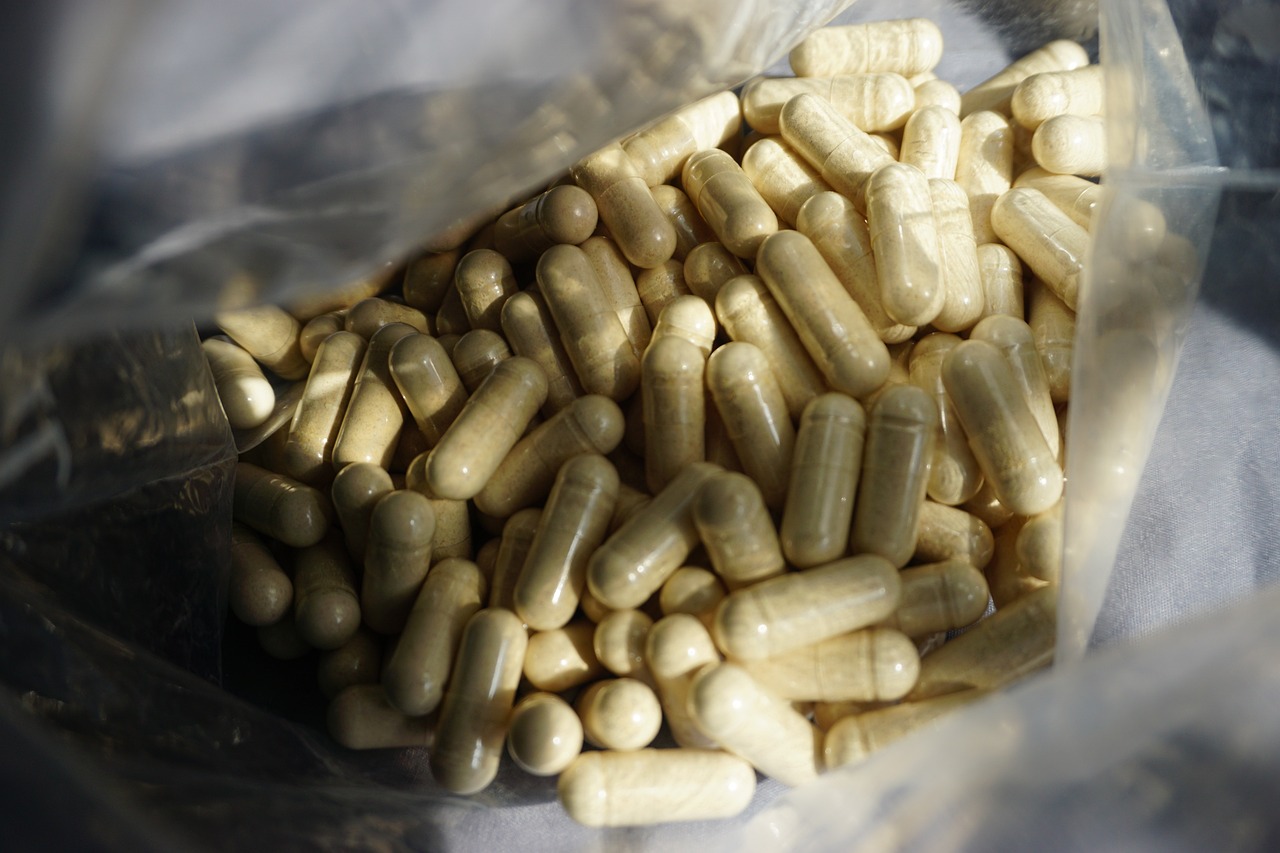
When it comes to providing adequate zinc to cats, various supplementation and dietary options exist. Pet owners can choose between commercial cat foods, which are often formulated to meet essential nutrient requirements, or consider incorporating specific zinc supplements directly if necessary. Supplements can come in forms such as tablets, capsules, and even liquids, providing a wide range of options based on preference. However, owners should ensure that these supplements are specifically formulated for feline consumption to avoid toxicity. Some vet-approved supplements can complement dietary zinc requirements without excessive intake concerns. A growing trend in pet nutrition emphasizes the inclusion of fresh, high-quality ingredients that naturally contain essential minerals, including zinc. Incorporating cooked meats, fish, or veterinary-approved homemade recipes can boost zinc levels in the diet effectively. Regular evaluations of dietary habits can also help maintain an appropriate nutritional balance. Research into pet food quality continues to evolve, ensuring that upcoming products are increasingly aligned with cats’ biological needs. Always consult with veterinary professionals to understand the best approach in maximizing zinc through both dietary options and supplementation.
In practice, having nutritious options readily available for cats can help easily mitigate issues related to zinc deficiency. However, it is crucial for pet owners to research and consider using vetted products that ensure safety and efficacy. While homemade diets can offer control over nutritional content, professional input from veterinarians or pet nutritionists is often warranted for developing suitable meal plans. Reliable brands often have nutritional information made public, allowing owners to make well-informed choices. Ensuring complete and balanced meals packed with necessary nutrients like zinc becomes critical for maintaining optimal feline health. Always examine ingredient lists for key nutritional specifications and quality to make the best dietary decisions. Zinc isn’t the only nutrient needing attention; a comprehensive strategy includes an array of vitamins and trace elements essential for a cat’s health. Spaying and neutering, along with timely regular vet checkups, should also be integral components of a cat owner’s proactive approach. Ultimately, embracing responsible pet ownership involves a mindful and educated approach to feline nutrition.
Conclusion
Nutrition plays a fundamental role in ensuring a healthy life for our feline friends. As pet owners, it is crucial to be aware of the nutritional requirements that cats need to thrive. Zinc is among the essential minerals that demand attention, contributing to skin health, metabolic processes, and overall well-being. Pet owners may enhance their cats’ diets by selecting quality commercial foods or supplementing carefully with prescribed items. Paying attention to symptoms of deficiency and addressing them promptly ensures the long-term health of our cats. Regular consultation with a veterinarian helps maintain optimal dietary practices and timely adjustments. The balance of zinc in a cat’s diet significantly contributes to a cat’s quality of life and longevity. With the wealth of knowledge available today, cat lovers can ensure their pets receive the best care through thoughtful nutrition. Incorporating holistic approaches enriches the feeding experience and keeps our cats vibrant and playful. Ultimately, nurturing our cats should reflect the same dedication and love we feel for them daily, ensuring they lead happy, healthy lives.