
Balancing Rest and Activity for Older Dogs
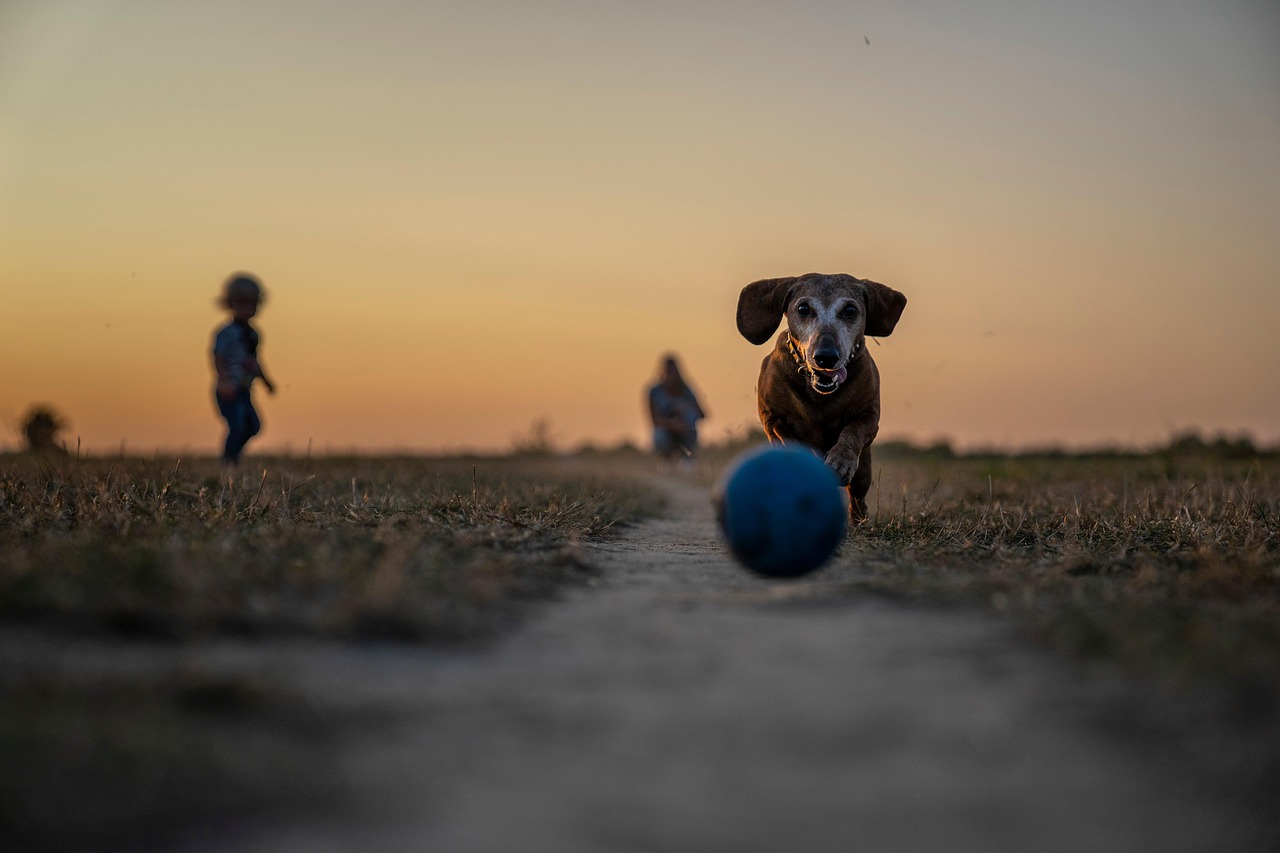
The aging process in dogs often significantly impacts their energy levels and exercise needs. Many dog owners may notice that their once-active companions now prefer quieter pastimes. Therefore, understanding how much activity and rest is necessary for senior dogs is crucial. Seniors often develop joint issues, heart problems, or decreased stamina, which require modifications in their exercise routines. Striking the right balance ensures that older dogs remain healthy, active, and mentally stimulated. This balance not only helps maintain their physical condition but also enhances their overall quality of life, reinforcing the bond with their owner. When formulating an exercise regimen, it’s essential to monitor the dog’s responses closely. For example, if a dog appears fatigued or shows signs of discomfort, adjustments should be made promptly. Engaging elderly dogs in low-impact activities, such as gentle walks or swimming, can promote fitness without overwhelming them. Moreover, paying attention to their cues will foster trust and understanding in their daily interactions. Therefore, be patient and flexible with exercise routines as cognitive and physical capabilities change over time.
One of the most effective strategies for ensuring exercise is tailored to an aging dog’s needs is to embrace their natural inclinations. Depending on the dog’s personality and breed, some dogs may prefer specific types of activities over others. For instance, more social breeds may thrive in group settings with other canines. Alternatively, some older dogs might find comfort and security in solo activities, like leisurely walks around the neighborhood. In any case, activities should align with their current physical capabilities. Additionally, reinforcing mental stimulation alongside physical exercise can enhance an older dog’s engagement. Engaging them in games such as hide-and-seek with toys or interactive puzzle feeders can enrich their environment. It is essential to include commands like “sit,” “stay,” or “come” during these games, as they reinforce training and promote agility. Offering variety can help maintain energy levels while combating boredom. Ensuring a well-rounded experience, mentally and physically, will lead to a happier and healthier dog. Therefore, adjusting exercise according to their preferences and physical limits is vital for their well-being.
Importance of Routine in Older Dogs
Establishing a routine can also be advantageous in maintaining an appropriate exercise and rest balance for your older dog. Dogs are creatures of habit, and having a consistent schedule for walks, playtime, and feeding can instill a sense of security. This predictability can promote better behavior and reduce anxiety. With aging dogs, routine flexibility is crucial, as their energy levels change throughout the day. Early mornings may be better suited for some dogs, while others might prefer afternoons or evenings. Incorporating new elements into the routine can also keep it exciting. For instance, varying the route during walks introduces new scents and sights, stimulating their mind. On days when they seem particularly fatigued, consider shorter, more frequent walks instead of one long duration. It’s important to prioritize quality over quantity. If possible, bringing some canine-friendly toys can also make excursions more enjoyable, adding elements of exploration and play. Remember that routine encourages exercise while also supporting relaxation periods that enable older dogs to recharge. A well-planned approach can enhance both physical activity and mental engagement.
Socialization remains a key element in an older dog’s well-being. Older dogs still benefit from interacting with other dogs and people. Appropriate socialization can provide mental stimulation, helping them feel connected and active within their environment. Engaging in puppy playdates, attending dog-friendly events, or visiting parks can break the monotony. However, it’s essential to monitor their interactions closely, ensuring that they are not overwhelmed or physically strained. Consider selecting companions with similar energy levels to promote comfortable encounters. Engaging with a familiar companion can ease any stress and provide encouragement for physical activity. Additionally, enrolling in training classes designed for older dogs allows them to work at their individual pace while enjoying the social aspects. Group training settings can provide mental stimulation while promoting structured exercises. Always observe the dog’s response to these interactions, and modify activities if they become too taxing. Keeping socialization opportunities fresh will help keep your aging dog engaged, fostering a positive attitude towards life. A well-maintained social life is essential for overall well-being in senior dogs, actively enriching their experience.
Cautions and Signs of Overexertion
As with any living being, recognizing when an older dog has had enough exercise is critical. Owners must be vigilant about signs of overexertion, which can manifest in various ways. Common indicators include excessive panting, limping, lethargy, or disengagement during activities. If a dog appears reluctant to continue or seems out of breath, it’s essential to halt the activity immediately. Additionally, any signs of distress, such as whining or whining should prompt a reassessment of the exercise routine. Older dogs may not always communicate fatigue, necessitating a proactive approach in monitoring them. Regular check-ups with a veterinarian can also help provide tailored advice and help identify specific limitations related to age or health concerns. It is advisable always to have water available, especially during warmer months, facilitating hydration during exercise. Creating short intervals of rest during walks or play can significantly benefit older dogs, allowing them to regain strength. Being attentive to physical limitations can prevent injuries and ensure their well-being. Systematic adjustments will help owners strike the right balance between activity and rest for their much-loved companions.
Another critical aspect of managing the exercise needs of aging dogs is diet. Nutrition plays a pivotal role in sustaining energy levels and maintaining a healthy weight. Older dogs tend to have reduced activity levels, which can contribute to obesity if caloric intake remains unchanged. It’s essential that owners consult with a veterinarian to establish the most appropriate diet tailored to their dog’s age, weight, and health conditions. High-quality, easily digestible foods can significantly impact energy levels without adding excess weight. Additionally, incorporating joint-supporting supplements like omega-3 fatty acids can improve mobility and reduce discomfort. Frequent, smaller meals throughout the day can also stabilize energy levels. Preparing meals rich in nutrients will assist in maintaining an active lifestyle. Avoiding table scraps and unhealthy treats can further help keep their weight in check. An adequate balance between proper nutrition and a suitable exercise plan can greatly enhance the quality of life for senior dogs. Consequently, pet healthcare routines should prioritize well-balanced meals, ensuring senior dogs can engage comfortably in both rest and physical activities.
Conclusion: A Harmonious Life for Older Dogs
Successfully balancing rest and activity for older dogs is an ongoing process that evolves with their changing needs. As age takes its toll on their bodies, it is crucial to adapt exercise plans methodically while considering mental stimulation. Emphasizing stress-free, enjoyable interactions encourages both physical fitness and mental engagement, fostering a positive environment for their well-being. Establishing a consistent yet flexible routine can significantly enhance their emotional stability. Each dog’s personality is unique; tailoring activity will maximize their potential while minimizing the risk of overexertion. Encouraging social interactions and carefully monitoring their behaviors will provide insights into their comfort levels and needs. In addition, conscientious dietary choices play a fundamental role in maintaining their health. By ensuring they receive adequate nutrition and exercise, older dogs will continue to experience a high quality of life. Remember that individual observations and adjustments are valuable traits of responsible dog ownership. Ultimately, the goal is to nurture a harmonious lifestyle that emphasizes not just physical fitness but also emotional security for senior dogs, allowing them to thrive as beloved family members.
The aging process in dogs often significantly impacts their energy levels and exercise needs. Many dog owners may notice that their once-active companions now prefer quieter pastimes. Therefore, understanding how much activity and rest is necessary for senior dogs is crucial. Seniors often develop joint issues, heart problems, or decreased stamina, which require modifications in their exercise routines. Striking the right balance ensures that older dogs remain healthy, active, and mentally stimulated. This balance not only helps maintain their physical condition but also enhances their overall quality of life, reinforcing the bond with their owner. When formulating an exercise regimen, it’s essential to monitor the dog’s responses closely. For example, if a dog appears fatigued or shows signs of discomfort, adjustments should be made promptly. Engaging elderly dogs in low-impact activities, such as gentle walks or swimming, can promote fitness without overwhelming them. Moreover, paying attention to their cues will foster trust and understanding in their daily interactions. Therefore, be patient and flexible with exercise routines as cognitive and physical capabilities change over time.