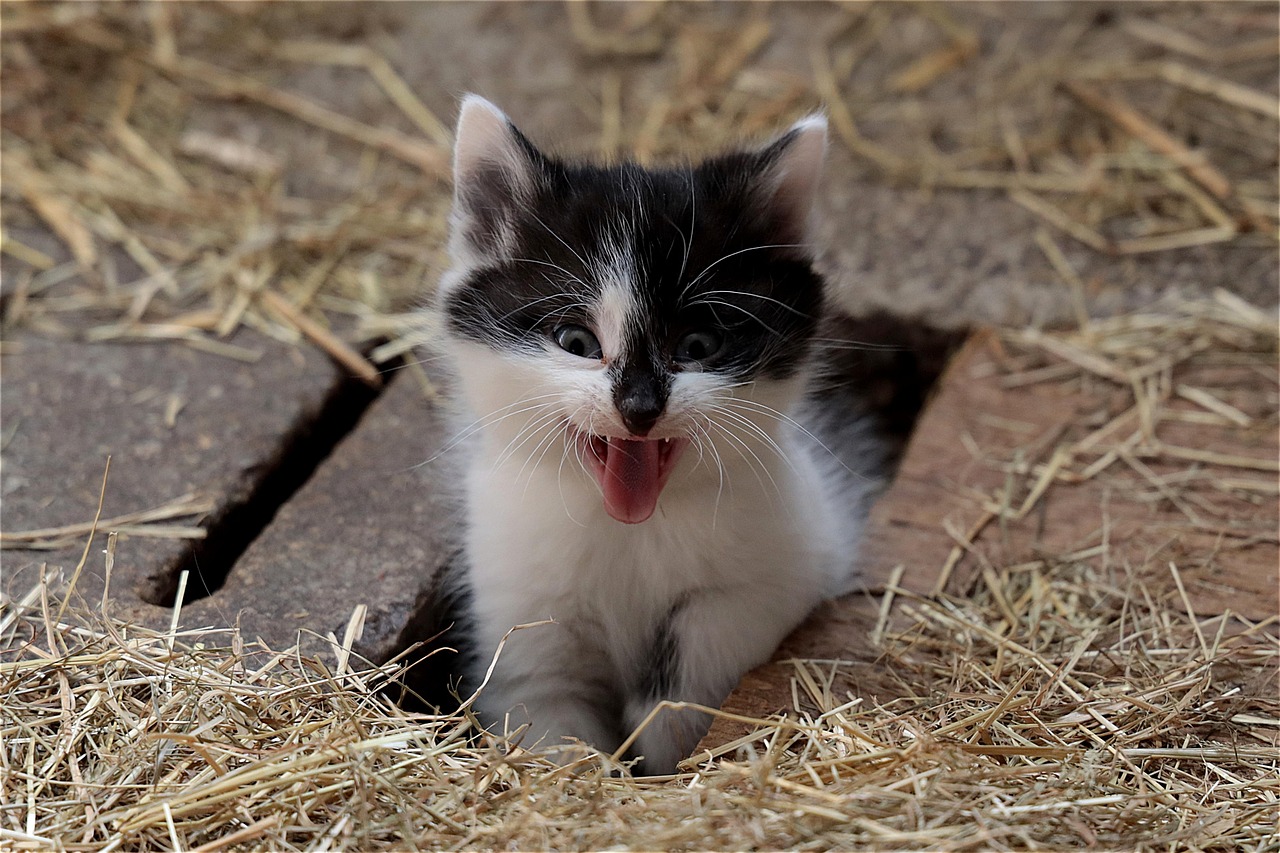

Understanding Cat Fearfulness
Fearfulness in cats is a common issue that can stem from various sources. Many cats experience anxiety or fear related to new environments, loud noises, or unfamiliar people. Recognizing signs of fearfulness is essential for addressing this behavior. Common indicators of fear in cats include hiding, excessive grooming, aggression, and avoidance. It’s crucial to note that fear can lead to long-term behavioral issues if not addressed appropriately. Understanding your cat’s triggers is the first step in reducing their fear. Owners should observe their cats closely to identify specific situations that cause stress. Creating a safe space within the home, where the cat can retreat when feeling scared, can be beneficial. Additionally, positive reinforcement training methods can help cats gradually face their fears in a controlled manner. Techniques such as clicker training can encourage desired behaviors while reducing anxiety. In this way, owners can build their cat’s confidence over time. Implementing gradual exposure to fear-inducing stimuli using treats and praise can also aid in building a more confident feline. Always approach the process with patience, as overcoming fear is a gradual journey requiring consistency and understanding.
One effective strategy for helping a fearful cat is to establish a consistent routine. Cats thrive on predictability, and a structured environment can provide comfort and security. Feed your cat at the same time each day, engage in daily play, and maintain consistent litter box cleaning practices. Routine builds a safe environment where cats know what to expect. In addition to maintaining a routine, cat owners should provide ample mental and physical stimulation. Boredom can exacerbate anxiety, so incorporating toys, climbing structures, and interactive games can help. Engaging with your cat through play doesn’t just keep them entertained; it also builds trust and comfort. Moreover, consider creating vertical spaces for your cat, such as shelves or cat trees, where they can observe their environment from a safe height. This perspective allows them to feel more in control of their surroundings. In instances where fearfulness is severe, consulting with a veterinarian or animal behaviorist is advisable. These professionals can offer tailored advice and strategies, including potential behavior modification techniques or, in some cases, medication to alleviate anxiety. Always monitor your cat’s progress for any changes in behavior or mood.
Desensitization Techniques
Implementing desensitization techniques can significantly reduce fear in cats. Gradual exposure to the fear-inducing object or situation allows the cat to adjust over time. Start by introducing the trigger at a distance where the cat feels safe. For instance, if a new person is intimidating, have them sit quietly at a distance while offering treats to the cat. Gradually decrease the distance over several sessions as the cat becomes more comfortable. Pairing positive experiences with these exposures is vital. Use high-value treats or engage in play to create a positive association with previously frightening stimuli. It’s important to move at the cat’s pace; forcing them too quickly may lead to increased anxiety. Building slowly helps ensure that their confidence grows without overwhelming them. It may also be beneficial to use calming products or pheromones during desensitization sessions, as these can help to reduce stress levels. Remain patient throughout the process, as each cat is unique and may progress at different speeds. Continuous encouragement and support from owners will create a more secure environment for fearful cats to thrive.
Social interaction is another crucial element in reducing fearfulness in cats. Allowing your cat to interact with other pets or trusted individuals can promote confidence. Start by ensuring that introductions are slow and controlled. Cats tend to be territorial, so gradual integration without pressure is paramount. Utilizing scent swapping techniques can help prepare your cat for new companions. This strategy involves exchanging blankets or toys between the two cats to familiarize them with each other’s scent. Once they are comfortable, supervised introductions can take place. Always reward calm behavior with treats and praise to reinforce positive interactions. If your cat shows signs of fear, return to separate spaces and try again later. Moreover, fostering a friendly atmosphere with your family and visitors is essential. Teach everyone in the household to respect the cat’s personal space and approach calmly. Even allowing guests to sit quietly while letting the cat come to them can instill a sense of safety. This method reduces the likelihood of your cat feeling cornered or threatened, creating an overall more positive social experience. Ultimately, establishing a loving, warm environment goes a long way in building confidence.
Utilizing Cat Comfort Products
Introducing comfort products into your cat’s environment can also aid in alleviating fear. Products such as calming collars, diffusers, and sprays contain natural ingredients that help ease anxiety. These can be especially effective during stressful situations, such as thunderstorms or fireworks. Additionally, providing cozy hideouts like caves or covered beds ensures that your cat has a safe space to retreat. Elevated areas can make cats feel more secure as they allow them to observe their surroundings without feeling threatened. Enrichment items such as puzzle feeders also provide mental stimulation. Offering treats within interactive toys can distract a fearful cat and redirect their focus away from stressors. Another great product is the use of Feliway pheromone diffusers, which release calming scents that can promote tranquility in your home. It’s also beneficial to interact with your cat in comfortable environments with minimal stress. This approach fosters a safe atmosphere conducive to relaxation and bonding. Overall, the combination of these comfort products, alongside careful attention to their needs, can contribute to decreased anxiety and improved confidence.
Incorporating regular play sessions into your cat’s routine encourages physical activity, enhancing confidence and reducing anxiety. Cats are natural hunters, and engaging them in interactive play satisfies their instinctual urges. Utilize toys that mimic prey, such as feather wands or laser pointers, to stimulate their engagement. Not only does play provide exercise, but it also serves as an opportunity for bonding. As your cat becomes more comfortable during play, try varying the environment to introduce new stimuli gently. This exposure can help your cat learn to adapt to different circumstances without fear. Moreover, engaging in play helps release pent-up energy that could otherwise contribute to anxiety. It’s essential to schedule daily play sessions, focusing on quality interactions that promote trust. In addition to play, ensure your cat’s environment is enriching, providing a variety of experiences. Rotate toys to keep their interest piqued while preventing boredom. Establishing a safe yet stimulating home will ultimately cultivate a confident cat. Patience is vital as you work to enhance their comfort level. Celebrate their milestones, however small, encouraging them to embrace new experiences with confidence as they develop.
Seeking Professional Help
When fearfulness continues to challenge your cat’s well-being, seeking professional advice is a prudent step. A veterinarian or certified animal behaviorist can help identify the root causes of your cat’s anxiety. They often use various assessment techniques to understand your cat’s behavior better and develop tailored plans to assist your pet. In some cases, behavioral therapy may be recommended, relying on structured approaches to modify fearful behaviors. Behavioralists often advise owners on implementing effective training strategies, choosing appropriate environmental modifications, and establishing routines that ease anxiety. If anxiety persists and is detrimental to your cat’s quality of life, veterinary professionals may recommend anxiety medication as part of a comprehensive treatment plan. These medications can help your cat remain more relaxed, facilitating behavioral changes over time. It’s essential to consider this as a complementary approach alongside behavioral interventions. Through collective efforts, you can guide your cat to navigate their fear and build resilience. Encouragement, understanding, and professional support create a solid foundation for fostering confidence and reducing fearfulness, enabling your furry friend to thrive in a more positive environment.
Consistency in your efforts to reduce cat fear and improve confidence is crucial for long-term success. The strategies discussed emphasize building routines, providing comfort, and fostering social interactions. By understanding your cat’s triggers and employing gradual exposure, you can transform fearful behaviors into opportunities for growth. Remember to monitor progress, celebrate small victories, and maintain patience throughout this journey. Every cat is unique, and adapting these strategies to suit their specific needs will yield the best results. By employing play, comfort products, and professional help, you are actively participating in helping your cat reclaim their confidence. In time, your cat is likely to become more relaxed and comfortable, contributing to a harmonious home environment. Therefore, prioritize a balanced approach that integrates these methods into your daily routine. Over time, you will witness significant changes in your cat’s behavior, leading to a happier and healthier feline. Consider sharing your experiences and progress with fellow cat owners for additional support. Together, you can foster an understanding community focused on improvement and well-being for all cats. With dedication and love, you can pave the way for your cat to overcome fearfulness and thrive.