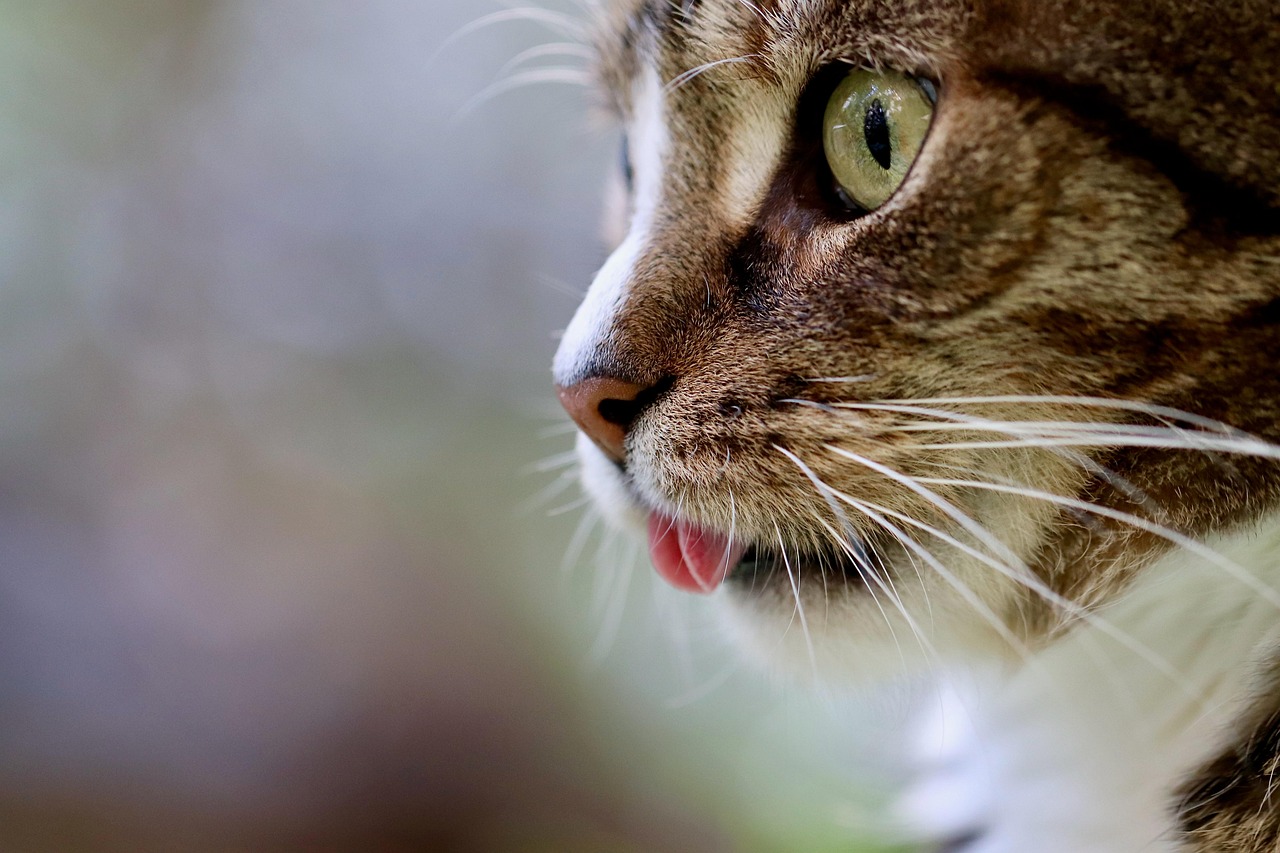

Why Adult Cats Need Regular Vaccinations
As pet owners, ensuring the health of your furry friends is paramount. Regular vaccinations for adult cats are a crucial aspect of their overall well-being. Vaccines help protect against various infectious diseases, some of which can be fatal. In adulthood, a cat’s immune system may weaken, making it more susceptible to health issues. An up-to-date vaccination schedule ensures your cat is safeguarded against these dangers. Core vaccinations typically include rabies and feline distemper, among others. Non-core vaccines, like those for feline leukemia or Bordetella, may also be recommended based on your cat’s lifestyle. Regular check-ups with your veterinarian are essential for developing an appropriate vaccination plan. Pet health not only affects your cat but also impacts your household and other pets. Therefore, adhering to an adult cat vaccination schedule is a responsible choice. It promotes better health, reduces expensive veterinary bills from treatable conditions, and can prevent the spread of diseases within local animal populations. Don’t hesitate to consult your veterinarian for more information regarding your cat’s vaccination needs and create a tailored schedule that fits their lifestyle to ensure a healthy feline companion.
Vaccination is important for cats since it offers immunity against various diseases. Regular vaccinations are essential even in adulthood, as a cat’s immune system changes with age. Adult cats can contract diseases like feline viral rhinotracheitis or calicivirus, which can be avoided through appropriate vaccines. These conditions can lead to respiratory issues and overall health declines. Following a vaccination schedule keeps your cat protected from such illnesses and contributes to their longevity. Another key benefit of vaccination is herd immunity. By vaccinating your cat, you protect not only them but also other cats in the community. This collaborative effort helps maintain a lower incidence of disease spread among domestic animals. Veterinarians typically recommend a booster shot every one to three years, depending on the vaccine and individual health needs. Maintaining a vaccination record is beneficial for pet owners, simplifying future veterinary visits and travel requirements. In addition to promoting a healthy environment, keeping your vaccinations current ensures compliance with local pet regulations. Don’t overlook this vital aspect of your cat’s healthcare. Make a note to discuss vaccination scheduling with your veterinarian during routine check-ups.
Understanding Core and Non-Core Vaccines
A proper vaccination protocol for adult cats includes both core and non-core vaccines. Core vaccines are essential for all cats, regardless of lifestyle, as they protect against widespread and severe infections. Examples include the rabies vaccine and the feline panleukopenia vaccine, which are critical due to their severe implications. On the other hand, non-core vaccines are tailored based on factors like a cat’s lifestyle and geographic location. Feline leukemia virus (FeLV) and Bordetella are common non-core vaccines to consider. Discuss your cat’s activity and exposure risks with your veterinarian to determine the necessary vaccinations. It’s important to note that just like humans, adult cats may experience side effects from vaccinations. Common effects include mild lethargy, swelling at the injection site, or temporary fever. These incidents typically resolve within a few days. However, it’s vital to monitor your cat after vaccination. In some rare cases, severe allergic reactions can occur. Always report unusual behaviors or reactions to a veterinarian. Understanding the difference between core and non-core vaccines ensures your adult cat receives the right level of protection suitable for their unique circumstances.
Regular vaccinations also contribute to the overall wellness of adult cats beyond disease prevention. Routine vaccinations help establish a trust relationship with your veterinarian, promoting preventative care. Adult cats should undergo regular veterinary examinations, as issues often go unnoticed without professional assessment. During these check-ups, your veterinarian evaluates the cat’s health and adjusts their vaccination plan accordingly. Most importantly, regular visits allow for timely identification and treatment of potential health problems, contributing to overall well-being. A holistic approach to cat health encompasses nutrition, exercise, and mental stimulation, alongside vaccinations. Reputable veterinarians often discuss dietary choices and physical activity during health checks. Cats, particularly those that stay indoors, may need additional enrichment to combat boredom. Besides ensuring correct vaccinations are administered, get dietary advice tailored to your adult cat’s specific needs. Utilize vet resources to enrich your cat’s lifestyle, ensuring they lead a more fulfilling life. An all-inclusive health plan will not only extend their lifespan but also improve their happiness and quality of life. Remember that your active participation in your cat’s health reflects love and responsibility.
The Importance of Timely Booster Shots
Booster shots play a significant role in maintaining immunity throughout an adult cat’s life. Over time, immunity from vaccines can wane. Thus, it’s crucial not to miss scheduled booster shots, which revitalize the immune defense against diseases. Some vaccines require more frequent boosters than others. For example, rabies vaccines typically necessitate renewal every one to three years, depending on local regulations. Schedule a reminder in your calendar for booster shots, ensuring you provide timely vaccinations. A common misconception is that if a cat appears healthy, vaccinations can be skipped. This is a false assumption, as many diseases can remain dormant, posing risks even if the cat seems fine. Keeping up-to-date with booster shots can help ensure the cat’s long-term health. Also, vaccination records may be required for kennel or travel arrangements. Plan ahead for sessions with your vet, including scheduling pet day-care appointments or travel plans. Documentation regarding vaccinations supports compliance with various entity regulations, ensuring safe interactions with other pets. An organized approach regarding vaccines significantly benefits your furry companion’s health and socialization.
The awareness of vaccination importance should extend beyond personal knowledge; engaging in community discussions on pet health is vital. Sharing your knowledge on adult cat vaccinations can significantly impact a larger network of pet owners. Initiatives like community health days may help facilitate vaccinations, allowing easy access for pet owners. Register with local animal welfare organizations that provide educational resources and vaccination clinics. Attend seminars and workshops that promote understanding of the necessity of vaccinations for adult cats. Building a community-driven network not only strengthens public health but also increases awareness about responsible pet ownership. Moreover, supporting local veterinarians and clinics can keep them engaged in community wellness efforts. Social media platforms provide an opportunity to share insights and learn from others. Discussion groups can amplify the awareness of pet health, including vaccination topics. Encourage collaboration among local shelters, rescue groups, and pet owners. A united effort fosters a healthier, more responsible pet community. By embracing collective responsibility, pet ownership becomes not only an individual journey but also a shared mission. Help elevate awareness of the importance of vaccinations within your community, paving the way for healthier future generations of pets.
Conclusion on Adult Cat Vaccination
In summary, maintaining an adult cat vaccination schedule is vital to ensuring optimal health and well-being. Regular vaccinations serve as proactive protection against numerous diseases, ensuring your cat remains safe throughout its life. Consequently, establishing a robust vaccination schedule enhances their immunity while reinforcing the bond between you and your furry friend. Core and non-core vaccinations are essential components of a comprehensive plan. Furthermore, engaging with your veterinarian about timing for booster shots is similarly essential, given the changing dynamics of immunity as cats age. Timely vaccination ultimately reflects responsible pet ownership, benefiting not only your cat but also the broader community. Additional research and outreach can further awareness of vaccination significance. As a collective, embracing proactive pet care is imperative, especially during a global focus on health. With ongoing education and shared resources, we can create healthier environments for both pets and their owners. Share your experiences and knowledge with fellow cat owners, fostering a dialogue about suitable vaccination practices. Empowering yourselves with information creates a positive ripple effect in the welfare of both adult cats and their communities. Caring for pets is a lifelong commitment, and vaccinations are an irreplaceable part of that journey.