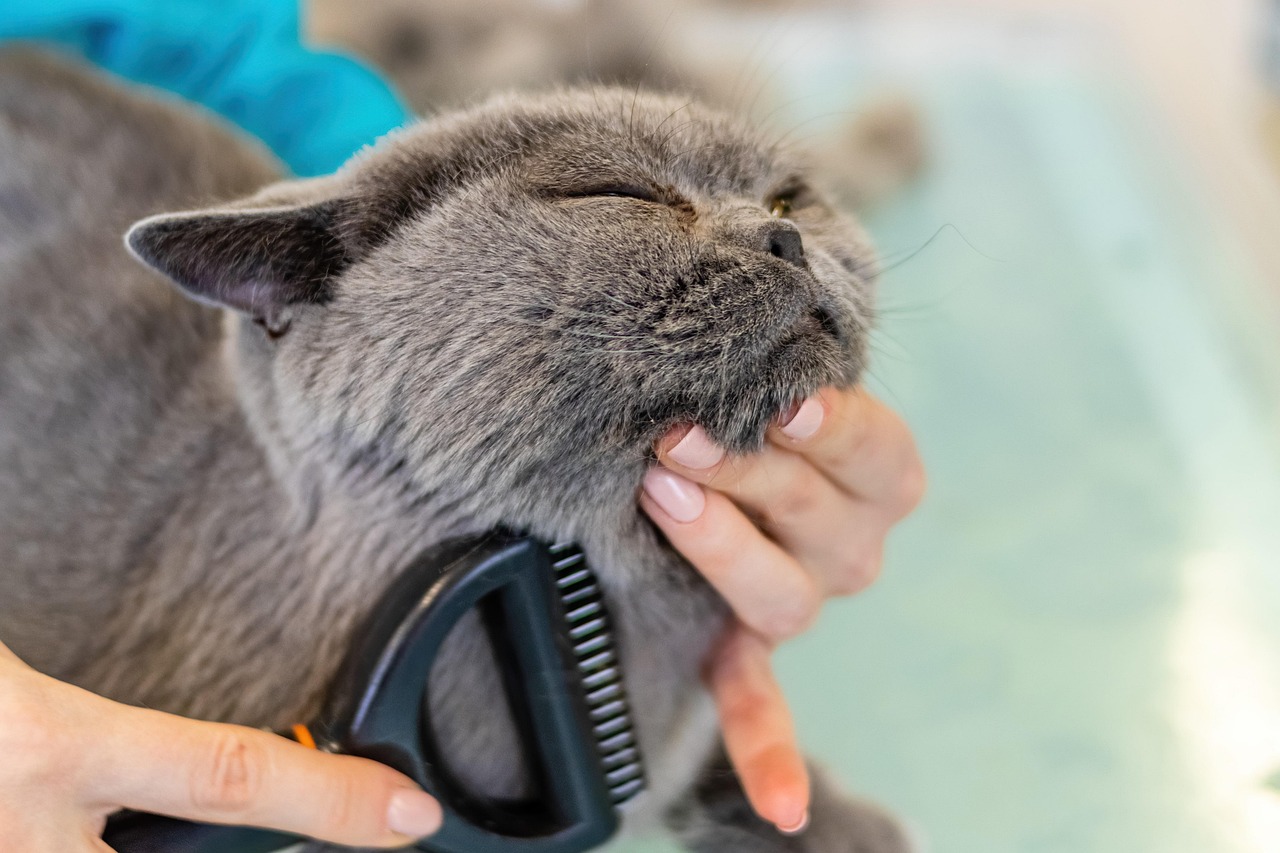

Grooming and Maintenance Expenses for Adopted Cats
When adopting a cat, many new pet owners need to consider various grooming and maintenance expenses. These costs can vary significantly based on individual preferences and the specific needs of each cat. For instance, regular grooming can help maintain your cat’s coat and reduce shedding. On average, cat owners may spend around $30 to $50 per month on grooming supplies like brushes, combs, shampoos, and nail clippers. Regular grooming not only keeps your feline friend looking their best but also contributes to their overall health. Additionally, grooming helps strengthen the bond between you and your pet, fostering trust. Moreover, some cat breeds require more frequent grooming than others, which could influence the annual expenses. Long-haired breeds often need more time and effort in their grooming routines. Also, if you choose to hire a professional groomer, keep in mind that their fees can range from $50 to $100 per session. Overall, budgeting for grooming and maintenance is essential for any cat owner to ensure a happy, healthy cat in the long run. Cat owners should consider their specific needs and their cat’s grooming requirements carefully.
Cats require regular veterinary care, which is another essential component of pet ownership costs. Routine check-ups, vaccinations, and preventative treatments can add up over time. On average, an annual veterinary visit for a cat costs between $100 and $300, depending on where you live and your cat’s health needs. Moreover, unexpected medical expenses may arise, such as illnesses or accidents that require immediate attention. In some cases, these costs can escalate quickly, ranging from hundreds to thousands of dollars. Additionally, pet insurance can be an important financial safety net for cat owners. While insurance policies may vary widely in coverage and cost, monthly premiums typically range from $10 to $100, depending on the plan’s specifics. Many pet owners find that investing in pet insurance provides peace of mind regarding their cat’s health and unexpected expenses. Planning for routine health checks and possible emergencies can help ease the financial burden. In summary, prioritizing veterinary care is critical for ensuring that an adopted cat remains happy and healthy throughout their life. Investing in proper medical care ultimately contributes to a long and fulfilling companionship.
Food and Nutrition Costs
Nutrition is a vital aspect of caring for an adopted cat. Quality cat food can significantly impact the overall health and well-being of your feline friend. On average, pet owners should budget around $30 to $100 each month for cat food, depending on the brand and dietary requirements. High-quality food often contains essential nutrients that promote a healthy coat, strong bones, and a robust immune system. Additionally, you may need to consider any specific dietary needs, such as grain-free or specialized formulas for sensitive stomachs, which can be more expensive. Treats and catnip are also common expenses that contribute to the total feeding budget, typically adding another $5 to $15 monthly. Proper nutrition not only helps maintain overall health but can also prevent costly medical issues in the future. Moreover, if you opt for dry kibble, this choice can be more economical than wet food, but a balanced diet is essential. Regardless of the feeding options, investing in your cat’s nutrition is crucial for their well-being. Ultimately, a feeding plan tailored to your cat’s needs will support their health and happiness throughout their lives.
Cat litter is an ongoing expense that every cat owner must factor in. The type of litter you choose can vary significantly in cost and effectiveness. On average, cat owners might expect to pay between $10 to $30 per month for litter, depending on the brand and type chosen. Clay-based litter tends to be the most common, but alternatives like biodegradable and crystal litters offer additional benefits. Regularly cleaning the litter box is essential for maintaining hygiene and preventing any unwanted odors. Some cat owners may choose to purchase self-cleaning litter boxes, which can initial costs but may save time in the long run. In addition to the cost of litter, it’s crucial to account for the expense of litter box liners and disposal bags. Creating a regular cleaning schedule can also help mitigate the odors and health risks associated with litter boxes. With proper maintenance, a litter box can be a manageable expense for cat owners. Budgeting for litter and maintaining cleanliness will contribute to a happy living environment for both you and your feline companion. Choosing the right litter is equally important to your pet’s comfort and health.
Supplies and Accessories
In addition to food, grooming, and healthcare, cat owners should also plan for various supplies and accessories. Essential items include scratching posts, toys, food and water bowls, collars, and carriers. While the initial setup may range from $50 to $200, these investments significantly enhance your cat’s well-being and comfort. Scratching posts are vital to a cat’s natural behavior, helping to keep claws manageable and offering essential exercise. Toys also play an important role in stimulating your cat’s mind and preventing boredom. Enrichment activities contribute to your cat’s overall mental health and happiness at home. Investing in high-quality accessories is a long-term expense that can pay off in the relationship you foster with your pet. Additionally, carriers are crucial for vet visits and travel, presenting another initial cost. When choosing supplies, consider your cat’s preferences and needs, which might require spending more on specialized items. Adding new accessories can be a fun way to keep your cat engaged. Remember to set aside a budget for accessories to ensure their ongoing satisfaction and comfort in their home environment.
Finally, another often overlooked expense for adopting a cat is potential boarding or pet-sitting fees. Suppose you travel frequently or have a busy schedule. In that case, you should consider how to ensure your cat remains adequately cared for during your absences. Hiring a pet sitter or utilizing boarding services can range from $20 to $50 per day, significantly affecting your overall cat ownership budget. While trusting a neighbor or friend might be an option, professional services provide peace of mind. Despite the added expense, finding a reliable sitter or boarding facility ensures your cat is well cared for in your absence. Understanding these costs is vital in planning for your cat’s well-being. Further, if your cat has special needs or requires medication, ensuring proper care while you’re away may require additional funds. Even with occasional travel, investing in reliable care is crucial for your pet’s comfort and security. In conclusion, while adopting a cat entails various ongoing expenses, budgeting for these factors ensures a happy and well-adjusted cat for years to come. Planning for boarding or pet-sitting services is an essential aspect.
Final Thoughts on Cat Adoption Expenses
Overall, adopting a cat involves many responsibilities, particularly regarding grooming, health care, feeding, and various supplies. Planning for these costs ensures a happy, healthy relationship with your adopted cat. Emphasizing grooming is crucial for both health and bonding, while regular veterinary check-ups safeguard against costly medical issues. Remembering nutritional needs and budgeting for food significantly impacts your cat’s well-being. Additionally, cat litter, pet supplies, and accessories enhance your cat’s living environment, creating a supportive atmosphere for them. You also need to consider travel expenses like boarding or pet-sitting services, which are important for maintaining your cat’s quality of life in your absence. By evaluating these costs realistically, you can prepare your budget accordingly, providing for your cat’s needs without stretching your finances too thin. Educating yourself on various products can also help you make cost-efficient choices, ensuring your cat receives only the best care. Ultimately, while adopting a cat involves multiple ongoing expenses, the joy and companionship they bring into your life is immeasurable, making the entire investment worthwhile.
Through careful planning and budgeting, you can provide your new feline friend with the best possible life. Adopting a cat is not just an emotional decision; it’s a commitment that extends beyond initial feelings of affection. Financially preparing for their needs is essential to ensure a successful transition from shelter to home. Every aspect, from grooming to health care, nutrition, and additional expenses, plays a vital role in your cat’s well-being. By being informed, you can foster a better living environment, ensuring a harmonious relationship and a loving home for your cat. Focusing on the long-term benefits of proper care will lead to a fulfilling companionship. Understanding the complexities of cat ownership emphasizes the importance of each cost associated with your pet. With proper care, your bond will grow, enhancing both your and your cat’s lives in the process. In the end, the love and companionship of a cat make the journey rewarding. Through diligent planning, you can navigate these challenges effectively, giving your adopted cat the wonderful life she deserves.