
Understanding Different Clipper Blades for Dog Grooming
When grooming dogs, understanding clipper blades is essential for optimal results. Clipper blades come in different sizes and types, serving unique purposes based on the dog’s coat and grooming needs. There are two main types of blades: *straight edge* and *skip tooth*. Straight edge blades provide a close cut, ideal for fine coats, ensuring a smooth finish. Skip tooth blades are designed for thicker coats, allowing for quicker cutting without pulling on the fur. It’s crucial to select the right blade size which is measured in numbers, affecting the length of fur left post-grooming. Blades numbered 10 leave the fur about 1/16 inch long, whereas a blade numbered 4 yields approximately 1/2 inch length. A general rule of thumb is to select a blade based on the coat type; for example, a thick, matted coat may require a longer blade size to ensure efficient removal. Additionally, consider whether you want to give the groomed area a finished look or just a trim. Always ensure to have razor-sharp blades to minimize discomfort for the pet during the grooming process, making it a pleasant experience for all.
Another vital element is keeping clipper blades well-maintained. Regular maintenance includes cleaning and oiling the blades after each grooming session. This prevents hair from clogging the blades and ensures optimal performance. Many groomers prefer using a blade wash solution to eliminate built-up hair and debris effectively. This solution typically includes a disinfectant that helps eliminate bacteria while also lubricating the blades. A clean and well-oiled blade will also last longer, saving you money over time. It is advisable to have extra blades on hand, specifically different sizes, allowing for versatile grooming options. As dogs can have various coat textures and lengths throughout the seasons, ensuring that your grooming toolkit is versatile guarantees that you can meet clients’ needs adequately. When working with different dog breeds, additional consideration must be given to their specific grooming requirements according to breed standards. Certain breeds like poodles benefit from a close trim on the body with longer feathering on the legs and face. Understanding these needs can ensure that you achieve the best aesthetic results while also prioritizing the dog’s comfort throughout the process.
Understanding Blade Combinations
Using clipper blades in combination can lead to more creative grooming options. Many professional groomers employ various blade types to achieve specific looks. For example, some groomers utilize a shorter blade on the body and a longer blade on the legs or head, creating a stylish contrast. This styling technique is particularly effective for breeds with distinct features, enabling the groomer to enhance the dog’s natural appearance. Blending the use of blades allows for layering, which adds depth and texture to the dog’s fur. A common technique among groomers involves starting with longer blades to create an overall style, then opting for shorter blades on details for precision. This two-step approach requires familiarity with both clipper types and the dog’s coat characteristics. Groomers should also know that using different blades will affect the overall fluffiness and shape of the coat. It is important to communicate with pet owners regarding the desired look since not everyone may be familiar with grooming terminology or outcomes. This communication ensures that all expectations are met and that the final grooming is truly satisfying for both the pet and their owner.
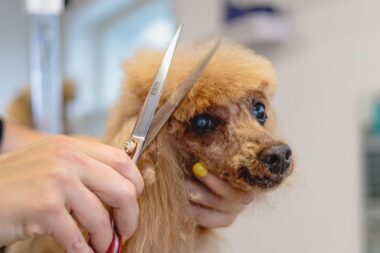
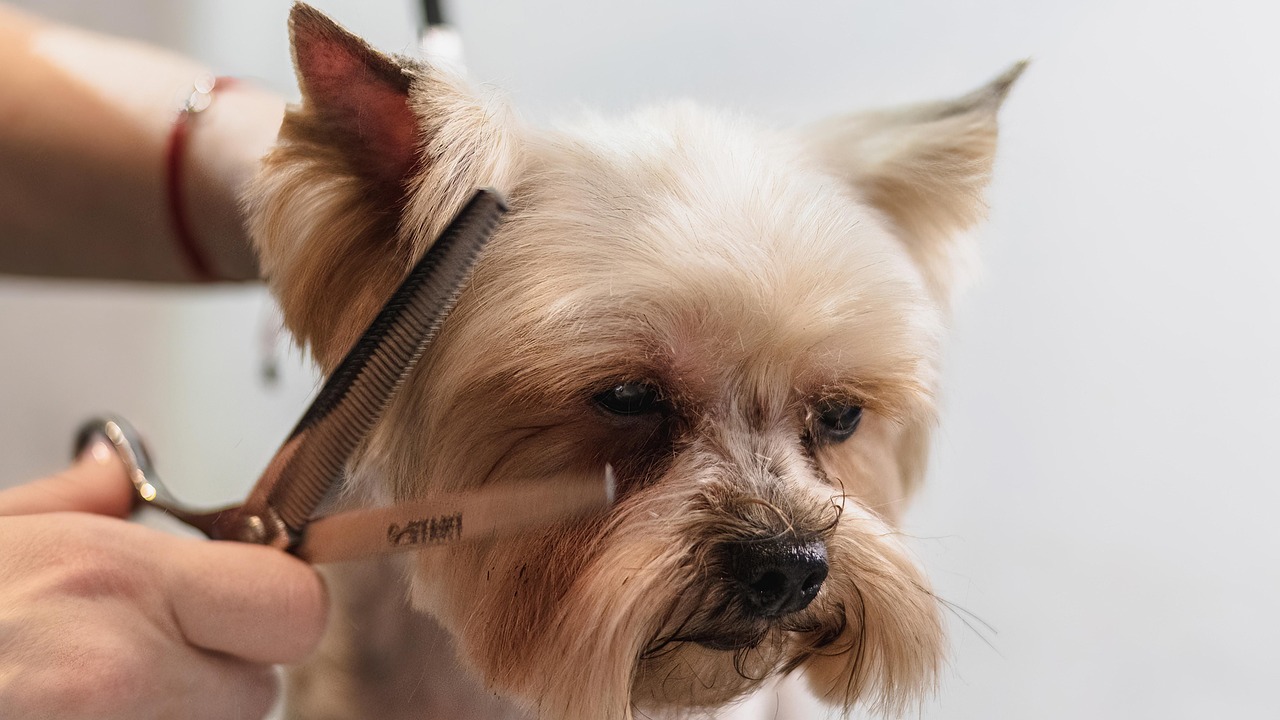
Moreover, using clippers and scissors effectively requires a keen eye and steady hands. While clippers quickly remove bulk hair and set the overall shape, scissors are pivotal for finishing touches. Scissors offer significant control, especially when dealing with delicate areas such as around the face, ears, and paws. Combining clippers and scissors thoughtfully can lead to transformations in a dog’s appearance. Scissors can complement clipper work, helping to shape and refine the final look. When using both tools, be mindful of the dog’s comfort and movement, as unexpected jerks can lead to accidents. Always maintain a slow, steady hand while working close to sensitive areas to avoid causing harm. Practice is essential when developing proficiency with scissors. Groomers often begin with beginner-friendly scissors before transitioning into more advanced types, such as thinning scissors, which blend fur seamlessly. Utilizing thinning scissors can also aid in reducing bulk without sacrificing length, leading to a more polished grooming job. Groomers should regularly assess their tool selection and seek professional training where required to establish confidence and skill in using clippers and scissors together.
Blade Types for Specific Coats
Each dog breed has its own grooming needs, particularly when it comes to choosing clipper blades. For instance, a double-coated breed like a Siberian Husky flourishes with a longer blade to allow the outer coat to remain intact while removing undercoat. Grooming double-coated breeds requires careful consideration; improper blade selection can lead to coat damage or unevenness. Conversely, single-coated breeds, such as the Boxer or Dalmatian, benefit from finer blades that provide a close trim for a sleek finish. Knowledge of each dog breed’s grooming standards is a valuable asset for groomers in performing their duties effectively. Grooming styles may also vary depending on the climate in which the breed lives; long-haired dogs living in hotter areas might need more frequent clips to maintain comfort. Additionally, a variety of grooming styles has emerged over the years. Some dog owners may prefer their poodles to have a specific style, which may include unique designs or patterns that require advanced clipping techniques. Therefore, understanding different blades and sizes becomes paramount in satisfying both aesthetic desires and practical grooming needs in dog ownership.
As the grooming industry continues to evolve, so does the technology in clippers and blades. Many contemporary clippers feature adjustable blade mechanisms, allowing groomers to transition quickly between sizes during a session. This innovation alone has drastically cut down on grooming time, especially during busy days. Additionally, these technological advancements lead to smoother and quieter clippers that reduce the pet’s anxiety during grooming. Groomers must stay informed about the latest trends, whether through training workshops, online resources, or professional networks. Furthermore, many suppliers provide updated tools designed for professional groomers, emphasizing ergonomics and efficiency. Investing in top-quality tools ultimately benefits both the groomer and the dog. While prices can sometimes be high, the long-term benefits of owning reliable, professional-grade equipment significantly outweigh the initial costs. In particular, well-designed clippers can lead to increased job satisfaction, reducing fatigue during long grooming sessions and making the overall experience more enjoyable for all. Regularly reviewing advancements in the industry can help groomers maintain their competitive edge and provide optimal care for every dog they encounter in their career.
Final Thoughts on Clipper Selection
In conclusion, understanding different clipper blades for dog grooming is vital for success in the grooming profession. Appropriately selecting clipper blades according to the dog’s coat and desired appearance will make a significant difference in the grooming process. Each dog has unique grooming needs that may require different approaches, and having a solid knowledge base allows groomers to make informed decisions. Furthermore, performing regular maintenance of clippers and understanding how to mix and match blades can serve to enhance the overall grooming experience. Pet owners and groomers alike should foster open communication regarding grooming preferences, ensuring that the final look captures and reflects not only the breed’s standards but also the owner’s expectations. Staying informed about the latest tools and technology will further elevate the grooming experience, enabling optimum satisfaction for the pet. Embracing these fundamentals will ultimately foster a better relationship between groomers and their canine clients. A well-groomed dog is not only aesthetically pleasing but also contributes to its health and happiness. Thus, continual learning is key in mastering the art and science of dog grooming and ensuring a fulfilling career path.
This is another paragraph with exactly 190 words…