
Top 5 Reasons Dogs Dig in Your Yard
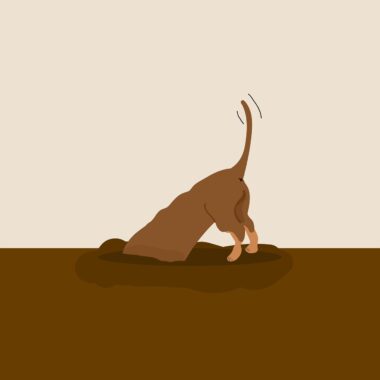
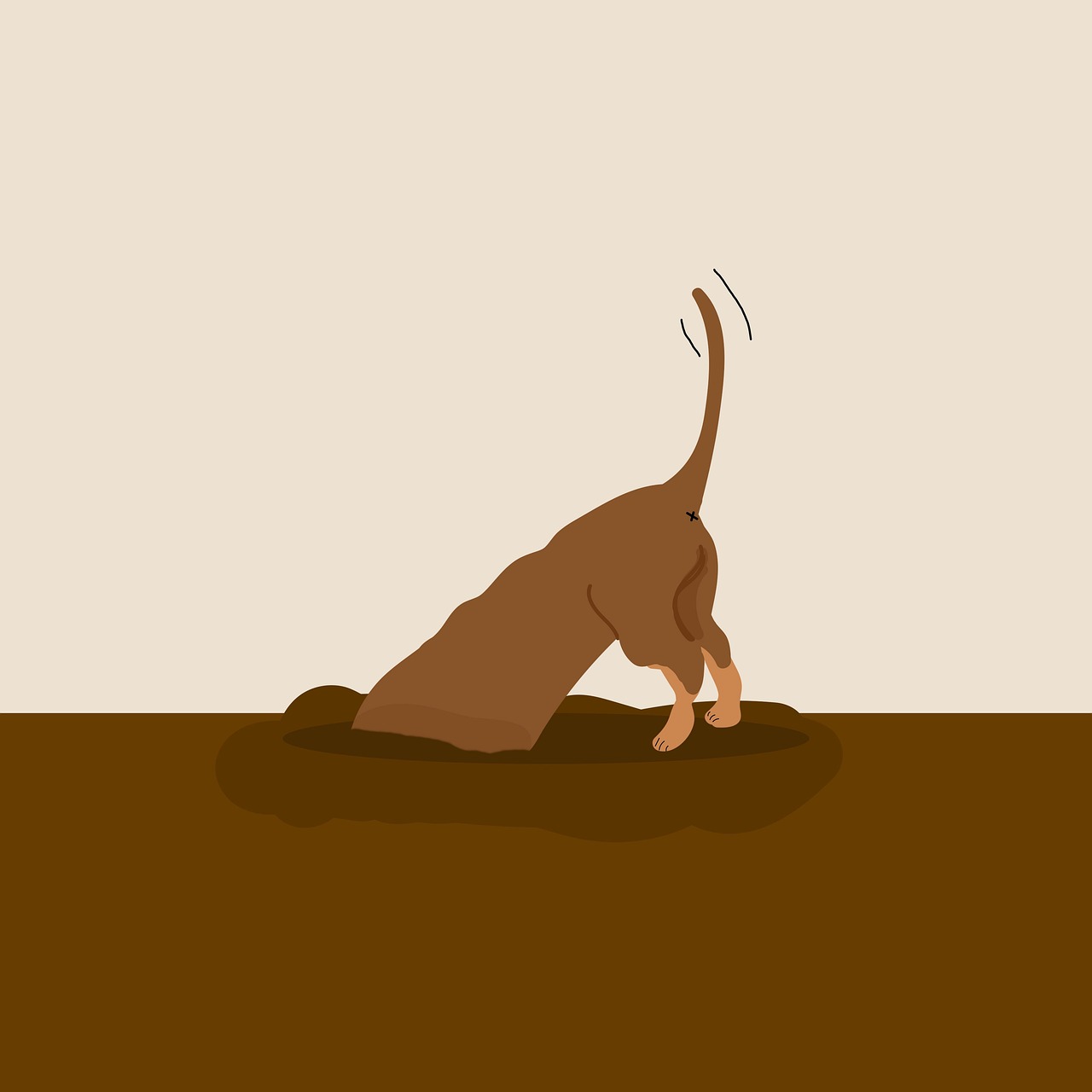
One of the most common behaviors exhibited by dogs is digging. Understanding why your dog engages in this activity can help manage it effectively. There are several reasons dogs dig, starting with their instinctual behavior. Dogs are natural diggers; originally, they dug to create a safe space for sleeping or to find their prey. In addition to harboring instinctual tendencies, dogs dig for social interaction as well. Whether they are playing with another dog or trying to get your attention, digging can serve as a means for social engagement. Dogs can feel bored or restless, and digging serves as a way to expend excess energy. Therefore, providing plenty of physical and mental stimulation through walks, playtime, and toys can reduce this behavior. On the other hand, anxiety can also lead to digging. Some dogs dig when they feel stressed or insecure. You can address this behavior by creating a comfortable environment, ensuring they feel safe at home. Lastly, some breeds have stronger digging instincts than others, which is important to consider when evaluating your dog’s behavior.
Dogs also dig to explore their surroundings. Their deep-rooted curiosity often leads them to investigate what’s beneath the surface of the ground. From small insects to the temperature of the soil, dogs possess a keen sense of smell that drives them to dig. This exploratory behavior can be particularly common in younger dogs who are still learning about their environments. To redirect this digging behavior towards more acceptable areas, consider setting aside a designated digging zone. Here, your dog can freely dig without damaging your yard. Training is another effective method to manage your dog’s digging habits. Teaching simple commands, such as ‘leave it’ or ‘stay,’ can help establish boundaries. Implementing consistent discipline and rewarding your dog for good behavior can be beneficial for changing their habits over time. Additionally, consider using various toys to keep your dog engaged. Providing toys specifically designed for digging or hiding treats in the ground can work wonders. Chew toys or puzzles can also effectively challenge their minds, reducing the need to dig. Such activities help fulfill their need for stimulation without destroying your yard’s aesthetics.
The Impact of Environment on Digging
Another reason dogs dig is due to extreme weather conditions. Some dogs may dig to find a cool spot in the heat, while others may dig to create warmth when it’s cold. This behavior can be particularly pronounced in breeds with thicker coats or those sensitive to temperature changes. The ground’s texture also plays an important role; soft, loose soil is much more appealing to a dog than hard, compacted ground. Owners can manage this behavior by providing ample shade during the summer months and a warm shelter for the winter. Additionally, ensuring your dog is comfortable and has access to a climate-controlled space can mitigate the urge to dig. Moreover, keep in mind that certain seasons can influence your dog’s digging behavior. For instance, in spring and summer, dogs may feel an increased urge to dig as they explore the new scents and wildlife around them. This shifting behavior is perfectly normal but should be observed closely. You may opt to allow your dog some digging time under supervision, particularly in friendlier areas of your yard that won’t be damaged.
Territorial instincts are also a significant reason why many dogs dig. Dogs may dig to mark their territory, particularly around their homes and yards. This behavior can be heightened if they sense another animal nearby, leading them to dig as a way of asserting their dominance. Furthermore, specific breeding traits can also contribute to territorial digging. Breeds such as terriers have been known to engage in this behavior more often. To manage this instinct, it is crucial to allow your dog to feel confident in its territory. Ensuring that they have enough socialization with other animals can help reduce feelings of territorial aggression. Moreover, providing a secure, fenced area where your dog can roam can alleviate digging behavior linked to territorial instincts. Training your dog to respond to calls, especially when distractions arise, will encourage them to focus on you instead of emerging threats. Consistent interaction with your pet can help diminish the frequency of this territorial digging behavior over time. Keeping a watchful eye on your dog during walks can also discourage unnecessary digging or chasing.
Behavioral Solutions for Digging Dogs
When considering behavioral solutions to minimize your dog’s digging, management strategies play a vital role. The first step is to assess your dog’s environment both inside and outside your home. Ensure your dog has enough exercise and stimulation daily, as a lack can lead dogs to explore their yard through digging. Scheduled play sessions can significantly reduce boredom and prevent destructive behavior. Creating a routine allows dogs to anticipate their active time, thus minimizing boredom. Adding interactive toys that require thinking can further engage your dog’s mind. Puzzle toys or treat-dispensing devices can encourage your dog to problem-solve and focus their energy on more productive activities. Alongside providing stimulation, working on obedience training is equally important. Training commands like ‘no’ or ‘stop’ can be very effective when they begin to dig. You can also reward your pet for not digging when they are calmly engaging in other activities. The key to success lies in consistency and patience, as ingraining good habits takes time. Regular reinforcement will help establish new behaviors and gradually discourage digging as a recreational activity.
While digging can be problematic, understanding why your dog digs will help you respond appropriately and prevent damage. When you recognize the underlying causes, you can work towards effective solutions tailored to your dog’s needs and instincts. Some dogs require more physical exercise, while others may need mental stimulation or reassurance. It’s essential to remain patient, as each dog learns at its own pace. Addressing digging behavior often necessitates a combination of techniques. This might include behavioral training, environmental adjustments, or enhanced interactions with their human companions. Remember that digging is a natural behavior for dogs, and so, with the right approach, you can offer solutions that work for both of you. Evaluating your dog’s daily routine, socialization patterns, and emotional needs can help you manage the behavior more humanely. Additionally, keep reflecting on your evolving strategies. Frequent check-ins and adjustments to your routine will allow you to adapt to your dog’s changing needs, especially as they age or their circumstances shift. By adopting a proactive approach, you can help foster a happy, well-adjusted dog that doesn’t need to destroy your yard in the process.
Conclusion
Ultimately, understanding why dogs dig is crucial for owners seeking to improve their pet’s behavior. By exploring various motivations, from instinct and curiosity to anxiety and boredom, you can thoughtfully address digging issues. Providing adequate stimulation and addressing emotional needs is essential in managing this behavior effectively. Positive reinforcement, consistent training, and a clear understanding of your dog’s tendencies will help foster better habits. Importantly, patience is a vital trait during this process. Each dog is unique, and behaviors can take time to change, particularly those deeply rooted in their instincts. Continually engaging with your dog and fostering a strong bond will lead to more desirable behaviors. You’ll find that with an appropriate balance of exercise and interaction, digging can be significantly reduced. Additionally, maintaining a watchful eye on changes in their behavior or environment will allow you to address any issues early. Over time, embracing this approach will cultivate a happier atmosphere for both you and your dog within your yard. Remember to celebrate the small victories along the way, knowing that progress is possible, ultimately leading to a less dug-up yard.