
Natural Remedies to Support Dogs with Canine Parainfluenza Virus
Canine Parainfluenza Virus (CPiV) is a significant respiratory infection affecting dogs, often leading to symptoms like coughing, fever, and lethargy. To support your dog through this illness, it’s essential to utilize natural remedies alongside veterinary care. First, ensure your dog remains hydrated, as this helps clear mucus and soothe the throat. Warm water can encourage hydration and may provide relief. Using a humidifier can also improve air quality, making it easier for your dog to breathe. Additionally, consider adding honey to their diet, as it has natural antibacterial properties and can soothe the throat. Essential oils, like eucalyptus, can be used cautiously to help clear nasal passages, but always consult your vet first. Garlic is another wonderful natural remedy that strengthens the immune system, but moderation is key. Lastly, adding supplements like probiotics may help restore gut health and boost resilience. These natural strategies contribute significantly to the overall well-being of dogs recovering from CPiV.
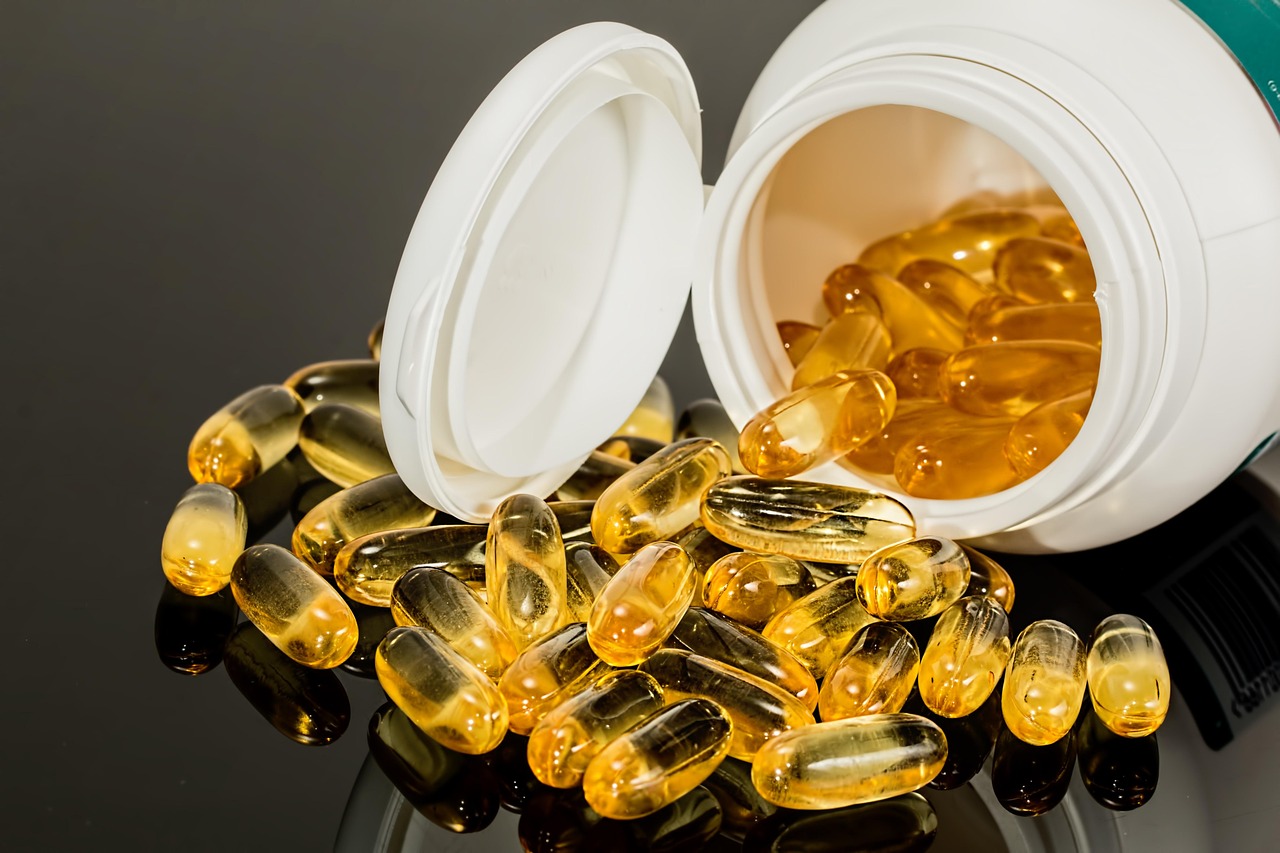
Incorporating proper nutrition into your dog’s regimen is crucial during recovery from CPiV. A nutrient-rich diet can significantly aid in strengthening their immune system. Consider feeding your dog highly digestible foods that are rich in proteins and healthy fats. Bone broth is an excellent option to provide hydration and essential minerals, while also being gentle on the stomach. Adding fresh vegetables like carrots and spinach can provide antioxidants beneficial for recovery. Aim to include omega-3 fatty acids, which can aid inflammation reduction, by incorporating fish oil or flaxseed oil. Natural foods rich in vitamin C, such as sweet potatoes, can also bolster immunity. Some dog parents turn to anti-inflammatory herbs like turmeric or ginger, which can be mixed into meals to help combat symptoms. Always consult with your veterinarian before making significant dietary changes or including new ingredients. By focusing on a balanced and nutritious diet, you enhance your dog’s chances of a swift recovery from Canine Parainfluenza Virus while promoting long-term health.
Supportive Care Techniques
Beyond nutrition and hydration, there are various supportive care techniques to aid dogs afflicted with CPiV. Rest is crucial, as it allows their body to recover and regain strength. Ensure your dog has a quiet, comfortable space to rest, free from stress and disturbances. Gentle grooming can also be soothing and helps maintain your dog’s coat health. If your dog is experiencing severe symptoms like coughing, consider natural remedies such as herbal syrups or expectorants specifically formulated for canine use. Regularly monitoring their temperature and overall condition is essential to determine if the illness is progressing or improving. Providing mental stimulation is also important; engage your dog with low-energy activities such as puzzle toys or sometimes a gentle massage. However, refrain from strenuous exercises until they are fully recovered. Keeping them in a well-ventilated area can enhance comfort, and ensure they are kept away from other dogs to prevent further spread of the virus while they recover completely at home.
When looking for comfort care for an ailing dog, some may explore alternative therapies. For instance, acupuncture can provide pain relief and support the immune system. Many vets are now offering acupuncture treatments to assist with various canine ailments. Similarly, chiropractic care can be beneficial for dogs suffering from post-viral discomfort. These therapies can enhance mobility and improve overall health. Aromatherapy is another holistic approach, where certain essential oils, when used safely, can create a calming atmosphere for your pet. Always use oils that are suitable for dogs and confirm dosage with a specialist. Herbal treatments may also support respiratory health; however, initiating this should involve thorough discussion with your vet to avoid any harmful interactions. CBD oils are gaining popularity among dog owners for their potential to alleviate pain and anxiety levels. Be sure to choose reputable products that are specifically formulated for pets. Incorporating these complementary therapies can significantly enhance the overall treatment and recovery process for dogs battling Canine Parainfluenza Virus.
Monitoring and Seeking Veterinary Advice
Throughout your dog’s recovery from CPiV, closely monitoring their symptoms is vital. Noting any changes throughout their condition helps ensure a swift reaction if the symptoms worsen. Fever, persistent coughing, or difficulty breathing require immediate veterinary attention. While natural remedies support recovery, knowing when to escalate care cannot be emphasized enough. Keep an eye on their appetite and hydration; if they refuse food and water for more than a day, consult your veterinarian. Regular check-ins can help identify complications, especially if secondary infections arise. Frequent communication with your vet allows you to gauge whether the home care protocol needs adjustments or if medications might be warranted. Maintaining a diary of symptoms and remedies utilized may also be beneficial for these consultations. Collaborating closely with your veterinarian ensures that your dog receives the best chance of recovery. Health education can empower you as a pet owner; it enables you to make informed decisions for your dog’s best interest during their healing journey.
Additionally, vaccinations play a critical role in protecting dogs from Canine Parainfluenza Virus. Ensuring that your dog is up to date on their vaccinations not only reduces the chance of contracting CPiV but ensures a robust immune response if they do. The vaccine is a preventive measure and incredibly essential for puppies and unvaccinated older dogs. Discuss with your vet the appropriate vaccination schedule suited for your pet’s lifestyle, as exposure risk varies. Some dog owners may also consider arranging for kennel cough vaccinations if they frequently interact with other dogs. Proper communication between you and your veterinarian helps in tailoring a vaccination schedule that aligns with your dog’s health history and lifestyle needs. Maintaining your dog’s health through vaccinations is one of the most responsible actions you can take as a pet owner. It protects not only your own dog but also contributes to the welfare of the broader canine community at risk of these diseases.
Final Thoughts on Natural Support
In conclusion, natural remedies present a fantastic addition to standard care for dogs suffering from Canine Parainfluenza Virus. These supportive strategies such as proper nutrition, hydration, and alternative therapies can significantly enhance the healing process. It’s important to remember that while natural remedies complement existing veterinary prescriptions, they are not substitutes for professional care. Utilizing these methods mindfully creates a supportive environment for your beloved pet during their recovery journey. Always remain informed regarding the most current protocols by consulting trusted sources or your veterinarian. Staying proactive in your dog’s health and recognizing emergency signs will equip you with the tools needed to ensure a safe and swift recovery. By blending natural care with adequate veterinary guidance, pet owners can create a comprehensive plan that acts in favor of their dog’s health. Remember that love, patience, and attention go a long way in restoring your dog’s health after an illness like CPiV.
Each dog is unique; they may respond differently to various treatments. Observing their reactions to any supplements and adjustments in diet is vital. Document any changes you notice in their behavior or health and maintain open communication with your vet. Being adaptable in your approach gives your canine companion the best chance at a full recovery. Offering a space of comfort and security throughout the healing process will allow them to rest well. It’s not just physical healing that takes place; emotional support is equally crucial. Your presence, encouragement, and understanding can make a substantial difference in how they cope with the illness. Make sure to provide plenty of opportunities for connection throughout their recovery. Monitor their responses to ensure they feel safe and try to reduce any environmental stresses. Implementing all these natural combined with appropriate veterinary guidance strategies can empower you to help your dog return to normal health and vitality soon. With these resources and dedication, your dog will be well on their way to recovery from Canine Parainfluenza Virus.