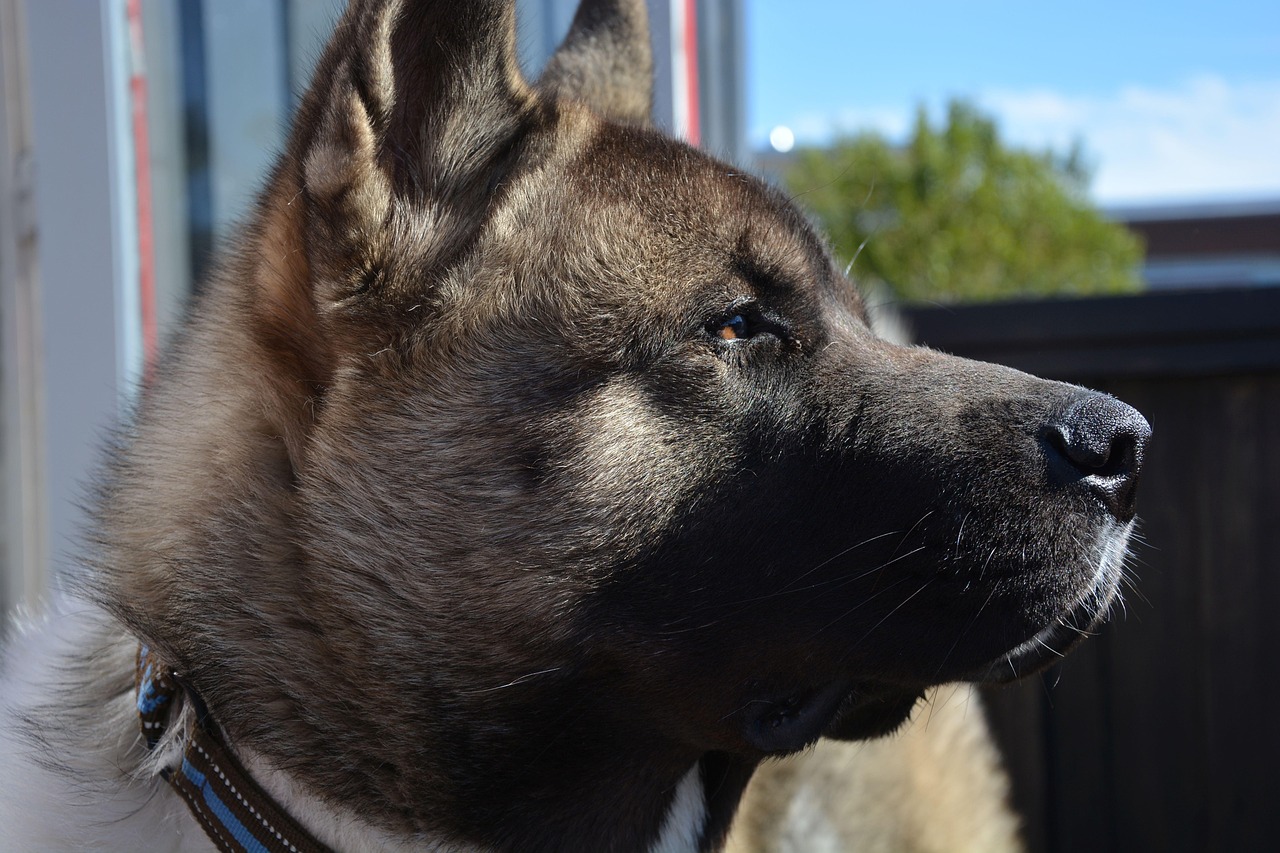

The Connection Between Dog Dreams and Their Daily Experiences
Understanding how dogs experience dream states is essential for dog owners and enthusiasts. Dogs, like humans, enter various sleep stages, including deep sleep where vivid dreams occur. But what exactly are these dreams about? Research indicates dogs dream about their day-to-day activities, such as their favorite games, interactions with their humans, or even chasing squirrels in the park. It’s fascinating to consider how a dog’s dream might mirror their awake experiences. Observing your dog during sleep might reveal twitching paws, growling sounds, or even rapid eye movement, indicating that they are engaging in a dream. Owners often report endearing moments when a dog experiences dream activity that reflects moments from their waking life or things they truly enjoy, showcasing the emotional connection dogs have with their experiences. So, observing your dog during these moments can give insight into their feelings, preferences, and daily interactions. Understanding this connection can enhance a pet owner’s bond through shared experiences, as dogs may dream about their owners or activities they engaged in throughout the day, suggesting a much deeper relationship than merely providing food and shelter.
Dogs not only display various sleep phases, but their duration and type of sleep can vary widely based on their environmental factors, age, and overall health. Puppy dogs require more sleep compared to adult dogs, which indicates their developing brains need extra rest. On average, dogs spend about 12 to 14 hours sleeping but can sleep even more on lazy days. Stressful environments or excessive human absence may also cause changes in a dog’s sleep patterns, affecting the nature of their dreams. Owners must foster a calm sleeping environment, providing comfortable beds in quiet places, which aids effective snoozing and richer dream experiences. It is also essential to observe signs that might indicate distress during sleep, as such issues can become problematic when left unaddressed. If a dog frequently seems restless at night or displays anxiety, it can hinder their ability to dream peacefully. Ensuring daily walks, interactive play, and mental stimulation can reduce stress levels, encouraging peaceful sleep. Moreover, familiarity and routine can help dogs feel better equipped to enter dream states with confidence, making it easier to dream about positive daily experiences.
Dreams Reflecting Daily Activities
The nature of dogs’ dreams is believed to highly reflect their daily experiences. A playful day spent in the park with a frisbee often translates into running or playing chase during dream sequences. Similarly, dogs might dream about meeting neighborhood dogs or new friends made during their walks. This phenomenon is essential as it showcases the concept that their dream content mirrors their emotional state related to various activities. Imagine your pooch after a long day full of frolics, who may then dream of such blissful moments, signifying pure joy or even excitement. Through dreams, dogs can process their feelings related to the events they experience during wakefulness. Observing how dogs react during their dreams can provide useful insights into their happiness levels. By analyzing these dream patterns, owners can learn more about their pups’ likes and dislikes. For instance, if a dog’s tail wags or they seem relaxed during sleep, it might indicate they are content or satisfied with their daytime activities, bolstering the bond between pet and owner.
Additionally, understanding dream content can assist owners in ensuring their dogs receive optimal daily stimulation and care. If a dog consistently displays dreams focusing on specific activities, it may hint to the owner that these activities are of significance to their pet. Consequently, if their dog enjoys playing fetch, owners could incorporate more of this into the daily grind. In contrast, if dream analysis suggests anxiety or negative experiences associated with a specific routine, it could prove vital to modify that routine to ensure a better quality of life for the dog. Additionally, training sessions can help alleviate fears or anxieties, thereby enriching dream content with positive experiences. Engaging a dog in learning new tricks or skills may improve their mental stimulation. This includes providing experiences that enrich their daily lives and promote emotional well-being, creating a harmonious environment fostering blissful dream experiences. Ultimately, dogs thrive on understanding and adapting the routines they are part of, especially correlated to what makes them happy, which can be evidenced through their nocturnal adventures.
The Science of Dog Dreams
Research shows that dogs experience REM (Rapid Eye Movement) sleep, a stage closely associated with dreaming in humans. During REM, brain activity spikes, allowing for a dreamlike state. While the scientific community is still researching the exact mechanics of dog dreaming, parallels to human sleep patterns are evident. In fact, studies suggest that dogs experience dreams much like humans, where neural activity aligns with previous activities experienced during waking hours. Due to this similarity, those furry ones are likely to revisit and process daily events, emotions, and relationships in their dreams, creating a deeper understanding of their lives. Furthermore, the importance of REM sleep cannot be overstated, as it plays a significant role in mood regulation and memory retention in dogs. This recuperative phase ensures emotional balance and strength in a dog’s mental state. Keeping a watchful eye on sleep behaviors aids owners in learning about their dog’s mental well-being. Ultimately, understanding the mechanisms behind the dog dreaming phenomenon bolsters the owner’s connection while contributing to the dog’s overall happiness, enhancing the quality of life for both parties.
Just like humans, dogs have dream patterns that correspond to their experiences, offers, and interactions. A dog that takes part in regular exercise may dream about running, exploring, or bonding with other animals. Similarly, circumstances such as visit to a dog trainer or attending a dog park can manifest as dream sequences filled with playful encounters. Adequate socialization, mental stimulation, and affection contribute positively to dream content. Dogs that experience enriched moments during the day may rightly exhibit enjoyable dream patterns during the night, showcasing just how full and engaging their day has been. Activities like fetching a ball, playing with kids, or participating in a family hike can all influence the dream landscape. These experiences reflect themselves in the dog’s sleep, providing chances for the dog to re-evaluate and embrace the joys they’ve had. Consequently, by identifying what makes dogs happy, owners can effectively curate their daily routines, ensuring their pets feel loved and appreciated. This not only leads to a more fabulous dream life for the dog but also strengthens the bond they share with their human counterparts.
Conclusion: Enhancing Well-Being Through Dreams
Overall, the interaction between a dog’s daily experiences and their dream life is a symbiotic relationship. Dogs dream about the actions they perform, the relationships they build, and how connected they feel to their environment. Owners play an essential role in curating these experiences, accommodating their dog’s physical and emotional needs, ensuring both are happy and fulfilled. By integrating playtime, social activities, and relaxation routines, pet parents can enhance their dog’s daily life, which will reflect during sleep. Ultimately, practicing attentive care and understanding daily activities allow for enriching dream behaviors. Observing dreams can also reveal how emotionally secure or content a dog feels in a given environment. Positive dreams lead to a more joyful, relaxed interaction with owners while enhancing emotional well-being. This cycle of understanding deepens the bond, as happy dogs are more likely to engage in healthy relationships with their humans. As dog owners venture into understanding canine psychology, considering the intrinsic link between daily experiences and dreams woven throughout, they can create a shared journey of wellness and connection.
As more owners become aware of the psychological aspects of their dog’s sleep patterns, it can produce significant improvements in general health and behavior. By soaking in the nuances tied to sleep and dreaming, greater awareness emerges, empowering owners to become more attentive companions. Achieving a harmonious relationship founded on mutual understanding translates to happier dogs and fulfilled owners. Love, care, and intuition contribute to fostering an environment where dreams flourish, thereby promoting emotional and mental well-being amongst dogs. The dream world provides dogs with the opportunity to process feelings and experiences, so recognizing and honoring this fascinating phenomenon can further support their health on multiple levels. Building joyful, enriching environments can promote happy dreams while reducing anxiety, creating a cycle of positivity and well-being. By focusing on enhancing daily experiences, building a unique bond, and fostering mutual trust, dog owners can better understand and address their dog’s sleep needs and psychological states. Attending to all aspects of a dog’s life helps ensure overall happiness and well-being, thereby enriching the world they share with their humans.