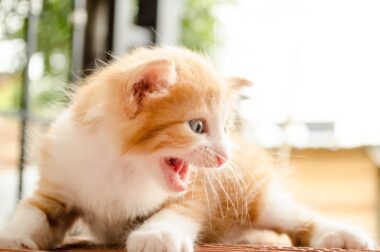

How to Socialize an Aggressive Senior Cat
Socializing an aggressive senior cat can be a rewarding but challenging process. Understanding the underlying reasons for the aggression is crucial to formulating an effective approach. Senior cats may display aggression due to fear, discomfort from aging, or social isolation. First, observe your cat’s behavior closely to identify specific triggers. Common triggers include sudden movements, loud noises, or even the presence of other pets. Developing an understanding of these triggers can empower you to create a safer environment for your cat. Building a calm and familiar atmosphere will help foster a sense of security. Provide your cat with plenty of cozy hiding spots where they can retreat when feeling stressed. This emotional safety can reduce aggressive behaviors over time. Additionally, establishing a routine can help your cat feel more comfortable. Set regular feeding times, play sessions, and quiet periods. Consistency will allow your cat to predict what to expect and when, creating a trusting bond over time. Most importantly, remember to be patient; it may take a while for your senior cat to adjust to socialization efforts effectively. Each cat has its own unique temperament; this must be respected throughout the process.
Next, you should gradually introduce your senior cat to new experiences. Start by allowing your cat to explore one room at a time. This limited exposure can help them feel less overwhelmed. Consider using treats as a reward for positive behaviors during these introductions. When your cat displays curiosity or calmness, offering a tasty crunch can reinforce that behavior. Gradually increase the time spent in new spaces or with new people. Observation is crucial during this phase. Any aggressive behavior should be met with immediate redirection; string toys or interactive play can help channel their energy positively. Alternatively, leaving the new stimuli present without forcing interaction allows them to adapt at their own pace. If your cat seems particularly uncomfortable, respect their boundaries and retreat from the situation. Remember, socializing an aggressive senior cat is a marathon, not a sprint. Create an engaging play environment using toys that encourage movement, which can help release pent-up energy. Additionally, providing scratching posts can promote healthy behavior while improving their comfort level with their surroundings. This combination of patience and gradual exploration can open doors to a more social and relaxed disposition.
Utilizing Positive Reinforcement
Utilizing positive reinforcement plays a crucial role in this socialization effort. Positive reinforcement involves rewarding desirable behaviors rather than punishing undesirable ones. When your cat behaves calmly in a stressful situation, praise them instantly and offer a treat. Over time, your senior cat will begin to associate new experiences or people with positive outcomes. The key is to remain calm and assertive yourself, as cats are sensitive to human emotions. Your energy greatly influences their feelings and reactions. Create a space where they can feel secure and know they can escape if they feel threatened. Throughout this process, remain observant of your feline’s body language. Signs of stress include flattened ears, a twitching tail, or dilated pupils. When you notice these signals, it’s advisable to take a step back and ease the pressure. Allow your cat time to recuperate before reintroducing the stimuli again later. With consistent positive reinforcement, your cat may slowly begin to explore their environment, eventually engaging with people or other pets without aggression. This gradual exposure fosters environmental adaptation, leading to enhanced comfort and appropriate social skills.
An essential focus in socializing an aggressive senior cat is ensuring their comfort and safety. Provide cozy hiding places around your home where your cat can retreat if they feel overwhelmed. These add a sense of security and allow the cat to feel in control of their surroundings. Start incorporating gentle handling techniques that allow them to be used to touch without aggression. Handling them during calm moments, like while they are resting, helps create positive associations. Use calming aids such as pheromone diffusers or sprays designed to reduce anxiety. These products mimic the natural pheromones that cats release when they feel safe. Regularly engage your cat in interactive play with feather wands or laser pointers, encouraging mental and physical exercise, vital for a healthy aging cat. Keep in mind the duration and intensity of play should suit their energy levels to avoid overstimulation or injury. Monitor their reactions throughout each phase and adjust accordingly. Keeping interactions enjoyable will help reinforce positive behavior. Above all, remember that every cat is unique—progress may vary, so be patient and celebrate small victories during this socialization journey.
Seeking Professional Help
In certain situations, seeking professional help should be a consideration. A veterinarian or animal behaviorist can provide targeted strategies for addressing aggression in older cats. They can conduct behavioral assessments and recommend the best course of action tailored specifically for your situation. If your cat has underlying medical issues, they may be the cause of the aggressive behavior. A thorough veterinary examination will rule out discomfort or pain that could be influencing their temperament. Medications may be helpful in conjunction with behavioral modification techniques. A professional can guide you through effective exercises that progressively build trust between your cat and their environment. Group classes tailored for fearful or aggressive cats can also be advantageous. These sessions allow your cat to practice socialization in a controlled setting. It’s essential to inquire about trainers with experience in feline behavior, as improper techniques can exacerbate aggression. Involving professionals not only boosts your confidence but also ensures that your cat receives appropriate guidance. This well-rounded support often facilitates a more manageable socialization process for you and your cat. Utilize this valuable resource, especially if you encounter severe challenges.
Regularly evaluate your progress throughout the socialization process. Keeping a journal can be immensely helpful in tracking behavior changes over time. Documenting successes, challenges, and potential triggers gives insights that inform your approach moving forward. Incorporate gradual changes every few weeks, noting the effect on your cat. This reflection encourages you to celebrate simple victories that bolster your morale and commitment to the endeavor. Remember to maintain those peaceful tranquil moments in your cat’s day and weave in new activities gently. Gradually enhance their repertoire of experiences as they become more comfortable navigating their surroundings. Set realistic goals with your cat’s socialization journey, focusing on individual growth rather than comparisons to others. Understand that setbacks can occur, particularly in vulnerable or fearful senior cats. They may regress during stressful periods or life changes, such as moving homes or introducing new pets. Acknowledge this as part of the process, and adapt your methods accordingly. Remain patient and gentle, celebrating your companion’s growth, no matter how small. Your commitment and love are vital in nurturing their journey toward becoming more social and content.
Ultimately, your efforts to socialize an aggressive senior cat will cultivate a bond that improves their quality of life. A cat that feels secure and understood is more likely to thrive in your home. Continued positive interactions not only bolster your cat’s confidence but can ease stress levels. This journey enhances both your lives, allowing for a happier, healthier partnership. As your cat learns new skills and techniques for managing stress, your relationship will deepen. A socially agile senior cat enjoys enhanced interactions with family members and can re-engage with the environment positively. This enduring bond often revitalizes cherished moments and shared experiences. Remember to incorporate time for relaxation and affection; these aspects are equally vital. Treat your cat with kindness and patience, creating an atmosphere filled with trust and security. However, never underestimate the time and effort involved in transforming aggressive behavior. Each step is fundamental, contributing to the ultimate goal of socialization. With love, respect, and commitment, you can help your senior cat transition into their golden years more comfortably and enjoyably. Celebrate the unique journey you share and embrace the companionship that flourishes through this mutual learning experience.
In conclusion, socializing an aggressive senior cat requires patience, understanding, and a gradual approach to change. A combination of identifying triggers, implementing positive reinforcement, establishing a safe environment, and utilizing professional help when necessary will guide your success. Through time and effort, it’s possible to see remarkable improvements in your cat’s behavior. Keep the lines of communication open with your veterinarian and monitor your cat’s progress regularly. Documenting changes will allow reflection that can steer your strategies effectively. Each cat is unique, so tailor your methods to fit their specific needs, ensuring a comfortable and positive experience during their socialization. Involve your family in the process, teaching them how to interact with your cat gently and respectfully. The journey may feel daunting, but the bonds formed during this time can lead to lasting benefits for bonding and trust. Continue to exercise patience, and don’t hesitate to seek help when needed; sometimes, expertise can fast-track progress. Embrace the small victories and celebrate changes, however minimal they may seem. Your dedication can change not only your cat’s behavior but also create a fulfilling companionship, enriching both your lives in intertwined joys.