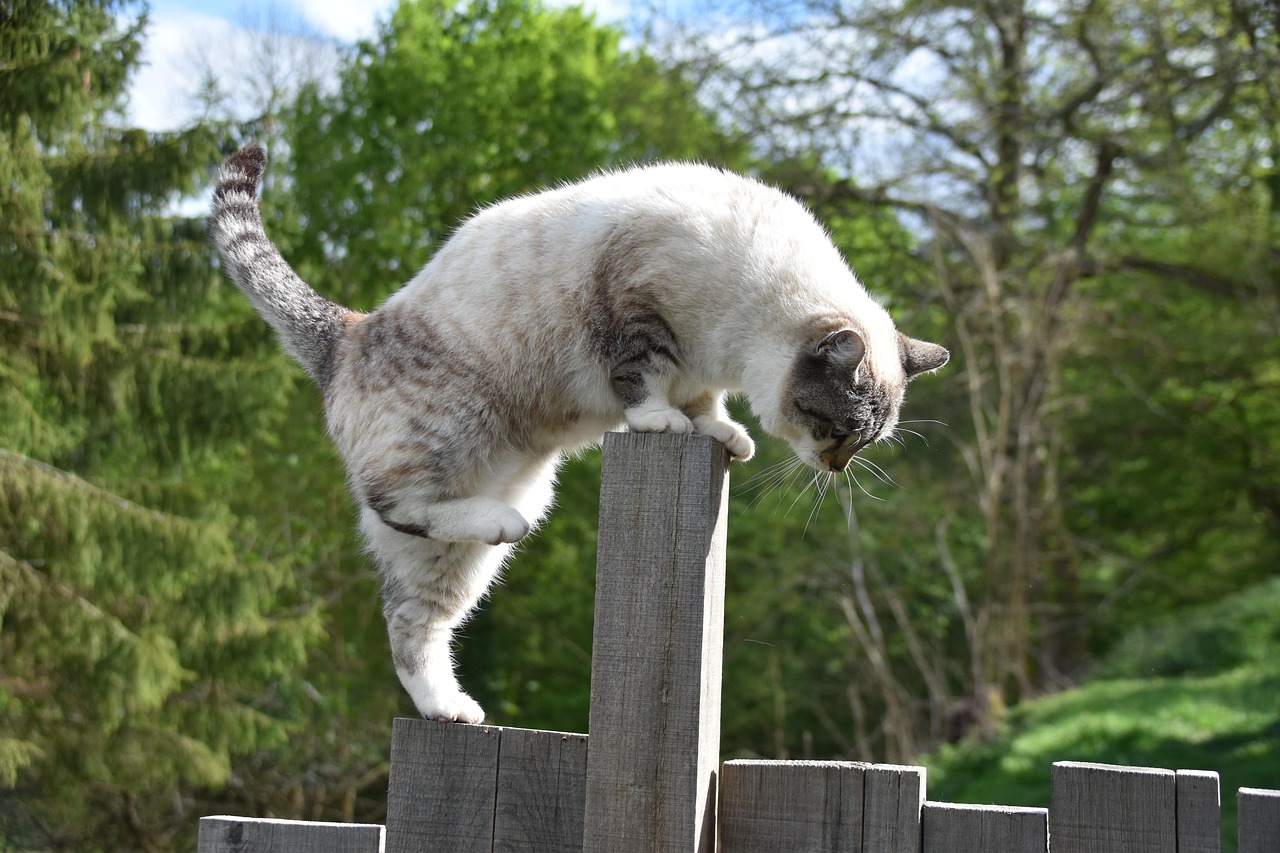

Training Your Cat for Agility: Basics and Techniques
Building a cat agility course can be a fun and rewarding experience for both you and your feline friend. A well-constructed course not only promotes physical activity but also strengthens your bond with your cat. Start by planning out the course layout, including various obstacles and challenges that will engage your cat’s natural instincts. Consider incorporating elements such as tunnels, jumps, and weave poles to create an engaging environment. Ensure that the materials you choose are safe and durable, so they can withstand wear and tear as your cat learns and plays. Additionally, pay attention to the sizing of obstacles, as this ensures the safety and success of your training sessions. Remember, the primary goal of an agility course is to enhance your cat’s confidence and agility while encouraging playfulness. Keep training sessions short and enjoyable to maintain your cat’s interest. With patience and creativity, you can create a course that offers endless enjoyment, providing opportunities for both physical exercise and mental stimulation for your beloved companion.
Once you have designed your cat agility course, the next step is to introduce your cat to the obstacles. This stage should be approached with care to ensure that your cat feels comfortable. Start with a single obstacle like a tunnel, allowing your cat to explore it on their own. Use treats to coax them, creating a positive association with the obstacle. Gradually, increase the complexity by adding other challenges. It’s vital to maintain a supportive environment, using positive reinforcement to encourage your cat throughout the process. If your cat seems frustrated or scared, take a step back and encourage them with patience. Short training sessions are crucial, lasting around 10-15 minutes, reducing stress and keeping your cat engaged. Monitor your cat’s behavior closely; if they are reluctant to try new things, it’s essential to remain calm and reassuring. Over time, your cat will become more confident and enthusiastic about the course. Regular practice not only helps develop their skills but also improves your bond as a team. Celebrate small achievements to keep the motivation alive and enjoy the journey together.
Introducing agility training can be a delightful adventure but requires understanding your cat’s temperament and personality. Each cat is unique and will respond differently to training methods, which is why it’s crucial to tailor your approach. Some cats might take to agility training enthusiastically, while others may need encouragement in different ways. Observe your cat closely to determine which methods work best for them. You might need to adjust your strategies to suit their individual preferences. Utilize treats, praises, and toys as motivation during training sessions. Incorporating play into practice is essential to keep the atmosphere light-hearted and enjoyable. Regular practice will yield better results as your cat becomes more comfortable with the course and the concept of agility training. Choose a consistent time each week for training to create a routine, and remember to respect your cat’s boundaries. Patience is key when teaching your cat new skills, so don’t rush the progress. The journey can be as rewarding as the destination itself, filled with laughter, love, and unforgettable moments shared with your feline friend.
Choosing the Right Equipment for Your Course
The selection of agility equipment is fundamental in building your course effectively. Consider various types of equipment, including jumps, tunnels, and weave poles, which can stimulate your cat’s agility skills. Opt for items that are lightweight and portable, making it easier to set up and adjust the course as needed. Many options are available commercially, or you could also create DIY obstacles using items found around your home. Ensure that all equipment is safe, sturdy, and designed for cats to avoid injuries. Avoid sharp edges or unstable materials that could endanger your pet during training sessions. Additionally, consider the overall height and width of the obstacles to match your cat’s abilities. Adjust them based on your cat’s size and training level. Always supervise your cat on the course to maintain a secure training environment. Assess the effectiveness of your equipment frequently and make changes as necessary to keep your training sessions fresh and engaging. Learning how to adapt your equipment will lead to a better training experience, encouraging your cat to explore and enjoy agility activities.
Positive reinforcement is critical when training your cat for agility. As you guide your cat through the various course elements, rewarding your kitty with treats, verbal praises, or chin scratches can create a strong motivational boost. Whenever your cat successfully completes an obstacle, celebrate their victory to reinforce positive behavior. This approach helps build a sense of achievement and encourages them to continue. Be consistent in your rewards and ensure they are instantly available, so your cat understands the association between actions and consequences. Over time, your cat will begin to respond better to your cues and instructions, making training sessions smoother. Avoid using negative reinforcement; it can instill fear and anxiety, making your cat less likely to participate. Instead, keep the training sessions enjoyable and light-hearted, welcoming them with a playful attitude. Incorporate various games and challenges to maintain their interest in the training process. Ultimately, a supportive approach will inspire your cat to explore their capabilities, leading to a happier and more confident feline who enjoys the agility experience.
Once your cat becomes familiar with the agility course, the next step is to introduce timing and competition elements. Start by timing your cat against the clock for a simple run-through of the course, gradually introducing a sense of urgency and excitement. This step can create a fun rivalry between you and your cat in training, turning sessions into a playful challenge. Celebrate every successful run by giving treats or praise to develop positive associations with the timed runs. Additionally, as your cat gains confidence, consider inviting fellow cat owners for friendly competitions. Not only does this introduce an element of socializing, but it also exposes your cat to new environments and different feline companions. The excitement of being watched and competing against their peers can enhance your cat’s performance. Always ensure that the atmosphere stays positive, with lots of encouragement and fun moments. Keeping these trials relaxed will allow both you and your cat to enjoy the process. The journey can become an extraordinary bonding experience, creating lasting memories on this exciting adventure of agility training.
Maintaining Joy and Engagement
Throughout the agility training journey, remember that the goal is not only to train but also to enjoy the process. Keep the sessions light, fun, and engaging to avoid overwhelming your cat. If your cat seems disinterested or tired, it may be time to switch things up or take a break. Variety is key, so consider alternating between obstacles or introducing new challenges to keep your cat stimulated. Regularly evaluating your training methods and adjusting to your cat’s preferences will enhance their overall experience. Building agility courses can become a creative expression, so feel free to change things as you see fit. Emphasizing enjoyment will create positive memories surrounding agility training for both you and your cat. Celebrate every small victory, whether it’s mastering a jump or simply completing the course. Ultimately, fostering a joyful training atmosphere will lead to a happier and healthier cat, eager to learn and participate. Cherish the times spent together during these training sessions, ultimately crafting a beautiful bond strengthened through teamwork and shared experiences.
To sum up, agility training is an incredible opportunity to bond with your feline friend while promoting their physical and mental health. By designing a thoughtful course, selecting appropriate equipment, and employing positive reinforcement techniques, you can build an effective training regimen. Start with basic obstacles, ensuring your cat feels safe and confident while navigating them. Consistency and patience will be your best companions throughout this journey, leading to the best outcomes. Whether you decide to engage in friendly competitions or enjoy quiet training sessions at home, each step contributes to a nurturing environment. Choose playful methods to appeal to your cat’s unique personality, cultivating a passion for agility and movement. Most importantly, maintain a sense of joy throughout the process, as this will leave lasting impressions on your cat’s behavior and willingness to learn. Agility training may extend beyond just routine exercises; it can be a way to enrich your cat’s life. Enjoy every facet of the experience, understanding that both of you will grow together. Training turns the routine into a memorable adventure, deepening your connection and creating a healthier, happier feline companion.