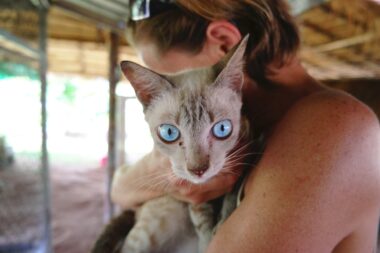

Ear Mites and Skin Disease Prevention in Shelter Cats
When managing a shelter, understanding the importance of disease prevention is paramount. Ear mites, particularly Otodectes cynotis, are common parasites affecting cats. They reside in the ear canal, causing irritation, inflammation, and potential infections. Effective prevention starts with awareness and consistent checks. Regularly examine cats for any signs of mites, including scratching and head shaking. Early detection is key to preventing outbreaks in shelter environments. Maintaining a clean and sanitized environment is crucial. Use disinfectants approved for animal areas to regularly clean bedding, food, and water dishes. Awareness among staff about effective treatment options is also essential; topical treatments and proper ear cleaning can eliminate ear mites swiftly. Furthermore, fostering a healthy diet contributes to the overall wellness of shelter cats, strengthening their immune system. Consider consulting with a veterinarian for advice on preventive care practices specific to shelter settings. Finally, ensure new arrivals are thoroughly checked upon intake, focusing on ear health to maintain overall shelter cat well-being. A proactive approach in monitoring and caring for shelter cats is essential for reducing ear mites and associated skin diseases.
Aside from ear mites, skin diseases are prevalent among shelter cats. Dermatophytosis, commonly known as ringworm, is especially challenging due to its contagious nature. To mitigate this, ensure proper hygiene measures are in place. Regular grooming helps prevent skin diseases by keeping cats’ skin and fur clean and healthy. During each grooming session, check for any abnormal signs such as redness, lesions, or excessive scratching. Promptly isolating cats showing symptoms is crucial, helping to control the spread of pathogens. Regular veterinary check-ups should be part of your veterinary routine; testing for fungal infections and parasites can prevent the escalation of conditions. Utilize suitable shampoos and topical treatments for dermatological issues, and always follow vet recommendations. Educating staff on the significance of skin health is essential. Establish a clear plan for addressing skin conditions as they arise. Good nutrition and hydration are also fundamental; balanced diets foster a strong immune system, aiding in the prevention of skin diseases. Lastly, instilling a culture of thorough monitoring ensures that potential problems are caught early, improving the outcomes for shelter cats in need of care.
Regular Health Checks
Implementing regular health checks for shelter cats is crucial in preventing ear mites and skin diseases. Establish a routine schedule where all cats, regardless of apparent health, are examined. This practice should include evaluations of the skin and ears. During these examinations, pay close attention to any signs of distress or unusual behavior, such as frequent scratching or changes in grooming habits. Create a checklist for staff members to follow during each check; this ensures nothing is overlooked. Encouraging a collaborative environment among the entire shelter staff promotes consistent care. If an issue is identified, prompt response is vital; treatment should be initiated immediately. Keeping records of these health checks enables tracking of any recurring problems. High-risk cats, such as those coming from overcrowded situations, should receive more frequent monitoring. In addition, training volunteers and new staff on recognizing symptoms of diseases equips everyone to contribute effectively. Regularly updating health protocols based on new findings or veterinarian advice is essential. Investing in preventive health practices yields benefits, ensuring headway against diseases commonly affecting shelter cats.
In addition to health checks, promoting an enriching environment can help prevent stress-related issues, including skin diseases. Stress is a known factor exacerbating existing health problems, including skin and ear conditions. Providing appropriate spaces for cats to explore and play minimizes stress levels. This leads to happier, healthier felines in your care. Incorporate vertical climbing spaces to stimulate natural feline behaviors, allowing cats to express their innate instincts. Ensuring quiet areas for shy or sick cats to retreat to is equally critical. Regular interactive play fosters physical exercise and mental engagement, which is essential for overall well-being. Additionally, consider scent enrichment by using cat-safe herbs or scents, enhancing their surroundings. Utilizing pheromone diffusers can provide calming support, helping to alleviate stress-induced symptoms. Provide comfortable bedding to facilitate restful sleep, vital for recovery and health maintenance. When cats feel secure in their environment, it reduces incidences of scratching or self-inflicted injuries due to stress. Staff training on behavioral cues can identify stressed cats early on, enabling timely interventions. Creating a balance of stimulation and comfort ensures better health outcomes for shelter cats.
Essential Training for Shelter Staff
Training shelter staff on ear mite and skin disease prevention is essential. Educating team members about common ailments affects the care quality provided to shelter cats. Through workshops and informational sessions, ensure everyone understands how to identify symptoms early. Familiarize staff with various treatment protocols and prevention strategies specifically tailored for high-density environments. Encourage open communication regarding health issues observed among cats, fostering a culture of vigilance and teamwork. Regular training updates should be integrated during staff meetings, ensuring that knowledge is current and thorough. Include hands-on demonstrations of effective grooming methods, ear cleaning techniques, and safe handling practices. Emphasizing the importance of hygiene and cleanliness reinforces the protocols to maintain a safe environment. Promote awareness on the legal and ethical responsibilities associated with animal care, instilling pride in staff for their role in helping shelter cats. This approach not only reinforces policies but helps develop a compassionate atmosphere catering to the animals’ well-being. When staff feels competent and empowered, better care translates into improved health for shelter cats facing challenges.
Aside from training, collaboration with local veterinarians enhances the overall health of shelter cats. Establishing strong partnerships allows access to expert knowledge, timely advice, and veterinary services, crucial for effective disease prevention. Include regular veterinary visits to your shelter schedule, ensuring ongoing support in managing health issues as they arise. Vets can guide appropriate vaccination protocols, essential in preventing contagious diseases among cats. Moreover, collaborating with a veterinary clinic can provide staff with continuing education opportunities. Joint workshops can keep everyone updated on diagnostics and treatment options. Veterinary partners can also assist with preventive strategies tailored to your shelter’s specific context. Sharing case studies from different shelters can yield valuable insights into source management and treatment effectiveness. Additionally, being part of a veterinary outreach program can help your shelter acquire resources, medicine, and vaccinations, crucial for maintaining cat health. Stay proactive in seeking assistance and support; this can significantly impact the shelter’s overall health outcomes. Establish healthy communication between the shelter and veterinarians enhances all aspects of care for shelter cats.
Community Awareness and Support
Lastly, raising community awareness about the importance of cat disease prevention is vital. Organize workshops or seminars aimed at educating the public on issues like ear mites and skin diseases. Collaborate with local pet stores or veterinary clinics to reach a wider audience. Distributing informational brochures can help spread knowledge about how to identify symptoms, prevention methods, and treatment options available. Documentation emphasizing responsible pet ownership and the need for regular vet check-ups can enhance community involvement in cat health. Encourage foster programs as part of the community initiative; fostering increases awareness and reduces shelter overcrowding, ensuring easier management of health concerns. Social media campaigns can contribute significantly to spreading awareness and attracting support through adoption drives. Engaging the community builds a network of support, essential in managing disease prevention efforts. Involve volunteers and create a passionate team dedicated to cat welfare; they can assist with outreach programs. Empowering the community enhances the chances of successful disease management while fostering a deeper connection between individuals and their local animal shelters, ultimately benefiting shelter cats in need.