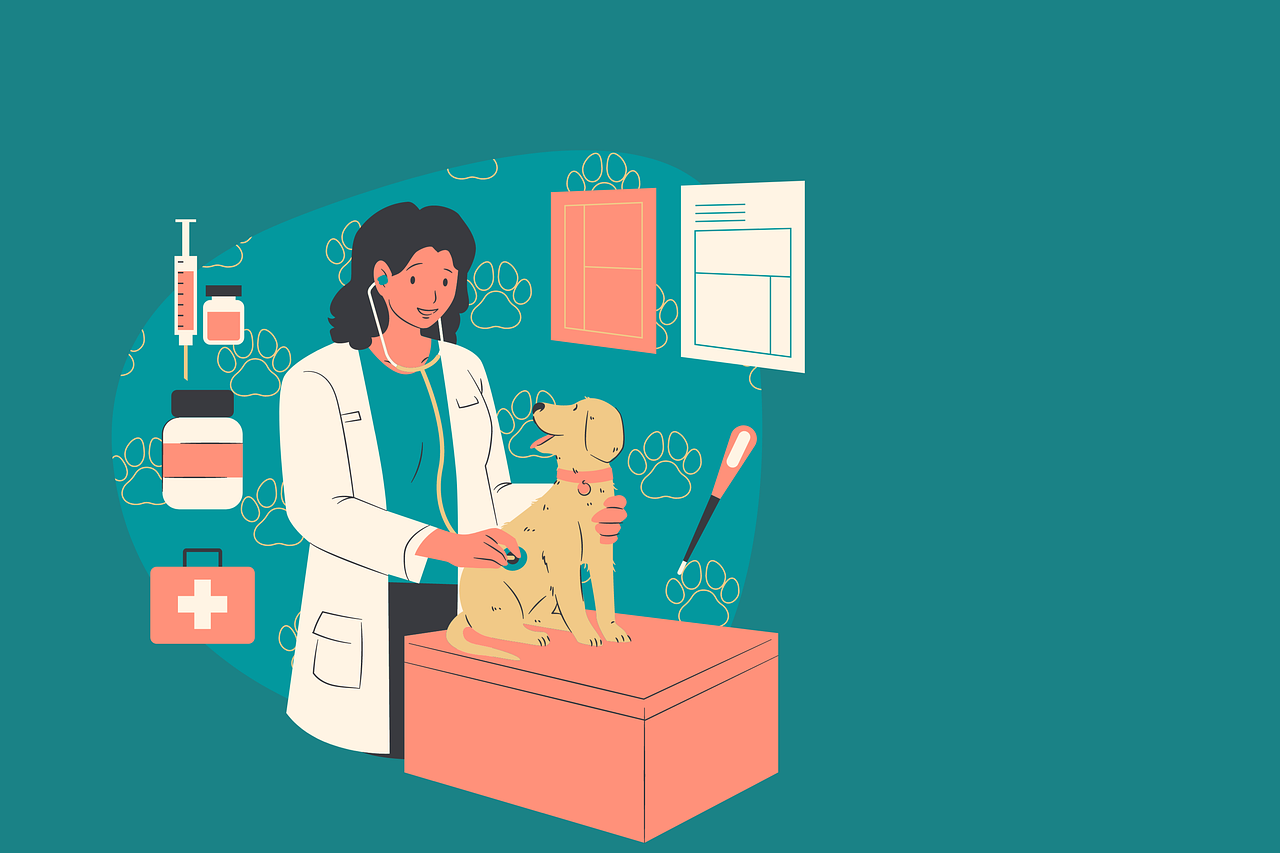

Essential Commands to Teach Your Dog Before Visiting the Vet
Taking your dog to the veterinarian can be a stressful experience for both you and your pet. It is crucial to prepare them by teaching essential commands that can help ease their anxiety and make the visit smoother. Start with basic commands like sit and stay. These commands instill discipline and ensure your dog’s control during the visit. Practicing come will help you manage your dog in the waiting area. Begin by practicing these commands in a quiet place before introducing distractions, gradually increasing the challenges. It is helpful to reward your dog with treats and praise when they obey commands.
Another fundamental command to teach is leave it. This command is especially beneficial when your dog might encounter objects or other animals in the vet’s office. During practice sessions, use a treat or toy to encourage your dog to engage with the item before redirecting them with the leave it command. This way, your dog learns impulse control and staying focused on your instructions. Furthermore, familiarize your dog with being handled by gently touching their paws, ears, and mouth. This can help them become accustomed to examinations at the vet, making this less intimidating. Using positive reinforcement during practice can reinforce the idea that these experiences are not negative.
Handling Vet Procedures
Encouraging your dog to be comfortable with routine vet procedures is also vital. Teaching the command wait can be extremely useful, especially during check-in or when waiting for a procedure. Start by having your dog stay in a specific spot until you release them. This command can prevent them from jumping around or becoming overly anxious. Additionally, train your dog to lie down while you groom them or examine them in a calm environment. Using treats during this time can create a positive experience linked to the command.
Consider practicing the command no in a gentle manner, focusing on using it when they attempt to lick or nibble at items they shouldn’t. This teaches your dog boundaries and sets limits on their behavior, which can be critical at the vet. For an added layer of training, practice leash walking to promote good behavior in the presence of new sights and sounds, such as those in a vet’s office environment. Teach your dog to walk by your side calmly. Consistent leash training can enhance their focus and reduce anxiety during visits.
Building Confidence through Socialization
Socialization with other dogs and people is essential for the confidence of your pet. Visit your local animal park and ensure that your dog is exposed to various environments. Engaging in positive interactions with other animals reduces fear and anxiety in unfamiliar settings, such as a veterinary clinic. During these encounters, reinforce good behavior with the commands learned previously. Regularly practicing commands around different distractions helps build your dog’s adaptability and responsiveness.
Practice simple commands in varied environments so your dog develops confidence in listening to you regardless of the chaos around them. For instance, take your training sessions to the city or busy parks. Incorporating different breeds and sizes can help your dog learn how to interact properly without fear. Ultimately, this socialization will pay off positively during their trips to the vet, as they grow accustomed to unusual situations and people.
Preparing for the Vet Visit
Arriving at the vet’s office should be a positive experience. Make sure to familiarize your dog with the clinic before the appointment. You can stop by the clinic for a casual visit where your dog can sniff around and get accustomed to the space. Taking a few treats during this visit can create a more pleasant association with the environment. Once you are in the waiting room, encourage them to use the skills you practiced, such as sit and stay.
Visiting the vet regularly for basic checkups can build up your dog’s comfort level over time. Just like humans, dogs can have anxiety related to new environments or experiences. Easing them into the situation with prior training and familiarity should create a calm atmosphere. With consistent training and proper preparation, vet visits will become less intimidating for your dog, making it easier for them to navigate through future experiences positively.