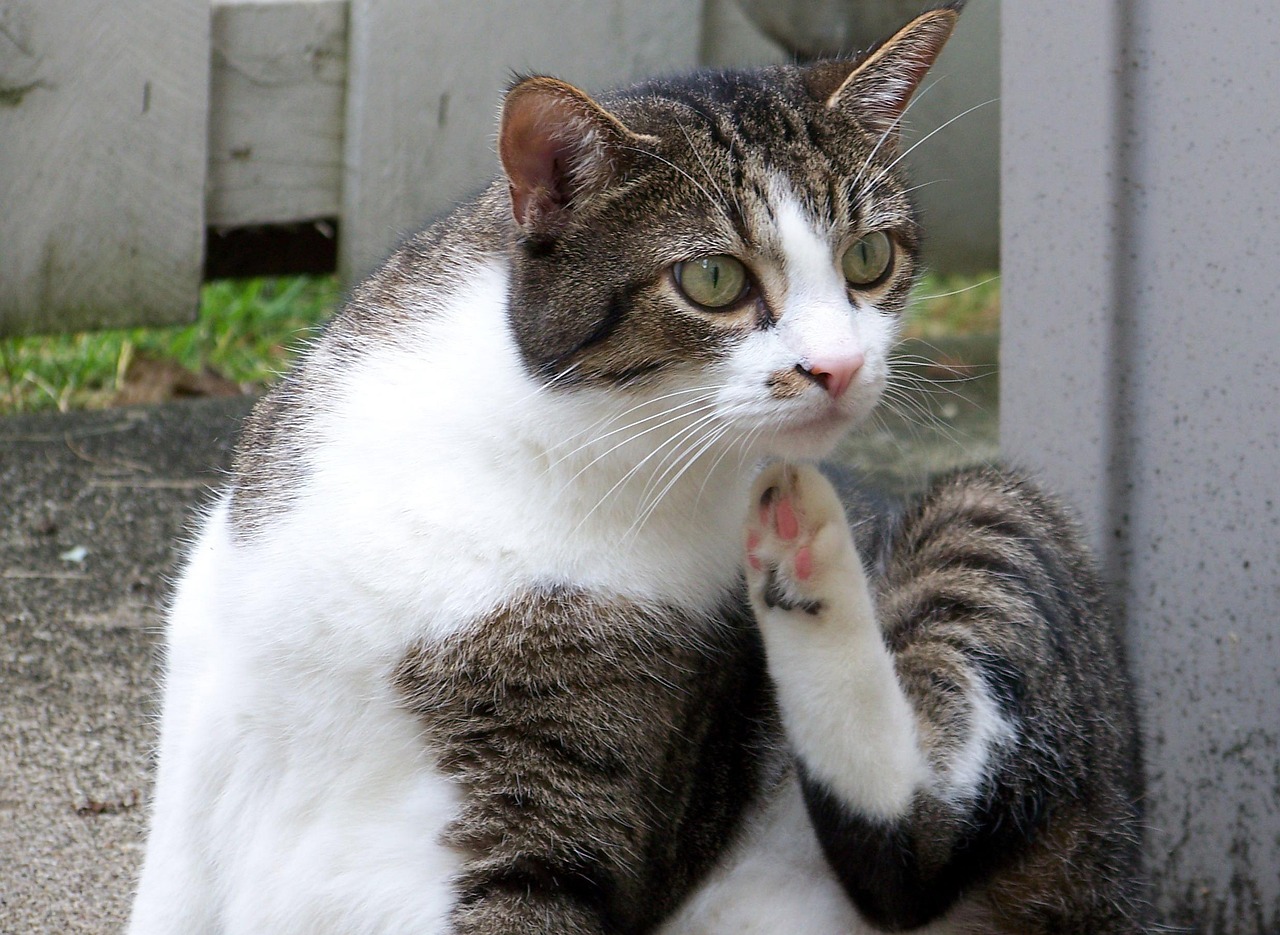

Training Tips to Manage and Reduce Cat Scratching
Cats are naturally inclined to scratch due to their instinctual behaviors. Scratching helps them maintain their claws, exercise, and relieve stress. If your cat scratches furniture or walls, addressing this behavior promptly is key. First, provide suitable scratching posts in your home. Consider their preferences when choosing materials – sisal, cardboard, or carpeted surfaces. Position these posts in areas where your cat already likes to scratch for a seamless transition. You can also attract your cat to these posts using treats or catnip. Another tip is to apply double-sided tape to furniture. Cats dislike the sticky sensation on their paws, which may deter them from scratching there. Using feline pheromone sprays can also be effective. They create a sense of comfort and familiarity for your cat, reducing anxiety-driven clawing. Continue to monitor their behavior closely, rewarding them when they use the scratching post instead of the couch. Maintaining an engaging environment filled with toys encourages physical activity, which reduces the urge to scratch out of boredom. With patience and consistent training, you can successfully manage your cat’s scratching habits.
In addition to providing scratching posts, it’s important to understand your cat’s specific scratching patterns. Different cats have different preferences for where they scratch. Some may favor vertical surfaces, while others prefer horizontal ones. Observe your cat’s behavior to identify their preference and strategically place scratching posts accordingly. It’s also essential to regularly rotate the scratching posts. This can prevent boredom and keep your cat engaged with their designated scratching area. Using positive reinforcement techniques is another effective method to reduce unwanted scratching. When your cat uses the scratching post instead of the furniture, reward them with treats, praise, or affection to encourage this behavior. Cats thrive on routines, so establishing a consistent reward schedule can strengthen this good habit. If your cat is particularly stubborn about scratching furniture, consider covering those areas with protective materials. Furniture covers, slipcovers, or even decorative throws can shield your belongings while your cat learns to adjust. Combining these strategies creates an environment that supports both your cat’s instinctual needs and your desire to maintain a scratch-free home. Over time, you’ll see improvement in their scratching behaviors.
Understanding Cat Scratching Behavior
Cats scratch for various reasons, and understanding these motivations is essential in addressing the behavior. Scratching is natural and serves multiple purposes beyond just keeping their claws sharp. It is a crucial part of their physical and mental health. The act of scratching allows cats to mark their territory, leaving both visual and scent markers. The pads of their paws have scent glands, and scratching can help them communicate their presence to other animals. Providing an adequate outlet for this instinctual behavior is vital. With this in mind, it’s also essential to ensure that your cat feels secure in your home. This security can dramatically influence their need to scratch. If your cat feels threatened or anxious, they might scratch out of stress. Identifying any triggers for anxiety, such as loud noises or new pets, and addressing them can alleviate the need to scratch excessively.Creating a calming environment can also help. Consider setting up high perches, as many cats feel safest when they can observe their surroundings from elevated positions. These measures create a balanced, enriched living space for your cat.
An effective training technique includes distraction and redirection. When you catch your cat scratching furniture or undesirable areas, gently direct them toward their scratching post or a toy. Use enticing catnip or interactive toys to make the post more appealing. This process requires patience and consistency; it might take time for your cat to adjust to this change. Be diligent about rewarding your cat when they scratch appropriately; positive reinforcement is powerful. Creating a routine can enhance your training efforts, combining playtime with scheduled times for scratching. During designated playtimes, you can encourage your cat to engage with their scratching post. Maintain an open dialogue with your veterinarian as well. They can provide insights on your cat’s behavior and recommend solutions tailored to your specific situation. In some cases, a medical issue could contribute to scratching behaviors, so professional advice is invaluable. Consider investing in a variety of scratching surfaces, styles, and locations within your home. Diverse options can cater to your cat’s natural instincts and preferences. This multifaceted approach fosters more desirable scratching habits while keeping both your furniture and your cat happy.
Seeking Professional Advice
Sometimes, your efforts alone may not suffice in addressing a cat’s scratching behaviors. If you struggle despite implementing various strategies, consulting a feline behaviorist or your veterinarian is wise. They can assess the situation and offer tailored advice suited to your cat’s unique needs. Behaviorists specialize in understanding cat psychology and can provide valuable insights. A behaviorist may observe your cat’s habits in person, allowing them to offer targeted recommendations. They can also help differentiate between behavioral and environmental factors contributing to scratching. Additionally, behavioral medications could be explored as an option under veterinary guidance. The goal is not to suppress your cat’s natural instincts but to guide them towards acceptable outlets for their scratching behavior. Understanding your cat on a deeper level allows for a healthier relationship. After seeking professional advice, ensure you consistently implement recommended changes. Document the improvements and setbacks in their scratching behavior, and this solid record helps make adjustments as needed. The key to successful scratching management lies in nurturing a tranquil environment and offering appropriate scratching materials combined with professional guidance.
Finally, remember to exercise empathy and patience in your approach. Cats, like people, respond to stress and changes in their environment. It is essential to maintain their well-being through each step of the training process. Over time, you will likely see significant improvements in their scratching skills as they learn to distinguish between acceptable and unacceptable surfaces. By creating an environment that is both engaging and comfortable, you support your cat in developing healthy habits. Also, consider incorporating interactive toys and puzzle feeders to stimulate their minds. Keeping your cat mentally stimulated plays a significant role in reducing boredom-related scratching because it taps into their natural behaviors. Engaging them with various textures and heights in their surroundings also taps into their instinctual scratching urge, so you provide appealing alternatives. Remember to appreciate small victories along the way – each time your cat uses their scratching post, celebrate it! This fosters a positive atmosphere and encourages consistent habit development. Over time, these practices create a more harmonious relationship between you and your cat while preserving your belongings from the ravages of unchecked scratching.
In conclusion, managing a cat’s scratching behavior is an ongoing journey that requires patience, understanding, and creativity. Implementing a variety of strategies ensures that your cat’s natural needs are met while maintaining a pleasing environment for both of you. By providing suitable scratching surfaces, applying positive reinforcement, and creating a secure space, you can considerably reduce undesirable scratching. Emphasizing regular engagement, monitoring your cat’s progress, and seeking professional help if needed can make all the difference. Remember, every cat is unique, and what works for one may not work for another. Your dedication and creativity in addressing this behavior are vital for a harmonious living space. The love and care you show during this training period will deepen the bond you share with your furry friend. Always aim for a balance between meeting your cat’s natural instincts and your expectations as a pet owner. With time and persistence, it is definitely possible to train your cat effectively. Adjust those strategies based on your observations, and don’t hesitate to tailor the approach as your cat grows and changes over time.
Ultimately, each cat has distinct personality traits and preferences. By creating a personalized routine that respects their individuality, you can achieve both a scratch-free home and a happy, healthy cat. Staying patient and committed throughout the process teaches your feline friend acceptable scratching behavior, minimizing frustration for both of you. Regularly inspecting and renewing scratching posts can keep them appealing to your pet, reinforcing positive behavior. Combining all strategies means fostering a home that meets the needs of your beloved companion. Just like any other habit, learning to scratch in appropriate areas takes time and repetition. It’s natural for your cat to experiment before fully adjusting, so approach each step calmly and gently. Emphasize love and patience, as these are key in ensuring a smooth transition. A successful training process can transform your cat into a well-adjusted, happy pet who respects their boundaries while fulfilling their need to scratch. In the end, focus on connection – love and understanding underpin good training practices, leading to lasting change.