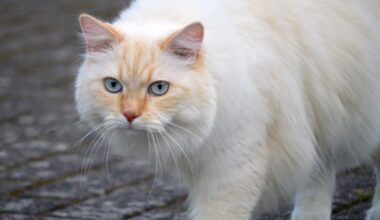

How to Create an Engaging Exercise Routine for Your Cat
Creating an engaging exercise routine for your cat is crucial for their physical and mental well-being. Cats are naturally curious and active creatures, so it is essential to provide them with stimulating activities. However, many cat owners face challenges in getting their pets to exercise consistently. Common obstacles include a lack of time, space restrictions, or simply the cat’s reluctance to engage. To overcome these challenges, you can explore various interactive toys and exercises that utilize their innate hunting instincts. For example, feather wands and laser pointers can inspire them to chase and jump around. You can also encourage active play by creating a safe environment with plenty of vertical spaces, like shelves or cat trees. Additionally, using treat-dispensing toys can motivate them to engage in physical activity while stimulating their minds. Keep in mind that each cat is unique and might process stimulation differently. Observing your cat’s behavior will help you tailor a routine that suits their needs, ensuring they enjoy their exercise routine while staying healthy. Engaging them in playtime not only benefits their fitness but strengthens the bond between you and your furry companion.
Another key aspect of your cat’s exercise routine is variety. Cats, like humans, can become bored with repetitive activities. Incorporate a range of exercises to keep your cat interested, mixing interactive play, solo playtime, and structured workouts. Providing different types of toys is essential for maintenance of their enthusiasm. Rotate toys regularly to keep them fresh and exciting. You can include balls, stuffed mice, and crinkle toys in your rotation, allowing for exploration and engagement. Additionally, setting up obstacle courses can stimulate their curiosity and allow them to move freely while challenging their physical abilities. Test different setups using furniture or purchased cat agility kits to find a routine that fully utilizes your home’s space. Also, consider your cat’s personality when designing this routine. Some cats may prefer chasing over jumping activities, while others thrive under the engagement of problem-solving toys. Adjust the intensity based on your cat’s age and health as well to prevent injuries. This not only promotes exercise but also ensures that the activity aligns with their energy levels and capabilities, providing a more enjoyable experience overall.
Integrate Exercise into Daily Life
Integrating exercise into your daily life is vital to ensure consistency in your cat’s routine. Cats thrive on consistency, making the establishment of fixed playtimes essential. Schedule specific times during the day dedicated to play, ensuring your cat anticipates these sessions. Short bursts of play, ranging from 10 to 15 minutes, two to three times a day can be effective in meeting their exercise needs. Early morning or evening can work well since most cats are naturally more active during these times. Combine physical activity with feeding schedules – using toys that dispense treats encourages movement while they ‘hunt’ for food. Feeding during playtime also reinforces positive associations and builds excitement around exercise. Ensure that family members are involved in this routine to enhance the social aspect of play. Collaboratively creating interactive sessions increases engagement and strengthens bonds. Additionally, take note of your cat’s increasing agility and enthusiasm over time, adjusting routines accordingly to keep them challenging and rewarding without leading to overstimulation or fatigue. This routine balance will pave the way for a happy, healthy feline companion that is connected to you.
Monitoring your cat’s weight and overall health is another essential factor when developing an exercise routine. Obesity in cats is a growing concern, leading to various health issues like diabetes and joint problems. Regular health checks and consultations with your veterinarian are crucial in managing your cat’s weight effectively. Your vet can provide guidelines for ideal body weight specific to your cat’s breed and age, which can help you design an exercise program tailored to achieving these goals. Consider using a scale to track your cat’s weight periodically, aiming for gradual weight loss if overweight. You may also start with less intense exercises if your cat is overweight or has existing health concerns. Gradually increasing exercise intensity can lead to sustainable weight management. Keep track of your cat’s progress, noting changes in energy levels and activity preferences. A continuous assessment will allow you to adjust routines effectively, ensuring they remain engaging over time. Furthermore, as your cat becomes fitter, add more challenging exercises to maintain interest. Your attention will not only promote their overall health but also help establish a foundation for a long, healthy life.
Engagement Through Technology
Utilizing technology can enhance your cat’s exercise routines significantly. Numerous interactive gadgets are available on the market that encourages active play, catering to your cat’s natural instincts. Automated laser toys, for example, can be programmed to create stimulating play sessions when you are occupied. This technology allows for uninterrupted playtime and ensures that your cat gets exercise in your absence. There are also vacuum-like toys or remote-controlled devices that mimic the unpredictable movement of prey, engaging your cat’s curiosity and hunting skills. Consider integrating smart pet cameras that let you observe and interact with your pet remotely. These devices can create an interactive experience through audio or visual cues, encouraging your cat to play solo or with your guidance. Additionally, fitness trackers designed for pets can help monitor activity levels, providing insights into your cat’s exercise habits that may require attention. Implementing technological solutions not only keeps your cat fit but also allows you to stay connected and involved, providing reassurance while curating an enjoyable exercise routine that suits both your lifestyles.
Sometimes, socialization with other pets can enhance exercise activities for your cat. If you have multiple pets, orchestrate a fun play session to engage all your pets in a group setting, encouraging friendly competition and camaraderie among them. Cats can learn from one another and may be motivated to match their peers’ energy levels or skills. When introducing new cats, proceed cautiously to avoid anxiety; gradual exposure works best. Create a separate area for their healthy exploration first, leading to harmonious play sessions later. Even taking your cat outdoors safely, utilizing a leash and harness, can open up new avenues for exploration and exercise. Supervised outdoor activities allow your cat to explore different environments, encouraging mental stimulation and physical activity simultaneously. Observe your cat’s behavior closely during these outings to spot their interests, possibly influencing future indoor activities. Maintain a calm demeanor during play to help ease their comfort levels. A holistic approach to socializing can enrich their exercise routine, making it more satisfying and compelling while fostering important social skills and emotional well-being.
Consistency is Key
Lastly, consistency is paramount in developing an effective exercise routine for your cat. Like humans, pets thrive with routine; establishing a regular, predictable pattern for exercise helps reinforce their excitement towards playtime. Incorporate different exercises into your routine while maintaining a steady structure, striking a balance between variety and predictability. Cats often appreciate familiarity, so once they adapt to specific exercises or routines, it may be beneficial to stick with these periodically while introducing new elements as time progresses. Additionally, document your cat’s exercise journey, tracking time spent playing and variety of activities. Keeping a record provides insight into which activities your cat enjoys most or least, allowing you to make informed adjustments over time. You can share observations with veterinarians if growth or behavioral changes arise that require attention. Lastly, praising your cat during playtime builds confidence and reinforces those positive experiences making them look forward to exercise. With patience, dedication, and creativity, you can create a consistently engaging exercise routine that promotes your cat’s overall wellness and happiness, fostering a profound relationship that endures through the years.
By recognizing the importance of exercise and addressing common challenges, you can create an effective and enjoyable routine for your cat. Remember to be patient and take note of your cat’s preferences as they engage in various activities. With time and effort, your feline companion will develop positive associations with exercise, ensuring that physical activity remains a rewarding aspect of their everyday life. Not only will this help maintain their health but it can also lead to a stronger bond between you and your pet.