
Understanding Dog Behavior to Prevent Injuries
To ensure a safe environment for dogs, understanding their behavior is essential. Dogs communicate through body language and vocalizations. Observing these signals is crucial in identifying their emotional states. Recognizing when a dog feels threatened or anxious can prevent aggressive behaviors. For instance, a dog showing signs of fear may react defensively. Thus, it is vital to respect their boundaries. Additionally, socializing dogs from a young age helps them develop appropriate interactions with humans and other animals. This reduces the risk of chance encounters leading to injuries. Teaching commands, like “sit” or “stay,” establishes authority and trust. Training consistent behavior reinforces obedience. Furthermore, knowing a dog’s breed characteristics aids in anticipating reactions in various situations. Certain breeds may have innate traits that influence their behavior, which can be utilized for their safety. Owners must continuously educate themselves about their dog’s needs. Awareness of health issues and stressors plays a significant role in their behavior. Simple modifications to daily routines can improve a dog’s response to their surroundings. Observing them regularly helps ensure a happy and safe living environment. A proactive approach can significantly reduce the risk of injuries.
In addition to understanding basic behavior, knowing the warning signs of distress is essential. Many dog owners might misinterpret growls or barks. Educating oneself on how to interpret sounds and body language can make a significant difference. Signs like bared teeth, raised hackles, or a stiff body posture often indicate discomfort. Addressing such concerns promptly and appropriately can avoid escalation into aggressive behavior. Recognizing signs of stress, fear, or anxiety in dogs is pivotal to ensuring safety. Many dogs display anxious behaviors in crowded places or around unfamiliar people. Creating a calm environment helps alleviate these stresses. Using calming tools such as anxiety wraps or pheromone diffusers can also aid in reducing anxiety. Furthermore, regular exercise and mental stimulation contribute to overall canine well-being. Walking, playing fetch, or engaging in puzzle toys keep dogs physically and mentally occupied. This minimizes the likelihood of behavioral issues arising from boredom or excess energy. Additionally, establishing a daily routine provides predictability for dogs. Predictability can lessen anxiety and build trust with their owners. In turn, this leads to better interactions and fewer accidents. By remaining vigilant and proactive, owners can create a safer environment for their dogs.
Proper Socialization Techniques
Effective socialization is crucial for preventing injuries for both dogs and people. A well-socialized dog tends to respond better in unfamiliar situations and environments. Early exposure to various stimuli, including noise, people, and other animals, plays a critical role in shaping a dog’s behavior. Ensuring a gradual and positive introduction can foster confidence, minimizing instances of fearful or aggressive reactions. Positive reinforcement can be employed during these initial encounters, ensuring that the dog associates good experiences with these situations. Furthermore, group training classes can provide social opportunities with other dogs in a controlled environment. These controlled interactions can help reduce the likelihood of conflicts. Ensuring a safe distance initially allows them to observe without fear. Gradually decreasing the distance encourages confidence. Socialization should be continued throughout a dog’s life, adapting it to their maturity levels. Regular playdates with known dogs can enhance their social skills. Additionally, understanding individual temperaments helps tailor socialization experiences. Some dogs may require more time to adapt compared to others. Owners should be patient and consistent in their efforts. This ensures that their dog grows up well-adjusted and comfortable in diverse settings.
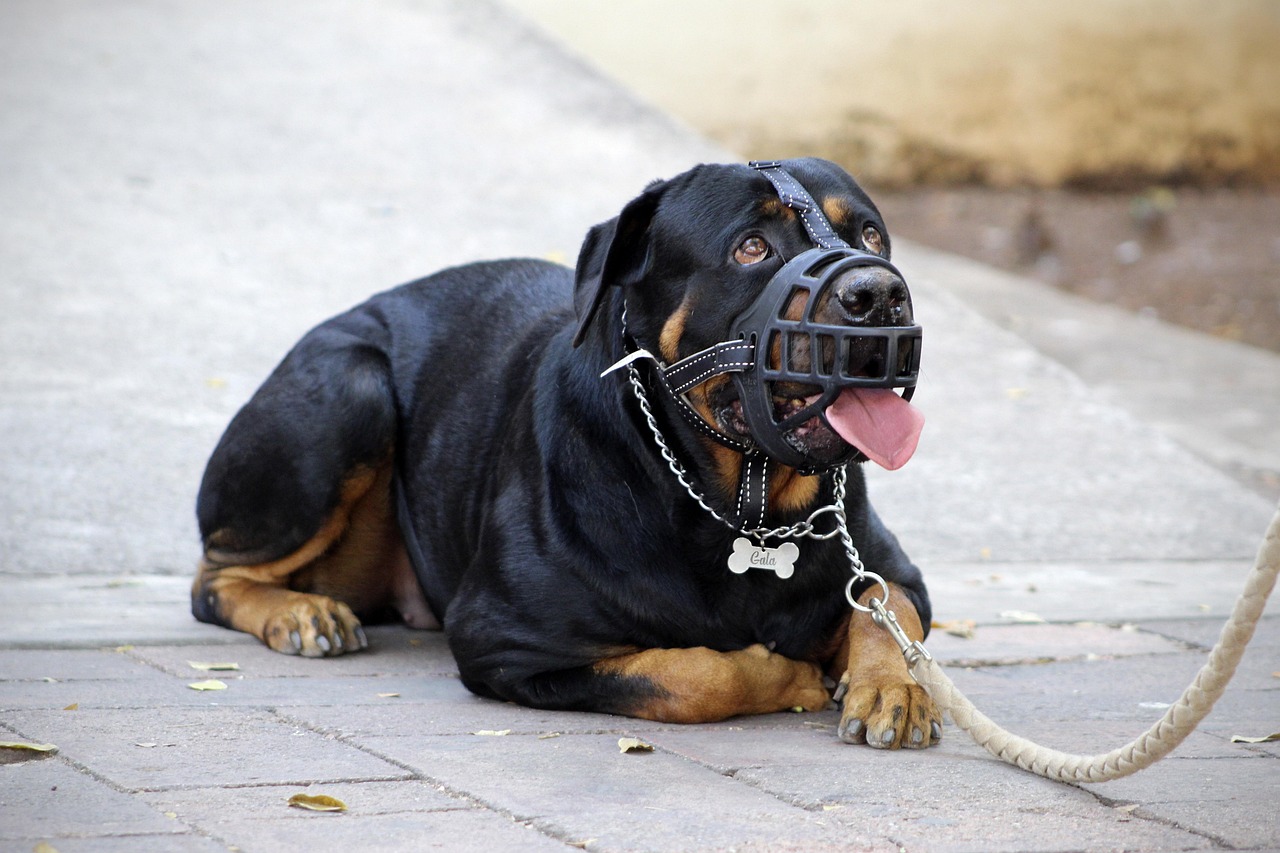
Aside from socialization, it is fundamental to teach dogs the basics of good behavior expected in public settings. For example, basic commands such as “leave it” or “come” can be lifesavers in moments of panic. These commands can prevent dogs from engaging in potentially dangerous behaviors, like running into traffic or approaching aggressive animals. Engaging in regular training exercises reinforces these commands, ensuring the dog responds immediately when needed. Additionally, leash training is a must for any dog owner. Proper leash training helps maintain control during walks, preventing them from sudden lunges or escapes. A good leash and harness combination can aid in this training process, ensuring safety and comfort for the dog. Similarly, employing a muzzle can be beneficial in situations where a dog may feel threatened or reactive. Training dogs to accept wearing a muzzle can reduce anxiety while ensuring safety in emergencies. Another neglected aspect is the need for regular veterinary check-ups to ensure the dog is physically healthy. Pain or discomfort from underlying issues can influence behavior significantly. Remember, a healthy dog is less likely to engage in unsafe behaviors that can result in injuries.
Creating a Safe Environment
Constructing a safe and secure home environment is critical for preventing injuries to dogs. This includes eliminating hazards such as sharp objects, toxic plants, and poisonous chemicals. Dog-proofing your living space minimizes the chances of accidents. Enclosing hazardous areas with gates ensures that their curious nature doesn’t lead them into danger. For example, kitchens and bathrooms often contain harmful substances the dog should avoid. An essential step is also storing cleaning supplies in cabinets with childproof locks to prevent access. Providing a comfortable space enhances their safety and well-being substantially. Having a designated area with cozy beds and toys allows dogs to feel secure and reduces anxiety. It is also vital to interact with your dog in this space to establish trust and comfort. Regular inspections of outdoor areas are crucial to remove any potential dangers. Checking for sharp stones, holes, or anything a dog could ingest ensures outdoor safety while playing. Allowing dogs free access to a fenced yard provides them exercise without the worry of traffic. Additionally, exercising vigilance when walking them on leashes in public spaces is essential. By creating a secure environment, owners can significantly reduce potential injury risks.
Apart from physical safety, mental health is equally competitive in ensuring overall wellness for dogs. Providing a stimulating environment enables dogs to thrive. Interactive toys, treat puzzles, and scheduled playtime contribute to mental engagement. Boredom can lead to destructive behavior, which often results in injuries. An active schedule routine can help keep a dog’s mind sharp and focused. Additionally, engaging them in activities like agility training or obedience classes provides not only physical exercise but also mental stimulation. These activities strengthen the bond between the dog and its owner while promoting good behavior. Moreover, continuously assessing the dog’s personality and preferences enables owners to tailor activities that resonate with their dogs. Engaging a dog’s natural instincts, like hunting or retrieving, can help channel their energy productively. Mental stimulation should never be overlooked in a dog’s upbringing. Regular variations in their activities can improve their confidence and adaptability in different situations. Owners are encouraged to rotate toys often and introduce new experiences, preventing stagnation in engagement. These efforts ensure a happier and healthier dog, leading to fewer behavioral problems. Ultimately, a focus on both mental and physical health nurtures a well-rounded companion.
Conclusion: The Path to Safety
To ensure a dog’s safety and prevent injuries, a multifaceted approach is essential. Owners must actively engage in understanding and addressing their dog’s behavioral cues. Training, socialization, and creating a safe environment serve as foundational elements. Continuous monitoring of health and emotional states also plays a considerable role in promoting safety. Owners should commit to ongoing education regarding their dog’s needs, behaviors, and potential triggers. This commitment helps cultivate a deeper bond and enhances trust. An informed owner can navigate common potential dangers by understanding their dog’s hereditary behaviors. Additionally, regular veterinary care provides essential support for physical and mental well-being. Developing healthy stress management and coping techniques in dogs will help them adapt and thrive in various environments. By instilling good habits from a young age, owners can witness more manageable and safer interactions. Ultimately, a proactive approach to dog safety ensures a positive and enriching relationship. This leads to fewer injuries and a more fulfilling life for dogs and their owners. By staying informed and engaged, owners create a nurturing atmosphere that keeps their dogs safe and happy.
Integrating various aspects of dog safety practices ultimately helps foster a safe atmosphere. Utilizing resources such as online courses or workshops can further bolster understanding of canine behavior and safety protocols. Additionally, collaborating with local trainers or behaviorists can provide personalized insights and guidance. Following the steps outlined promotes a happier experience for both dogs and owners. With diligent effort and commitment, the relationship between dogs and their human companions blossoms, leading to a fulfilling and safe coexistence. Keeping these insights at the forefront ensures continual awareness of evolving dog safety practices.