
The Impact of Car Anxiety on Your Dog’s Overall Behavior
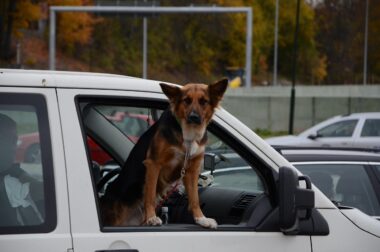
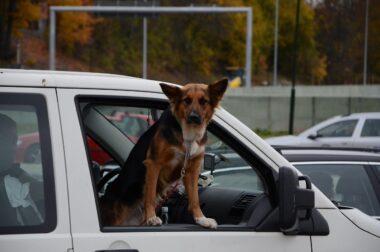
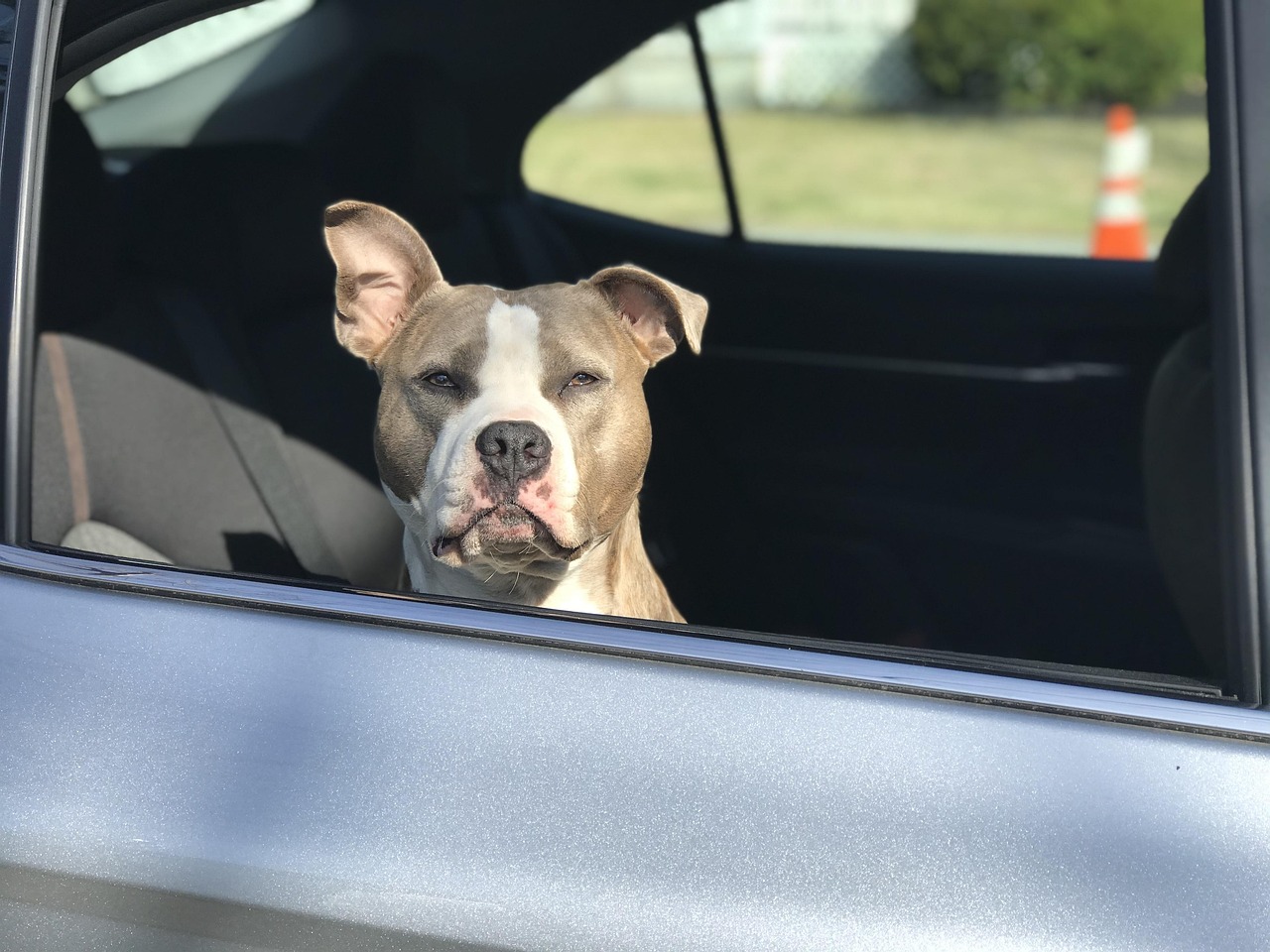
Car anxiety is a prevalent issue for many dogs, significantly affecting their behavior. When dogs feel anxious in cars, it can manifest in various ways, including excessive barking, whining, or attempting to escape. This anxiety can increase stress levels not only for the dog but also for the owner, impacting the overall traveling experience. Recognizing the signs of car anxiety in dogs is crucial to addressing the problem effectively. Some dogs may show signs of distress by panting heavily or drooling excessively. Others might tremble or hide in the back of the vehicle when they sense movement. These behaviors highlight how deeply car anxiety can affect an animal’s mental state. Moreover, regular exposure to car rides while in distress can lead to conditioned responses, making future rides even more challenging for your pet. It’s essential to consider the psychological implications; a dog who fears getting into a car may develop broader anxiety issues. Therefore, understanding car anxiety is essential for both owners and pets to ensure a happier, healthier relationship when traveling together.
Coping Strategies for Car Anxiety
Handling car anxiety in dogs requires patience, understanding, and various helpful strategies. One effective method is gradual desensitization, which involves slowly introducing your dog to the vehicle. Start by letting your dog explore the car while it is parked, allowing them to associate the space with positive experiences. Offering treats and praise helps create a more enjoyable environment. Gradually, you can progress to short trips around the block, rewarding your dog for calm behavior during the ride. Additionally, using calming aids may assist in managing anxiety. Products like anxiety wraps, pheromone sprays, or calming music can help reduce stress levels. Always consult with a veterinarian before introducing any medication. It’s also beneficial to establish a positive routine around car rides. Create a comfortable and familiar space within the vehicle by including your dog’s favorite blanket or toy. These familiar items can provide comfort. Finally, always be mindful of your dog’s body language during trips, as it can offer essential clues about their comfort levels. Implementing these strategies will not only ease your dog’s car anxiety but also improve their overall behavior.
Moreover, identifying potential triggers of car anxiety is crucial for mitigating the issue. Different dogs may react to various stimuli such as unfamiliar sounds, smells, or movements. Pay attention to your dog’s body language and reactions when they are near the vehicle. For instance, a dog that previously enjoyed car rides may develop anxiety due to a traumatic experience such as being involved in an accident or encountering loud noises. Addressing these specific triggers can aid in developing a tailored training plan to combat anxiety. Owners can enhance their dogs’ experiences by avoiding high-stress situations. If your dog tends to get overwhelmed with loud music or busy traffic, consider choosing quieter times for travel. Furthermore, agile training or rewarding calmness when approaching and entering the vehicle can reinforce desirable behavior. Education on dog behavior can also be beneficial for owners in understanding their pets’ needs better, providing them with proper support during travel. Attending training sessions with a professional can also be instrumental in ensuring effective behavior modification techniques are utilized. Employing these strategies can help dogs lead a more balanced and enjoyable life while traveling.
Symptoms of Motion Sickness in Dogs
Just as humans experience motion sickness, dogs can suffer from it as well, creating additional challenges during car rides. Symptoms of canine motion sickness often include vomiting, excessive drooling, and constant whining. If your dog exhibits any of these symptoms, it’s essential to differentiate between motion sickness and car anxiety, as they require different interventions. Motion sickness can occur when the inner ear senses movement while the dog’s stomach does not, leading to discomfort. Understanding these symptoms is vital for both the health of your pet and the duration of journeys. For example, a dog that experiences vomiting during travel may develop an aversion to car rides, leading to heightened anxiety. To help alleviate motion sickness, feeding your dog a light meal a few hours before traveling may be beneficial, as an empty stomach can exacerbate nausea. Additionally, consider using a dog-friendly medication recommended by a veterinarian to mitigate the effects of motion sickness during journeys. Providing a comfortable crate or harness can also contribute to stabilizing your dog during rides. Through these methods, you can ensure a more pleasant travel experience for your furry friend.
The relationship between motion sickness and car anxiety is often intertwined, affecting a dog’s overall behavior pattern. Dogs that routinely experience discomfort from motion sickness may begin to associate car rides with negative experiences, leading to increased anxiety. This escalating cycle can result in more severe behavioral issues over time, potentially impacting other aspects of a dog’s life. It’s not uncommon for dogs to exhibit avoidance behaviors, where they resist getting into a vehicle altogether, resulting in stress for the owner and difficulty in transport. Therefore, it is critical for dog owners to remain observant and proactive in addressing both motion sickness and anxiety. Training dogs through positive reinforcement methods can build confidence and help mitigate fears. Breaking down journeys into smaller, frequent trips can help desensitize dogs to the experience. Engaging them with toys or treats during travel can shift their focus away from anxiety sensations, thus reinforcing positive associations with car rides. As all dogs are different, recognizing specific behavioral cues is essential in creating tailored strategies that help improve their reactions and reduce anxiety levels during travel.
Preventive Measures for Future Car Rides
Implementing preventive measures to reduce car anxiety and motion sickness can significantly improve your dog’s travel experiences. One effective strategy is to establish a routine that includes regular car rides, making it a familiar part of your dog’s life. The more accustomed your pet becomes to the environment, the less likely they will experience anxiety or motion sickness. Ensure your dog is securely harnessed or crated during travels to promote safety and comfort. A stable environment can minimize the risk of injury and help ease anxiety. Additionally, providing frequent breaks during longer journeys allows your dog to stretch, relieve themselves, and enjoy a change of scenery. This practice not only helps manage stress but also gives your pet breathing room. Moreover, introducing calming scents, such as lavender, can be a natural way to soothe your dog in the vehicle. Regular training and socialization sessions can also contribute significantly to reducing anxiety. Consistent exposure to various environments will help your dog adjust better while reinforcing positive behaviors. Employing these preventive strategies can substantially enhance your dog’s overall behavior during car rides.
In conclusion, addressing car anxiety and motion sickness in dogs is crucial for maintaining their overall well-being and promoting positive behavior. The key to overcoming these issues lies in understanding the root causes and implementing effective strategies tailored for each dog’s needs. By employing desensitization techniques, identifying triggers, and utilizing calming methods, pet owners can make car travels less daunting experiences. Additionally, recognizing signs of motion sickness can guide owners toward effective management solutions. It’s essential to develop a routine that includes gradual exposure to vehicle travel, reinforcing behaviors that cultivate a positive association with car rides. Seeking professional help when needed can provide beneficial insights and complement your training efforts. Remember, the long-term goal is to create a harmonious travel experience that benefits both the dog and the owner. Regular check-ins on your dog’s behavior during rides will inform adjustments in your strategies as necessary. With patience and positive reinforcement, you can transform car anxiety into a condition of confidence where travel becomes an enjoyable part of life with your pet.