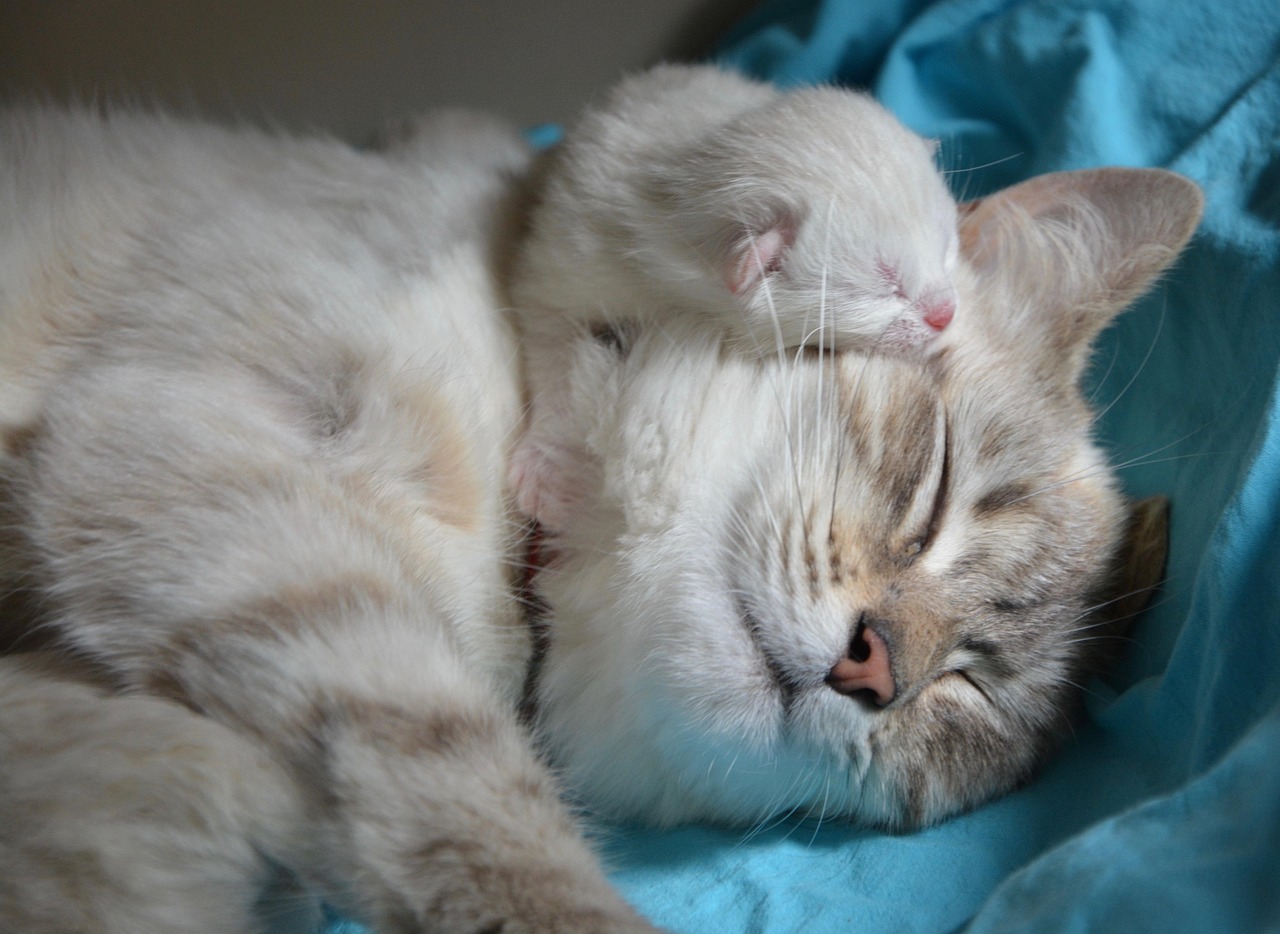

Tracking Kitten Growth During Illness: What You Need to Know
Tracking the weight and size of your kitten is crucial, especially during periods of illness. Monitoring changes in these factors can help you identify potential health problems early. It is essential to use a precise scale to weigh your kitten regularly. The goal is to ensure steady growth and catch any sudden weight loss or gain. A sudden decrease in weight may indicate that your kitten is not eating enough or is stressed. Conversely, weight gain could suggest issues related to health or diet. Pay attention to your kitten’s body condition. You should feel their ribs without too much pressure, and they should have a defined waist. Regular vet check-ups are vital, especially if you notice any drastic changes in weight. Document the weight measurements in a notebook or a digital app, noting the dates and any other important observations. This record is invaluable during vet visits as it provides insights into trends over time. Overall, being vigilant about your kitten’s weight is an essential component of responsible pet ownership during sickness.
To maintain accurate records, consider a weekly schedule for weighing your kitten. Choose a specific day to perform this task consistently, establishing a routine that your kitten can adapt to. Make weigh-ins part of their overall care; this should become a bonding experience rather than a stressor. Monitor their food and water intake alongside weight to understand better their nutritional needs and any health concerns. If your kitten has a specific illness, consult your veterinarian regarding tailored dietary recommendations. Understanding the calorie needs and dietary adjustments could prove vital in maintaining health. Additionally, look for signs of dehydration like lethargy or dry gums. Keep a close eye on their eating habits, as a loss of appetite can quickly lead to weight loss and further complications. If required, ask your vet about supplements or appetite stimulants to help maintain weight. Create an environment that reduces stress for your kitten, as anxiety can inhibit their eating habits. Overall, caring for a sick kitten necessitates a proactive approach to tracking their health metrics effectively.
Understanding Normal Growth Patterns
During the first few months, kittens typically gain weight rapidly, doubling or even tripling their birth weight within weeks. This growth phase is critical as their bodies develop and strengthen. For a better understanding, consult growth charts that establish standard weight ranges for kittens at different ages. Tracking changes against these benchmarks allows pet owners to gauge progress accurately. Observe not just weight but also size parameters like length and height as they grow. Some kittens may grow at slightly different rates based on breed and genetics. Use a measuring tape to track their height and body length, adding these dimensions to your records alongside weight. That way, you have a comprehensive view of their growth, allowing for timely interventions if issues arise. Growth may slow during illness; however, it’s essential to focus on maintaining a healthy weight during these periods. Note fluctuations in size and weight and discuss them with your vet. Regular updates to your records will give veterinarians the information needed to provide informed care exactly when your kitten needs it most.
In addition to tracking weight and size, it is essential to observe behaviors indicative of health issues. Changes in energy levels, grooming habits, or play behavior can signal underlying problems. Ensure that your kitten has plenty of opportunities to exercise and explore, as physical activity contributes to healthy growth. Playtime also reinforces positive bonding experiences for both of you, helping reduce stress. Engage them in basic play with toys that stimulate their natural hunting instincts. Even during illness, gentle play can encourage appetite and physical activity. Ensure your kitten is not participating in overly strenuous activities, especially if they seem unwell. Furthermore, maintain open channels of communication with your veterinary team for any abnormal behaviors you witness. A health-focused checklist may include various vital signs that could assist professionals in assessing your kitten’s overall condition. Consider a comprehensive checklist that includes grooming, dietary adjustments, energy levels, and behavioral quirks. Combining all this data creates a clearer picture of their health status during challenging times, ensuring that no symptoms go unobserved.
The Role of Nutrition in Growth Tracking
Nutrition plays a vital role in your kitten’s growth and recovery during illness. Providing high-quality, age-appropriate food is essential to maintaining their weight. Consult your veterinarian for recommendations on balanced diets tailored for their specific needs. Many kittens require higher protein levels and essential fatty acids for optimal growth, particularly when recovering from illness. Tracking their intake and dietary responses should be part of your overall observation strategy. Additionally, note any reactions to specific food types to avoid future dietary problems. Always transition slowly between food types to prevent gastrointestinal upset. If your kitten refuses to eat, consider alternative flavors or textures that may entice them to resume eating. Monitoring food consumption helps you identify trends in appetite and weight changes over time. Discuss portion sizes and feeding frequency with your vet, particularly if your kitten shows signs of illness. Increasing feeding frequency in smaller portions can be beneficial during illness. By being proactive and meticulous about nutrition, you can assist in keeping your kitten in the healthiest condition possible.
Tracking your kitten’s growth and size during illness also involves an understanding of hydration levels. Dehydration can cause serious complications, especially when recovering from illness. It’s vital to ensure your kitten is adequately hydrated for overall health. Monitor their water intake, offering fresh water daily while observing changes in drinking patterns. If you notice a decrease in fluid consumption, try various bowls, or even fountains, to attract them. Wet food is also an excellent option for increasing moisture intake, while maintaining a balanced diet. Always be alert to signs of dehydration, such as dry mouth, infrequent urination, or lethargy. Consult your vet promptly when any of these symptoms arise. Your role as a pet parent involves being vigilant about any shifts in your kitten’s overall hydration levels. You should also monitor their litter box habits to ensure they are urinating regularly. For additional help, consider adding water or broth to their food to encourage intake. Comprehensive care goes beyond simple weight tracking; every aspect of their well-being contributes to a successful recovery.
Seeking Veterinary Guidance
When caring for an ill kitten, never hesitate to involve your veterinarian in discussions regarding growth and weight. Regular check-ups are critical in monitoring their progress and making necessary adjustments to their care plan. Early detection of weight fluctuations or potentially serious health issues can significantly impact your kitten’s recovery journey. Prepare for veterinary visits by bringing along your growth records, as this data may assist the vet in evaluating your kitten’s health. Focus discussions on any significant changes in weight or growth trends noted in your recordings. This will help your vet derive informed insights on potential dietary adjustments and treatment options. Be open to following their recommendations, as veterinarians possess the expertise to manage various health conditions effectively. Maintaining a relationship built on trust with your veterinary team ensures optimal care for your kitten during their difficult time. Beyond just illness, discussing nutrition and exercise with your vet will contribute to a brighter future for your growing kitty. Engage actively with your veterinary team as you advocate for your kitten’s well-being.
In closing, tracking your kitten’s weight and size during illness is paramount. It provides critical insights into their health and helps manage their recovery more effectively. Create a structured method for handling weight logs and size measurements, incorporating both observational notes and quantitative data for feature completeness. The journey of kitten care becomes manageable when all facets, including diet, hydration, and behavior, are accurately recorded. This emphasizes the importance of a holistic approach toward kitten health that intersects with compassion and diligence. Always ensure accurate measurements, take action when noticing issues, and communicate any concerns with your vet. As a loving pet parent, your attention to the smallest details can make a significant difference. Engaging your kitten in play, providing adequate nutrition, and upholding hydration levels equally contribute to a healthier, happier kitty. Document your efforts and achievements as this could serve as a motivational narrative for future pet parents embarking on similar adventures. Pat yourself on the back as you navigate this journey; it may be challenging but will yield beautiful moments of joy as they grow into healthy adult cats.