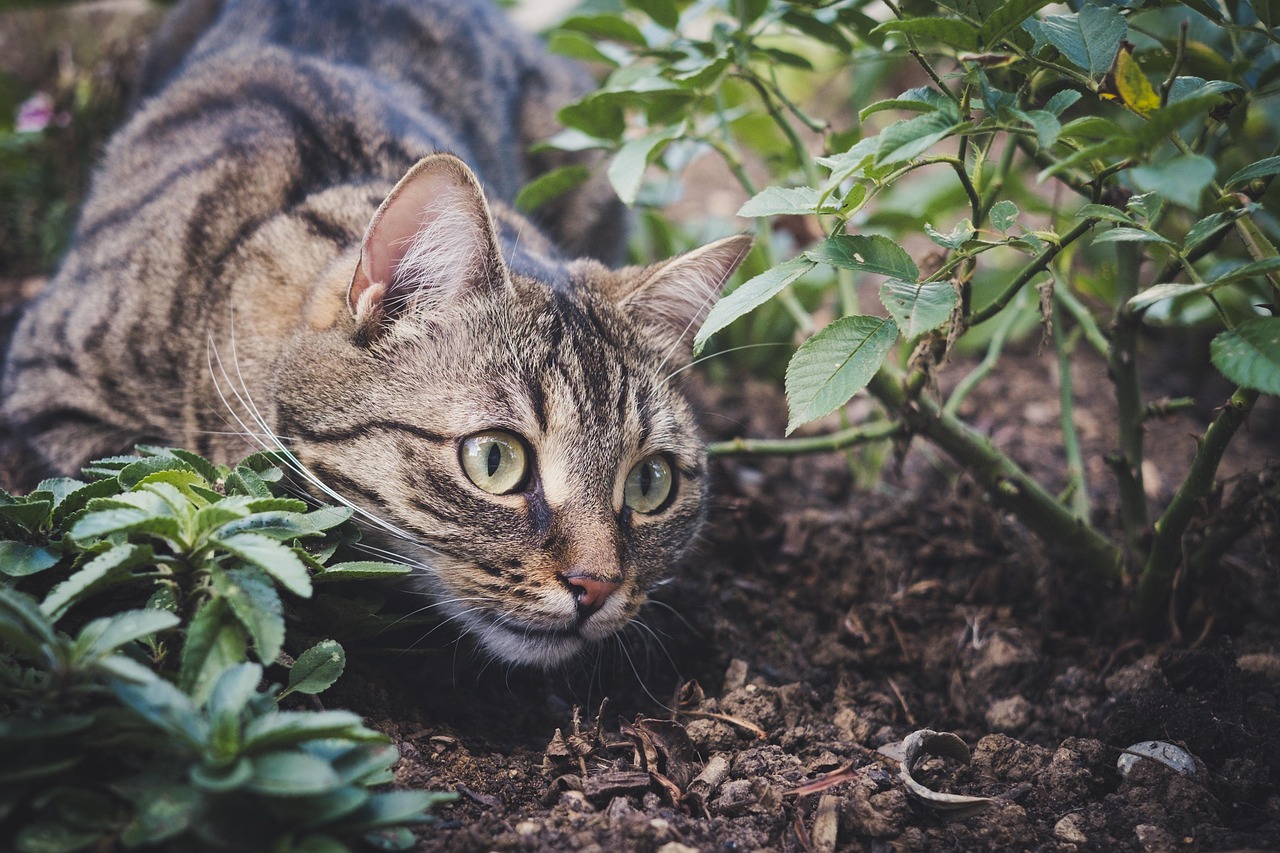

How to Cat-Proof Your Garden Against Toxic Plants
When you have a cat, making your garden safe is a top priority. Many beautiful plants can be toxic to felines, causing health problems, and in some cases, can be fatal. Start by identifying which plants are considered dangerous. Common toxic plants include lilies, azaleas, oleander, and even poinsettias. These plants can cause severe gastrointestinal upset or worse if ingested. It’s crucial to take their toxicity seriously and promptly remove them from your garden. Begin by researching online or consulting veterinary resources about these plants. Look for a comprehensive list of toxic plants for cats. Additionally, keep in mind that cats are naturally curious and may attempt to nibble on plants that smell nice. An excellent proactive approach to cat-proofing your garden is installing barriers such as fences or planting non-toxic vegetation. If you’re unsure about a plant’s toxicity, it’s best to consult your vet or another expert in the field. The health of your beloved feline companion should always be your number one priority, so make informed decisions regarding what you cultivate at home.
Once you have a grasp of which plants are toxic, it’s also vital to ensure your alternatives are safe. Non-toxic plants such as catnip, rosemary, and spider plants can enrich the garden experience without posing risks. When planting, consider opting for a variety of textures and heights to create an engaging environment for your cat. Plants can provide stimulation and can keep them entertained. Moreover, make sure to place your choice of these safe plants in areas that are both accessible and appealing to your feline friend. They should be allowed to explore their garden freely, but without the risk of harming themselves. Regularly maintain your garden to ensure that no toxic plants are creeping in. Perform monthly checks to identify any unwanted growth from weeds or seeds that could pose a danger. Your diligence in this maintenance will prove essential. Furthermore, it may be beneficial to implement certain deterrents to keep cats from venturing into unsafe zones. Sprinkling citrus peels or using vinegar can often repel them from dangerous areas. This is an organic way to safeguard their health.
Deterring Cats from Toxic Areas
In addition to ensuring that your garden consists solely of non-toxic plants, configuring your garden layout can effectively deter your cat from wandering into harmful areas. You can create designated zones where only safe plants reside and control access to other areas. Raised beds can be used to keep poisonous plants out of reach, while decorative stones or gravel can form a barrier around dangerous spots. Cats are creatures of habit, so placing safe plants strategically at ground level can encourage them to stay away from treats that could harm them. Additionally, consider landscaping with rough stones, thorny bushes, or other natural deterrents. These measures act as a physical barrier, encouraging your cat to avoid dangerous grasses and flowers. Nevertheless, it’s equally important to ensure that they have a comfortable space in the garden, such as shaded spots for relaxing. Monitoring your cat’s behavior helps determine how effective these strategies are. Furthermore, creating a safe haven for your feline companions in your garden can encourage them to explore without fear, increasing their overall happiness and wellbeing.
Regularly observing your cat’s behavior can provide insight into how your garden setup is working. If your cat seems drawn towards areas with toxic plants, it might signify the need for further measures. Sometimes, affixing physical barriers may also help. Enclosures can create a safe haven where only you control access to specific garden areas. You can fence in not only the flower beds but also the surrounding space to keep your furry friend safe. Short fences or decorative trellises can be both functional and aesthetically pleasing. It provides your garden with a defined look while ensuring that the cats don’t wander near toxic areas. Besides physical barriers, consider distractions like cat trees or tunnels within designated safe zones. These additions can encourage healthy play and exploration away from potential dangers. Science indicates that environmental enrichment is vital for cats, and a cat-proofed garden with carefully curated stimuli will keep them healthy, happy, and risk-free. Likewise, arrange your garden in such a manner that they have a clear path to follow without leading them near hazardous plants.
Educate Yourself and Your Family
Educating yourself about toxic plants is only half the battle; you should also share this information with family and visitors. Ensure that everyone understands which plants pose a risk, especially children who might more readily reach for those shiny leaves. Consider keeping a list of harmful plants in an accessible location. You can post it on your refrigerator or store it in a visible online shared document. This ensures that all household members are aware and can help monitor the garden’s safety. Dialogue about the importance of avoiding these plants will foster a collaborative environment focused on pet safety. Moreover, take it a step further by discussing safe alternatives. Helping others to recognize safe plants not only enriches their knowledge but also broadens potential landscaping opportunities. It’s just as important that guests are aware, especially if they bring their own cats over. Remind them to be cautious and not let their pets indoors without supervision. Being proactive ensures that the cat-proof efforts in your garden are respected and upheld by everyone.
Lastly, keep in mind that being vigilant is a continuous process. You won’t completely eliminate the risk of toxic plants returning, so ongoing checks around your garden are necessary. Regular monitoring involves checking the health of your plants, removing any overgrowth of hazardous weeds, and being mindful of seasonal changes. Wildlife and plant growth can surprise you, and they can easily introduce new risks to your garden space. Especially in spring and summer when nature blooms, be prepared to scout around frequently. Stay informed about local plants, especially if you live near natural green spaces, as unwanted seeds might find their way into your garden. Training your eye to recognize these growing threats will safeguard your cat. Additionally, continually educate yourself on better gardening practices for pet owners. Explore online forums, pet health websites, and even community gardens. The more information and real-world knowledge you gather, the better equipped you will be. In the end, your proactive measures combined with diligence and education can create a sanctuary that is both beautiful and safe for your kitty.
Conclusion: Ensuring a Safe Garden for Your Feline
In conclusion, creating a cat-proof garden against toxic plants is essential for the well-being of your cat. It’s a vital responsibility that requires attention and care. An informed approach regarding poisonous plants should guide your choices in landscaping. Creating safe zones, utilizing deterrents, and continuously educating yourself can build the perfect habitat for your feline companions. Implement these practices diligently to cultivate a serene garden where both you and your cat can thrive. Enjoying your outdoor space should come with peace of mind knowing that your beloved fur baby is safe. By prioritizing your cat’s health, you are ensuring their happiness and prolonged life. It may take time and effort to make changes, but the rewards of a safe gardening environment are immeasurable. Your success is achievable through fundamental principles combined with diligent action. You can allow your cat the freedom of exploring their garden while minimizing risks. Keep in mind that every effort counts, ensuring a vibrant yet safe outdoor experience. Protecting your feline friend and enhancing your gardening experience is as rewarding as it is necessary.