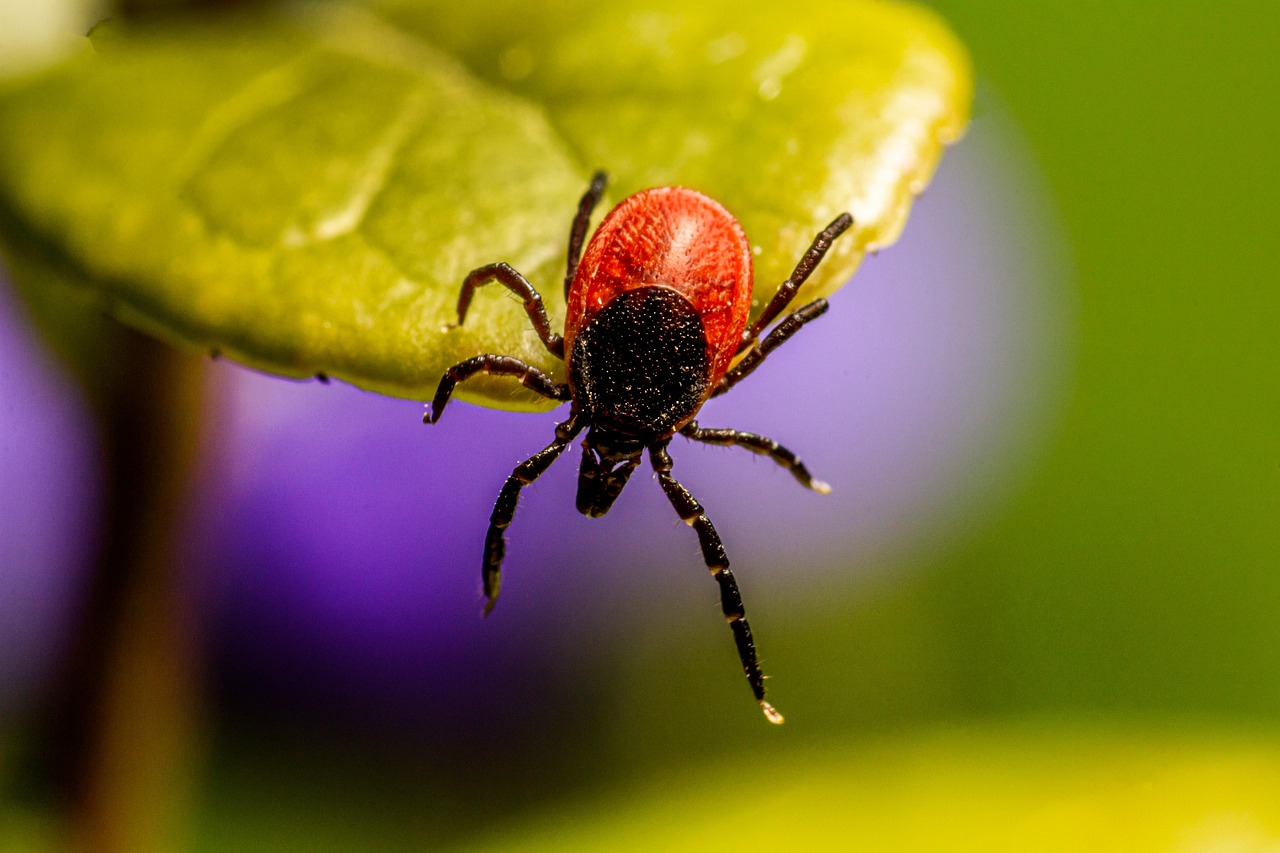

Avoiding Tick Infestations in Multi-Dog Households
Tick infestations pose a serious risk to the health of your dogs, especially in multi-dog households. These parasites can transmit various diseases, some of which have severe consequences. Understanding how to prevent ticks is critical. Regular grooming is beneficial in tick management. Use a fine-toothed comb to inspect your dogs and remove any ticks you may find. Additionally, keeping your yard tidy can significantly reduce the likelihood of tick infestations. Focus on reducing tall grass, brush, and leaf litter accumulation where ticks thrive. Implementing a routine check after walks in wooded areas or fields is essential. Make sure to examine all dogs thoroughly, as they might carry ticks unnoticed. Regular veterinary check-ups are essential for tick prevention strategies. Discuss with your veterinarian suitable preventive products that are safe for use in multiple pets. Always monitor for any signs of sickness in your dogs. Symptoms such as fatigue, loss of appetite, or fever may indicate tick-borne illnesses. If any of these signs appear, consult your veterinarian immediately for appropriate actions. Act proactively, maintain vigilance, and ensure proper pet care to keep your canine companions healthy.
Different tick prevention products are available on the market, catering to various needs. Consult your veterinarian before selecting a product that is suitable for all your dogs. Topical treatments and oral medications are common choices, but their effectiveness can vary based on dog size and age. When applying topical treatments, ensure that each dog is treated separately. Some products may not be compatible with other treatments, leading to adverse reactions. Always ensure you follow the manufacturer’s guidelines for application carefully. Regularly cleaning your home and dog’s bedding can also minimize ticks entering your environment. Vacuum thoroughly, especially in areas frequented by your pets. Dispose of the vacuum bag immediately outdoors. Regular washing of your dog’s bedding reduces the possibility of ticks surviving in household environments. Besides treating your dogs and your home, consider using yard treatments. Certain pesticides can help repel ticks from your backyard but should be applied with caution. Ensure that any chemicals used are safe for pets and humans. Research organic options that could provide a natural way of dealing with ticks while minimizing harmful impacts on the ecosystem. Overall, it’s about creating a sustainable environment for your pets.
Understanding Tick Behavior
To effectively combat tick infestations, it’s important to understand tick behavior. These parasites thrive in specific environments and conditions. Ticks are primarily found in wooded areas, tall grasses, and shrubs, where they wait for a host to pass. They are most active during warmer months, particularly in spring and summer. Understanding their life cycle can aid in prevention strategies. Ticks go through four life stages: egg, larva, nymph, and adult. Each stage has its own habitat preferences and hosts. Adult ticks often seek larger mammals, such as dogs, to feed and reproduce. Therefore, keeping your yard clean is crucial in reducing tick habitats. Additionally, special attention should be directed towards areas where your dogs tend to play. Consider enclosing your yard with a fence to keep rodents, which may carry ticks, from entering your space. If you take your dogs for walks in nature, limit their movement to trails and avoid letting them roam off-leash in high-risk areas. Practicing safe walking habits will minimize exposure and keep your dogs safer from ticks. Implementing these strategies requires vigilance, but the health of your pets is worth the effort.
In some cases, while prevention is crucial, knowing how to efficiently remove ticks when found is equally important. If you spot a tick on your dog, acting quickly can help prevent potential health issues. Using a pair of fine-tipped tweezers, grasp the tick as close to the skin’s surface as possible. Pull upward steadily and firmly without twisting, ensuring you remove the tick’s head entirely. After removal, clean the bite area with rubbing alcohol or soap and water. It’s important to monitor the site on your dog for signs of infection or irritation. Additionally, keep an eye on your dog’s health following a tick bite. Symptoms of a tick-borne disease may not appear immediately. If your dog seems lethargic, develops a rash, or exhibits changes in appetite, contact your veterinarian immediately. Document the date of the removal, as this information can be vital during veterinary consultations. Educate yourself about which tick-borne diseases are prevalent in your region; being informed can aid in quicker diagnosis and treatment if necessary. Always stay proactive in addressing ticks to ensure your dog’s well-being and health.
Community Awareness and Education
In multi-dog households, fostering an environment of community awareness can significantly help in tick prevention. Engaging with your neighborhood pet owners can expand knowledge about tick control measures. Sharing experiences and prevention practices can help everyone stay informed. Organize local meetings or share information through social media pages dedicated to pet ownership. Discuss the preventive measures you’ve implemented successfully. Creating a community flyer or online group can facilitate this exchange of information. Connecting with local veterinarians to host educational workshops can provide insights into tick prevention strategies. These events can teach dog owners how to check their pets effectively and the best tick removal techniques. Additionally, ensuring that your community understands the urgency of regular veterinary check-ups can ensure healthier pets overall. Each pet owner in your area plays a vital role in controlling tick populations. When more owners take responsibility for their pets’ tick prevention, the entire community benefits. Community engagement can lead to a more extensive understanding of tick behavior and help reduce tick populations in shared environments. By joining forces, we create safer spaces for our beloved pets in the fight against ticks.
Consider using natural repellents and holistic solutions around your home for tick prevention. Some essential oils, such as eucalyptus and lavender, have shown effectiveness in repelling ticks. Adding them to a diffuser or using them in sprays can help protect your environment. However, be cautious with essential oils, as some can be toxic to pets. Always check the safety of the oils before using them in your home or even around your dogs. Another natural option is to introduce beneficial nematodes into your yard. These microscopic worms can help eliminate ticks and other pests without harming your pets. Additionally, landscaping can play a significant role. Creating a barrier with gravel or wood chips around your perimeter can help reduce tick migration from wooded areas. Planting tick-repelling flora, like rosemary and sage, can also create a less attractive environment for ticks. Combining these holistic approaches with traditional methods can provide comprehensive protection for your dogs. Always evaluate the effectiveness of natural solutions and adjust strategies as required. Regularly engage in cleaning and examining your environment to maintain a tick-free zone for your furry friends.
Conclusion: Keeping Dogs Safe
Maintaining your dogs’ health in multi-dog households requires diligence and proactive measures concerning tick prevention. The impact of ticks cannot be underestimated, and awareness is the first step toward effective management. Regular grooming, vet check-ups, and community engagement are cornerstones of a solid prevention strategy. Each owner needs to take tangible action by utilizing various products tailored to their pets’ unique needs. Regular home maintenance and yard clean-up can significantly reduce tick habitats while also preventing re-infestations. Engage in educational efforts, not just for yourself but for your community, to keep everyone informed and proactive. Effective tick control is a shared responsibility and can be achieved through collaboration. Incorporate natural solutions into your overall plan while still relying on established treatments recommended by professionals. Focus not just on prevention, but also on education regarding tick removal and symptoms of tick-borne diseases. Lastly, remember that consistent monitoring and check-ups are essential in ensuring your dogs remain healthy. Through diligence and a community approach, we can safeguard our canine companions against harmful ticks and their associated risks.
In summary, keeping your dogs safe in multi-dog households is essential. Understanding and implementing various tick prevention strategies creates a healthier environment for your pets. Stay vigilant, informed, and proactive to help protect your furry companions from these dangerous parasites. Actively engaging with your community fosters better awareness, and ultimately helps keep pets healthier.