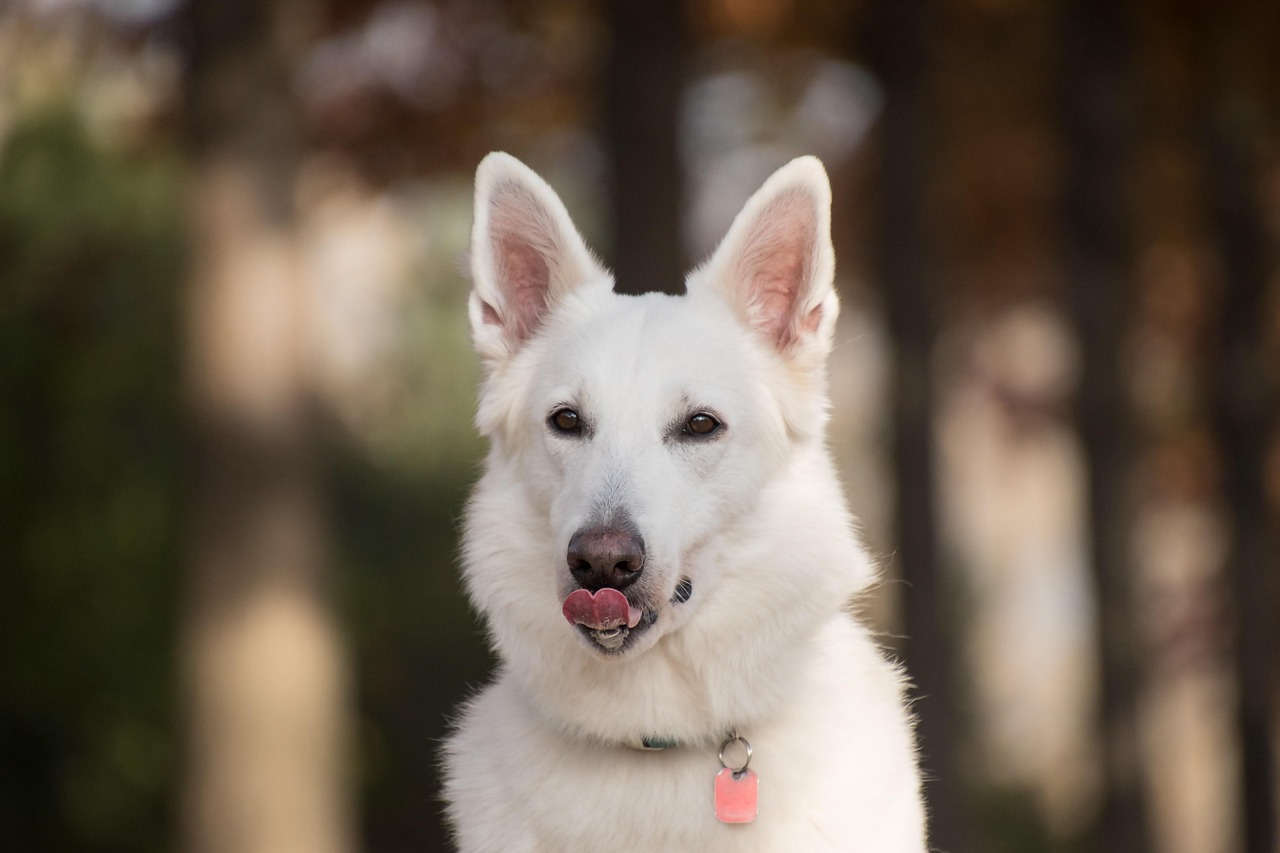

Tips to Manage Your Dog’s Licking Anxiety
Understanding your dog’s licking behavior is essential in addressing the underlying issues causing it. Many dogs lick excessively due to anxiety or boredom. It can often stem from various triggers, such as separation anxiety, excitement, or even health issues. Observing your dog’s licking habits will help you identify signs of stress or discomfort. Keeping a diary of when and where the licking occurs may uncover certain patterns, assisting in determining the cause. Regular exercise is crucial in managing anxiety. A tired dog is less likely to engage in destructive behaviors, including excessive licking. You can engage in various activities, such as playing fetch, tug-of-war, or even participating in dog agility classes. Furthermore, mental stimulation through puzzle toys or training sessions can help reduce anxiety-related licking. Be sure to provide a consistent routine, as dogs often find comfort in predictability. Gradually introduce them to new situations, allowing them to adjust comfortably. Providing a safe, calm environment can significantly contribute to alleviating anxiety. Comfort measures, such as a cozy bed or soothing music, may also help in making your dog feel secure.
This marked the importance of patience and consistent training to curb licking behavior. Positive reinforcement techniques are great tools for discouraging unwanted licking. Whenever your dog refrains from licking, reward them with treats or praise. This will reinforce that calm behavior is rewarded, helping shift their focus away from licking. In some cases, excessive licking may indicate allergies or skin conditions. It’s essential to consult your veterinarian to rule out any medical issues if you notice persistent licking. They can provide advice tailored to your dog’s specific needs. Another important aspect of managing licking anxiety is to identify potential triggers. Is your dog licking when visitors arrive or during thunderstorms? Understanding their stressors allows you to prepare and counteract their anxiety proactively. Sometimes, simple distractions can help divert their attention during stressful times. From toys to training exercises, having a readily available distraction plan can enhance your dog’s coping mechanisms. Ensure your dog has access to stimulating toys that can occupy their time while you are away or away from them. Investing time and effort into understanding your dog’s behavior will ultimately foster a stronger bond.
Implementing Calming Strategies
Providing calming aids can also play a crucial role in managing your dog’s licking behavior. Numerous products are available in the market, including calming collars, sprays, or supplements that may help reduce anxiety during stressful situations. These products contain natural ingredients designed to soothe and relax your pet, allowing them to feel more at ease. Moreover, consider creating a quiet area in your home where your dog can retreat during stressful moments. This zone should be dedicated solely to your pet, filled with their favorite blankets, toys, and perhaps some calming scents. Dogs often feel secure in spaces that are familiar and comforting, leading to reduced anxiety and less licking. Training your pet to use this space can be beneficial when they start feeling overwhelmed. Additionally, consider incorporating regular massage sessions into your dog’s routine. Physical touch can significantly diminish anxiety and provide a soothing experience for your furry friend, also nurturing your bond with them. These sessions offer not just relaxation but also a moment for you to assess any changes in their skin or body that may need addressing. Your attentive care will reinforce your dog’s sense of security.
It’s also helpful to educate yourself about dog body language to better interpret your pet’s feelings. Recognizing signs of stress can help you take timely action to alleviate anxiety. For instance, yawning, lip licking, and shifting body weight could signal nervousness in dogs. If you notice these signs, attempt to redirect their focus before they begin licking. Establishing a calm environment both at home and in public can significantly help in reducing licking. During outings, be mindful of your dog’s comfort levels. If they’re becoming agitated due to noise or crowds, seek quieter spaces or take breaks. Consistency is key when addressing licking behaviors. Over time, dogs learn what to expect, helping to reduce their anxiety when confronted with potential stressors. Continually assess your dog’s behavior throughout training and make adjustments as needed. Furthermore, professional training or behavioral consultation can be invaluable if your attempts don’t yield significant improvement. Experts can provide personalized strategies to address your dog’s specific needs. Managing licking anxiety often requires a multi-faceted approach, combining training, environmental changes, and humane calming products.
When to Seek Professional Help
If you find that your dog’s licking behavior persists despite your best efforts, don’t hesitate to seek professional help from a certified animal behaviorist or trainer. A professional can help diagnose potential underlying conditions contributing to the problem, ensuring you approach the situation correctly. They can also provide valuable insights on methods tailored specifically to your dog’s personality and preferences. It’s essential to address anxiety issues early, as chronic anxiety can lead to additional behavioral problems over time. Engaging with experts will equip you with further strategies to modify your dog’s licking behavior effectively. Also, be aware that medications may be necessary in some cases to help alleviate severe anxiety. Always consult your veterinarian before starting any new treatments or medications. They can evaluate the potential benefits and side effects based on your dog’s health history. Managing your dog’s licking anxiety requires dedication, understanding, and a willingness to adapt your strategies as needed. By observably committing to this process, you can help your dog live a more balanced and comfortable life. Over time, your efforts will not only benefit their well-being but will also enrich your relationship.
Finally, remember that patience is vital throughout the journey of managing licking behavior. Every dog is unique, and behavioral changes may take a while. Celebrate small victories as your dog shows improvement and gradually develops new coping skills. Regular check-ins with a vet will assure your dog’s health and ensure all aspects of their well-being are being met appropriately. Engage in conversations with fellow dog owners to share experiences and gather advice that may have worked for them. Each step you take towards understanding your dog’s behavior enhances the bond between you and your furry friend. By remaining observant and responsive, the foundation of trust will strengthen over time. Implementing a diverse strategy that includes training, calming products, and environmental adjustments can yield positive results in managing your dog’s licking anxiety. Remember to be adaptable; what works for one dog may not work for another. Every dog is an individual with distinct needs and preferences. Keep refining your approaches, maintaining an open line for communication with your dog, and assessing how they respond over time. You’ll cultivate a healthier atmosphere for both of you in the process.
Conclusion and Final Thoughts
In conclusion, managing your dog’s licking anxiety is an ongoing process that requires understanding, patience, and dedication. By utilizing the strategies outlined in this article, you can create a more calming environment for your dog, adjusting your actions as necessary to cater to their evolving needs. Remember to pay close attention to your pet’s body language and behavioral patterns, ensuring that you remain proactive in addressing any signs of stress or discomfort. If necessary, don’t hesitate to reach out for professional help to provide expert guidance in managing these issues. The sooner you take action, the better the outcomes will be for both you and your dog. Incorporating regular physical activity, mental stimulation, and available calming aids into your dog’s routine emphasizes their emotional and psychological well-being. The integration of these practices can promote healthier behaviors in your pet over time, reducing anxiety-related issues, and further augmenting the bond between pet and owner. As you navigate through the phases of change, every effort you make contributes significantly to your dog’s overall happiness. Your love and understanding are instrumental in guiding your furry friend towards a more relaxed, fulfilling life.
Your journey towards managing your dog’s licking anxiety is a reflection of your commitment to their happiness and well-being. By consistently applying various techniques and strategies, you’re not just addressing the licking itself, but also nurturing a relationship built on trust and understanding. Caring for a pet encompasses being vigilant, adaptable, and educated on behavioral patterns. So, make it a point to enjoy the process together as you navigate the challenges. Your dog will appreciate your effort, and the bond you share will grow stronger with every small step you take. With love, patience, and understanding, you’re well on your way to helping reduce your dog’s anxiety and promote an atmosphere of calmness. Remember that every pet reacts differently, and your unique approach is what will ultimately drive improvement. Make sure to keep up your routine and remain consistent in your approach. A little persistence goes a long way in facilitating a healthier and happier environment for your furry companion. With determination and effort, the path toward overcoming licking anxiety will pave the way for a more relaxed and joyful presence in your dog’s life.