
Signs Your Cat is Struggling Emotionally After Surgery
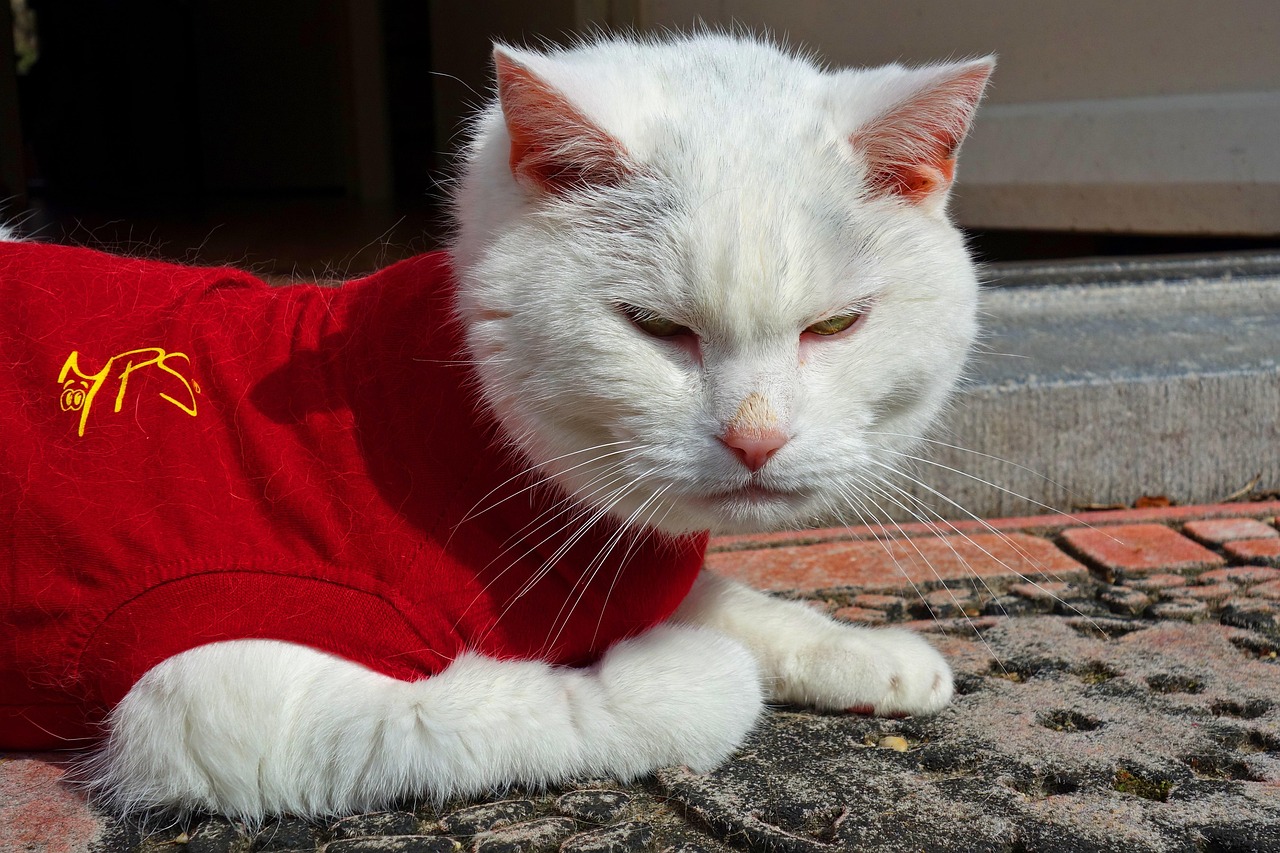
Following surgery, cats often exhibit noticeable emotional changes that caregivers should closely monitor. One primary sign is a decrease in interaction. If your previously sociable cat begins hiding or avoiding your company, it could be an important indicator of emotional distress. Another significant behavioral change includes an alteration in grooming habits. Cats are typically fastidious creatures; if your cat suddenly neglects grooming, this can signify stress or discomfort. Additionally, keep an eye on their eating habits. Reduced appetite or sudden weight changes can result from emotional turmoil, highlighting the need for attention. Lethargy is another warning sign; if your cat is unusually inactive or disinterested in play, it may be a cause for concern. Your cat might also vocalize differently post-surgery, expressing discomfort through excessive meowing or unusual sounds. Observe their litter box habits; inappropriate elimination can indicate anxiety. Last, respond to their body language, as tail position and ear orientation reflect emotional states. Understanding these signs can help you provide the care your cat needs during recovery and enhance the healing process, fostering their overall wellness and emotional health.
Emotional support following surgery is equally crucial as physical care. Cats thrive on routine and familiarity. Post-surgery, any disruption may exacerbate anxiety or stress. To facilitate emotional recovery, maintain a comforting environment. This includes providing safe spaces where your cat feels secure, like a favorite bed or secluded area. Don’t forget about their favorite toys or blankets, as these familiar scents can provide comfort. Introducing soothing pheromone diffusers can also help alleviate anxiety. These products can create a calming atmosphere and encourage relaxation, supporting your cat’s emotional well-being. Furthermore, consider gentle, encouraging interaction to rebuild trust. Cat cuddle time or quiet sitting near them can help them feel less isolated. It’s essential to be patient; providing gradual adjustments to their routine can minimize stress. Observe their reactions and adjust accordingly. Offer your cat their favorite treat or engage them with interactive play once they seem more comfortable post-surgery. Encouragement can foster better emotional recovery, enabling your cat to heal both physically and mentally. Your presence and attentiveness can hasten this healing journey and provide the assurance your cat needs during a vulnerable time.
Identifying symptoms of anxiety in cats can be complex. Aside from changes in behavior, watch for specific indicators that may suggest emotional struggles. Urinating outside their litter box is often a clear sign that your cat is experiencing anxiety. This could also relate to their recent surgical experience. Observe their physical cues closely, as a cat’s body language conveys much. For instance, a tucked tail or flattened ears indicates stress and discomfort. Likewise, excessive grooming or a change in vocalization can signify unhappiness. If your cat begins to hiss or swat unexpectedly at people or other pets, this can also indicate emotional turmoil. Clinginess might appear—cats looking for constant physical affirmation show they feel insecure. Your cat may also appear to avoid eye contact, which suggests they feel uncomfortable in their environment. It’s important to conduct regular assessments of your cat’s emotional state, particularly post-surgery when their mental health might be fragile. Being proactive can help in effectively managing their discomfort or anxiety and adjusting to the new post-surgery lifestyle that accommodates their needs.
Utilizing Positive Reinforcement
Using positive reinforcement can significantly aid in supporting your cat’s emotional recovery. This technique calls for rewarding desired behaviors rather than punishing unwanted ones. Doing so encourages them to associate positive actions with good experiences, thus reducing anxiety. Introduce treats or affection when your cat engages in activities they enjoy, such as coming out to play or eat. Consistency is key, so make sure to reward them every time they display such behavior, reinforcing their security and comfort at home. Encouragement can also be expressed through verbal praise and gentle petting. This nurturing approach enables your cat to feel validated and encourages them not to retreat into isolation. Another aspect of positive reinforcement includes slowly reintroducing them to their usual environment. Gradually integrating experiences that mimic their pre-surgery routines can help build assurance. Whether reintroducing them to fellow pets or allowing access to favorite spots, remember to progress at their pace. The goal is to help them regain confidence in their surroundings without overwhelming them. By utilizing positive reinforcement, you foster an environment where emotional healing can truly flourish.
Social engagement is a pivotal component for an emotional recovery post-surgery. Interaction with other pets may offer a comforting presence, particularly for cats that are accustomed to companionship. If your cat interacts well with other pets, allowing gentle interaction can alleviate feelings of loneliness. Keep a watchful eye on their dynamic; discourage any negative encounters that could escalate anxiety. However, some cats prefer solitude, and that’s equally valid. Respecting their choice solidifies their confidence in you as a caregiver, showing them their preferences are understood. Moreover, allowing petting sessions on their terms lets them seize control over social situations. Where applicable, consider implementing a calm routine that includes social engagement, which structures their day positively. Allocate specific times for one-on-one play sessions, focusing on their favorite games to create positive associations. Use slow, encouraging techniques to build trust, reinforcing their connection with you during their recuperation. Ultimately, social engagement, whether with humans or other pets, is designed to enhance their sense of belonging, validating their feelings and ensuring they do not feel emotionally isolated during this challenging time.
Maintaining regular veterinary check-ups post-surgery will also provide reassurance and improve your cat’s emotional state. Frequent visits to their veterinarian for follow-up appointments ensure their physical recovery remains on track and alleviates underlying emotional issues. Being proactive enables detection of complications that may arise during their healing period; addressing these issues immediately can prevent added stress. When visiting the vet, provide comforts such as familiar blankets or toys. Additionally, recognizing your veterinarian’s advice and what to monitor at home is vital. If your cat appears to favor specific areas of their body or continues to exhibit signs of pain, report this promptly. Your findings can significantly aid the vet in determining the right course of action. Adequate pain management contributes directly to emotional recovery and can reduce anxiety levels. Establishing a good rapport with your veterinarian builds trust, allowing you to ask questions and engage in discussions about your cat’s emotional health. Remember to remain calm during these visits, as your demeanour greatly influences your cat’s emotional response. Regular check-ups, therefore, play a dual role in enhancing physical and emotional well-being.
Conclusion: Holistic Recovery Approach
Keeping a holistic approach in mind for your cat’s recovery ensures that every aspect of their well-being is prioritized. Alongside medical care, emotional support through understanding, engagement, and routine adjustments plays a vital role. Pay attention to behavioral changes, using techniques such as positive reinforcement to foster confidence. Enhance their emotional resilience by reconnecting with their social environment, whether with people or other pets. In addition, regular veterinary check-ups and open communication regarding their recovery needs can greatly aid in managing both physical and emotional components. Remember, the recovery process is unique for each cat, and it will require your patience and understanding. Taking these steps not only assists in recovering from surgery but also builds a stronger bond between you and your feline companion. Their trust in you as a caregiver grows with every step you take towards ensuring their comfort. Lastly, providing a loving and calming environment promotes healthier emotional health, allowing them to navigate their healing journey more successfully. By focusing on physical, emotional, and social elements, you effectively support your cat’s overall mental health in this critical period.
Your cat’s emotional well-being is important post-surgery. By addressing the various indicators of emotional struggles, you can effectively support their recovery process. Acknowledging changes in behavior, social engagement needs, and physical symptoms will create a solid foundation for a nurturing environment. Through patience and attentiveness, you’ll help your cat reintegrate back into their routine while prioritizing their mental health. Utilize the techniques shared in this article to foster their emotional recovery and create a comforting atmosphere for your feline friend. This approach will significantly contribute to your cat’s overall well-being and happiness.