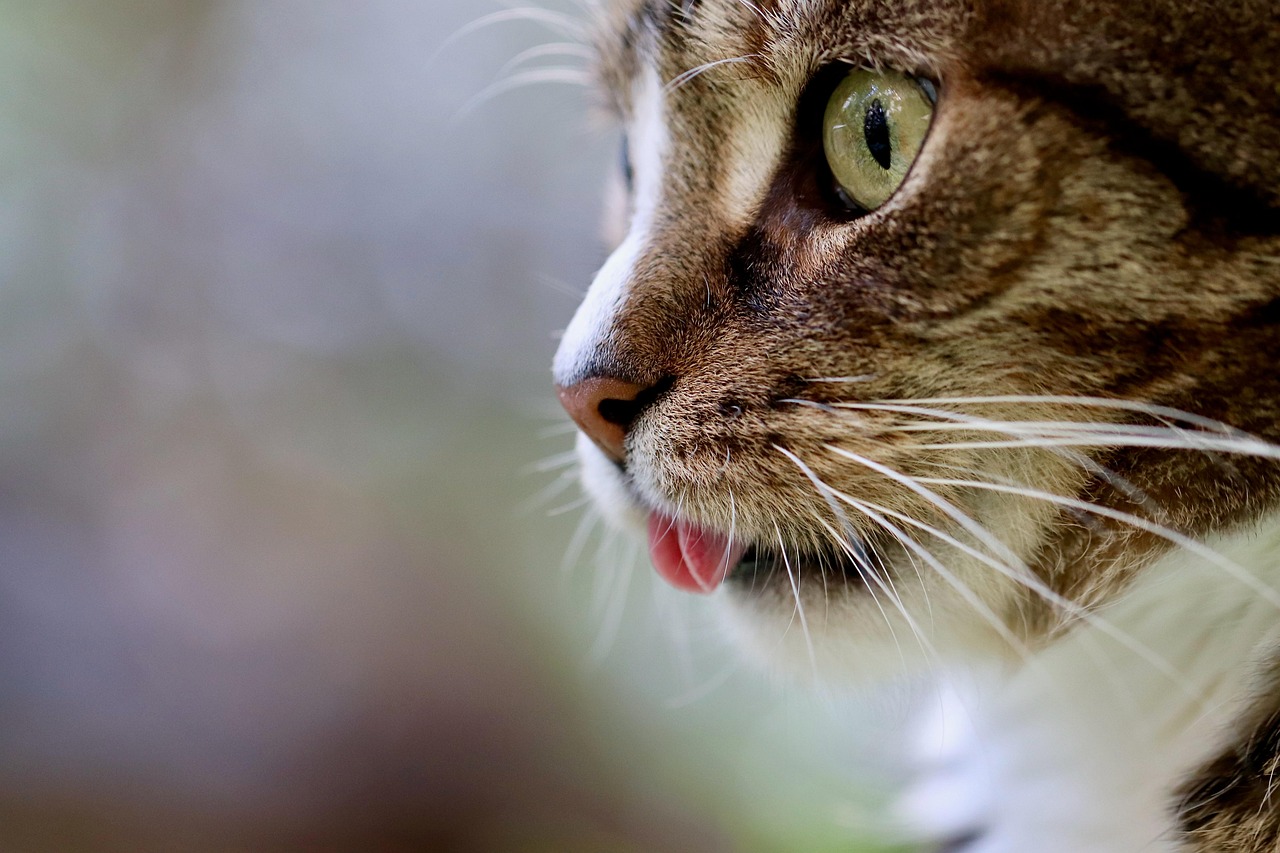

Why Vaccinating Your Cat is Essential for Their Health
Vaccinating your cat is an important component of their overall health care regimen. Vaccines work by stimulating the cat’s immune system to recognize and fight off specific diseases effectively. Common vaccinations protect cats against several infectious diseases such as feline panleukopenia, feline calicivirus, and feline herpesvirus. Beyond these, vaccines play a critical role in preventing rabies, a fatal condition that can also affect humans. Keeping your cat’s vaccinations up to date is essential to safeguard them from illnesses that could lead to serious health issues or even death. A healthy cat is happier and can live a longer life, minimizing stress for both the pet and its owner. Cat owners should work closely with their veterinarians to determine the appropriate vaccination schedule for their feline companions. This personalized approach ensures that each cat receives the right protection based on their lifestyle and environmental exposure. Regular check-ups, in addition to vaccinations, can detect potential health problems early on, allowing for prompt treatment before issues escalate. Educating yourself about the vaccines available will empower you to make informed decisions for your feline friend.
Cats have unique immune systems, and understanding their needs helps in choosing the right vaccinations. The *American Association of Feline Practitioners* categorizes vaccines into core and non-core vaccines. Core vaccines are recommended for all cats due to their risk of exposure to common diseases. These vaccines include those for feline distemper, a highly contagious viral disease, and feline leukemia, which can lead to various cancers. Non-core vaccines may be recommended based on a cat’s individual risks, such as lifestyle or location. For example, outdoor cats might require different vaccines than indoor ones. It’s crucial for cat owners to discuss these considerations with their veterinarians to tailor a vaccination plan. By maintaining a proactive approach, pet owners can significantly reduce the risk of serious illnesses in their cats. Vaccination not only protects their health but also safeguards other cats and animals in the community. In essence, vaccinating your cat is a vital step in responsible pet ownership, contributing to the well-being of the entire feline population. Understanding the reasons behind vaccinations underscores their value and necessity in modern cat care.
How Vaccines Work in Cats
The principle behind vaccinations is quite fascinating. Vaccines contain antigens that mimic disease-causing pathogens. When administered, these antigens activate the cat’s immune system without causing the disease. The immune system responds by producing specific antibodies that will recognize the pathogens if they ever attempt to invade the body in the future. This is akin to training the immune system to recognize and respond effectively to potential threats. The initial vaccination may require a booster shot to enhance immunity and ensure long-lasting protection. Then, periodic boosters are often necessary to maintain immunity over time. Timely vaccinations help cats stay healthy while helping to prevent the spread of contagious diseases within the feline population, which is particularly important in multi-cat households or shelters. As cats age or their health changes, their vaccination needs might also shift. Regular consultations with a veterinarian, including discussions of potential exposure risks, can help in updating vaccination protocols appropriately. Taking preventive measures like vaccinations is significantly beneficial, ensuring that cats can continue to explore their surroundings freely while minimizing health risks associated with disease.
In addition to standard vaccinations, there are various emerging vaccines that address specific health concerns in cats. For instance, vaccines targeting certain strains of feline calicivirus or even feline immunodeficiency virus are in development or have been introduced. Keeping abreast of these advancements is essential for cat owners who want to provide the most current treatments for their pets. Additionally, vaccinations contribute to herd immunity; when a significant percentage of the cat population is vaccinated, the spread of diseases is minimized, which indirectly protects unvaccinated cats, including those sensitive to vaccinations. It’s essential for cat owners to maintain a vaccination record, which includes details of when each vaccine was administered. This record is beneficial not only for ongoing veterinary care but can also come in handy should you need to board your cat or participate in shows. Moreover, some insurance companies may require proof of vaccinations for coverage. Therefore, being diligent with these records ensures smooth interactions with various pet services. Ultimately, vaccines, as proactive health measures, pave the way for healthier lives for both cats and the communities in which they live.
The Role of the Veterinarian
Veterinarians play an essential role in guiding cat owners through vaccination processes. They possess the expertise to evaluate a cat’s health, lifestyle, and risk factors that may influence vaccine choices. A thorough health assessment during regular visits ensures cats are fit to receive vaccines. From establishing initial vaccine schedules to addressing any reactions after vaccinations, veterinarians are crucial in ensuring the safety and efficacy of the vaccination process. Cat owners may have concerns or questions about side effects and timelines, and veterinarians are equipped to provide reassurance and factual answers. In certain cases, adjustments to the vaccination schedule may be recommended, particularly if a cat has a preexisting health condition. This personalized care not only fosters trust between pet and owner but also creates a supportive environment for the cat. The collaborative effort is heightened in multi-cat households where understanding the unique needs of each pet is paramount. Regular dialogues with a veterinarian ensure clarity in protocols, compliance with the recommended schedules, and overall health maintenance. Responsible pet ownership relies heavily on the knowledge and recommendations of veterinary professionals.
In summary, vaccinating your cat is a responsible, essential practice that significantly enhances their overall health and quality of life. Vaccines safeguard them against harmful diseases and infections while promoting public health within shared environments. This process begins with selecting the right vaccinations; core vaccines lay the groundwork for immunity while additional vaccines may be necessary based on lifestyle and health factors. Regular vet visits provide an opportunity to evaluate and adjust vaccination schedules as needed. Moreover, it’s vital to remain informed about ongoing developments in veterinary medicine. Staying engaged with recent breakthroughs ensures that cats receive the best available protection. Pet owners should also encompass a proactive healthcare strategy that includes not only vaccinations but also nutrition, regular exercise, and routine veterinary check-ups. By fostering this holistic approach, cat owners can be confident in their commitment to their feline companions’ health. Cats are an integral part of many families, and ensuring their health ensures joy in their lives. A fully vaccinated cat is equipped to lead a full, active life, providing love and companionship to their human families while remaining safe from easily preventable illnesses.
Conclusion
For cat owners, the responsibility of vaccination is part of nurturing a beloved pet into a healthy adult. Society benefits as well when pet owners practice regular vaccination schedules. Understanding vaccinations empowers cat owners to make informed decisions and build a robust health strategy alongside their veterinarians. The health of a cat is multi-faceted, relying on a combination of proper veterinary care and an understanding of vaccinations. Establishing open lines of communication with veterinary professionals enhances the pet owner experience, ensuring that each feline’s health roadmap is regularly tailored and adjusted. Vaccination should not just be a task on a checklist but understood as a significant health investment for their cats. By prioritizing this vital aspect of cat parenting, pet owners contribute to creating a more resilient, healthier feline population. As responsible citizens with pets, they also help protect community health, showcasing a commitment to animal welfare that resonates throughout. Investing time and resources into vaccinations translates to happier and healthier lives for cats, building lasting bonds between pets and their owners while promoting welfare.