
Understanding the Lifespan and Aging Process of Great Danes
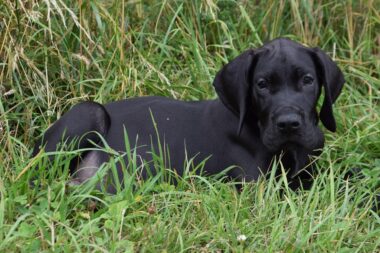
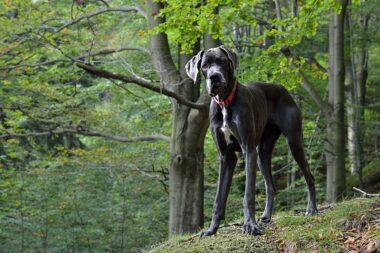
The Great Dane is a majestic breed, known for its impressive size and affectionate nature. Typically, Great Danes have an average lifespan of 7 to 10 years, which is shorter than that of many dog breeds. This shorter life expectancy can be attributed to several factors including their size, genetics, and health predispositions. As large breed dogs, they often face health issues such as hip dysplasia and certain types of heart disease. Regular veterinary check-ups can help catch illnesses early and improve their quality of life. Providing a balanced diet and regular exercise is vital for maintaining their health throughout their lives. Understanding their aging process is key to providing them with the best possible care. Senior Great Danes may require specific dietary adjustments and exercise modifications to accommodate their changing bodies. For dedicated owners, being aware of common age-related health concerns can lead to a happier and healthier canine companion. In this comprehensive guide, we’ll explore important aspects of aging in Great Danes.
Common Health Issues in Aging Great Danes
As Great Danes age, they become more susceptible to various health issues. Some common problems include arthritis, heart conditions, and bloat. Arthritis can significantly impact their mobility, making it important to monitor their weight and ensure they receive appropriate exercise. Heart disease is another concern for aging Great Danes; regular veterinary exams should include routine heart checks to identify any potential heart issues early. Bloat, or gastric torsion, happens in large dogs like Great Danes and can be life-threatening. It’s essential to feed them smaller meals throughout the day instead of one large meal to reduce the risk of this condition. Owners should also be vigilant for signs of discomfort or unusual behavior, as these may indicate underlying health problems. Besides these physical health concerns, it’s also crucial to consider their mental health. Cognitive decline is a common issue in aging dogs, and providing mental stimulation can help keep their minds sharp. Activities such as puzzle toys or training exercises can be beneficial.
Monitoring their weight is particularly crucial for Great Danes, as obesity can exacerbate many health problems. Keeping them within a healthy weight range helps prevent joint stress and adds years to their life. It is also vital to tailor their exercise routine according to their age. While young Great Danes need vigorous activities, older dogs may require gentler walks or play sessions. Ensuring they have comfortable resting areas is also important; as they age, they may struggle with getting up and lying down. Regular grooming is another aspect that supports their health and fosters bonding. A well-groomed dog is less prone to skin problems and can feel more comfortable in its skin. Additionally, maintaining dental hygiene is crucial, as dental diseases can lead to systemic health problems. Choosing the right food formulated for large breeds can also make a significant difference in their longevity. Always consult with your veterinarian for dietary recommendations tailored to your individual dog. Regular health evaluations and preventive care are key strategies to help extend the lives of Great Danes.
Pain Management and Comfort
Pain management becomes increasingly important for aging Great Danes, especially those suffering from arthritis or other chronic conditions. Medications prescribed by veterinarians can help to alleviate pain and improve mobility. Non-steroidal anti-inflammatory drugs (NSAIDs) are often used for this purpose but should only be administered under veterinary supervision. Furthermore, supplements such as glucosamine and omega-3 fatty acids can support joint health. Alongside medications, physical therapy is a great option for enhancing mobility and decreasing discomfort. Regular gentle exercises, like swimming or walking on soft ground, can aid in maintaining their mobility. Providing a soft, well-padded bed will also help relieve pressure on their joints and offer them a comfortable place to rest. Heat therapy and massage can enhance their quality of life, providing a soothing way to alleviate pain. Importantly, continually observing their overall demeanor helps ensure their comfort isn’t overlooked. A happy, comfortable dog is more likely to enjoy being a part of family life, and attentive care can make a tremendous difference.
As Great Danes transition into their senior years, behavioral changes may also signal their aging process. Increased irritability, anxiety, or confusion might indicate cognitive decline or discomfort. Establishing a routine helps keep them grounded in their home environment, as predictability can reduce anxiety. Training sessions should be adapted to accommodate their physical capabilities while continuing to provide mental challenges. Stimulating toys and gentle training exercises can keep their minds engaged and delay cognitive decline. Owners should be prepared for the emotional aspects of aging, understanding that it can be a sensitive time for both the dog and the family. Providing a loving, stable environment enhances their overall well-being. Social interactions are essential, as isolation can worsen behavioral issues. Arranging play dates with other dogs or allowing visits from trusted friends can maintain their spirits. Furthermore, documenting their dietary preferences and activity levels will help track changes, enabling proactive adjustments to care. The more informed owners are about the aging process, the more equipped they will be to advocate for their senior Great Danes.
Creating a Senior-Friendly Environment
Transforming the living space for an aging Great Dane is essential for their comfort and safety. Simple modifications can make a big difference. Utilizing non-slip rugs can prevent falls when moving around the house, especially on slippery floors. Ensuring their sleeping area is comfortable and accessible is another vital consideration; raising the bed slightly can help them get in and out with ease. Keeping food and water bowls elevated can also reduce strain on their necks. Additionally, creating a designated area with their toys and resting spots allows them to move freely without fear of injury. Adjusting furniture layout ensures they can navigate easily throughout the space. Moreover, minimizing stairs or providing ramps can enhance their mobility as they age. Remember that senior Great Danes thrive on routine, so maintaining familiar scents and surroundings will provide comfort. Setting boundaries within the house can also help them understand where they can go and any areas they should avoid for safety reasons. All these strategies work towards improving their quality of life when they age.
Great Danes, like many breeds, can experience a range of emotions as they age. It’s important to provide plenty of love and attention to help them cope with changes in their lives. Spend quality time with your dog to strengthen your bond and provide emotional support. Engaging in low-impact play can keep their spirits high while accommodating their physical limits. Activities like gentle fetch or short walks can help maintain their happiness and fulfillment. Furthermore, involving them in family activities can strengthen their connection with loved ones, ensuring they feel included. Regular grooming sessions not only keep their coat healthy but also serve as a bonding time, making them feel relaxed. Always observe and adapt to their energy levels, as an aging Great Dane may prefer shorter, less intense play. Understanding these emotional needs allows dog owners to cater to both the physical and mental well-being of their Great Danes. All these efforts contribute to a loving atmosphere, essential for a happy dog during its golden years. Ultimately, attentive care and love can enhance their quality of life significantly.
End-of-Life Considerations
Reaching the end of a Great Dane’s life can be challenging for any owner. Understanding the natural aging process can help prepare for this difficult transition. Spotting signs that it may be time to consider palliative care or even euthanasia is crucial for the well-being of the dog. Signs may include persistent discomfort, a lack of interest in food or activities they once loved, and difficulty in performing routine tasks. Every dog is different, and each situation should be evaluated individually. Discussing concerns with a veterinarian can provide valuable guidance during this time. They can help assess whether your Great Dane is suffering and recommend the appropriate actions. Providing comfort is key; this may involve creating a cozy environment and keeping interactions peaceful during their last days. Decisions about euthanasia should be made based on the dog’s health, comfort, and quality of life rather than solely on age. Ultimately, ensuring your Great Dane’s final days are filled with love and comfort is a great gift. Always remember the joy they brought into your life.